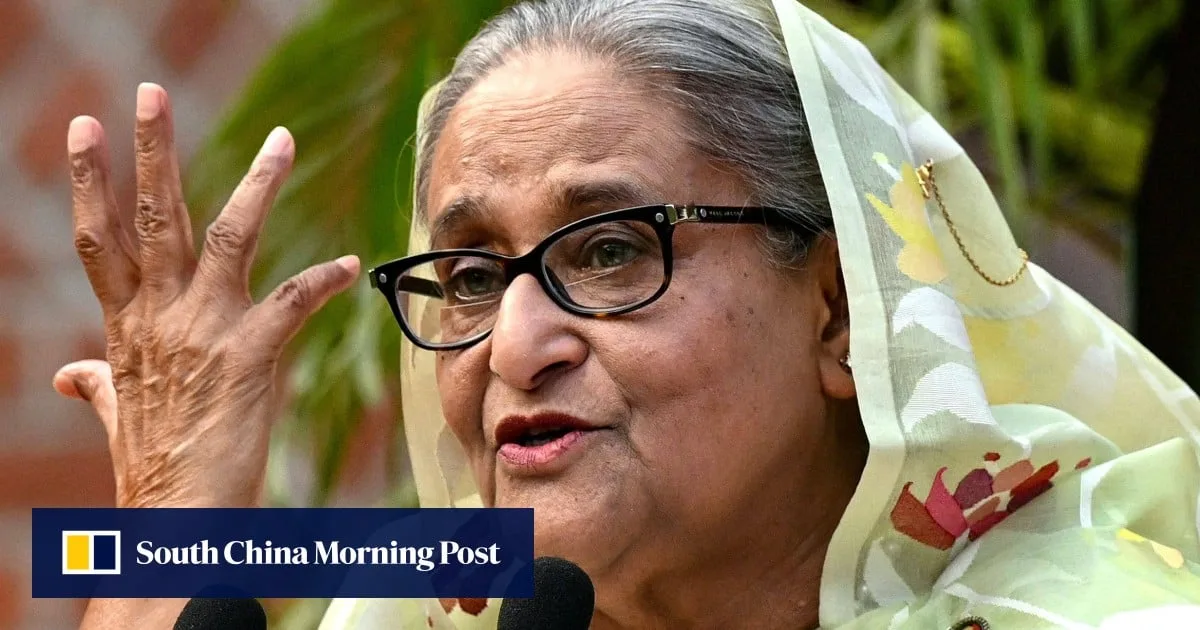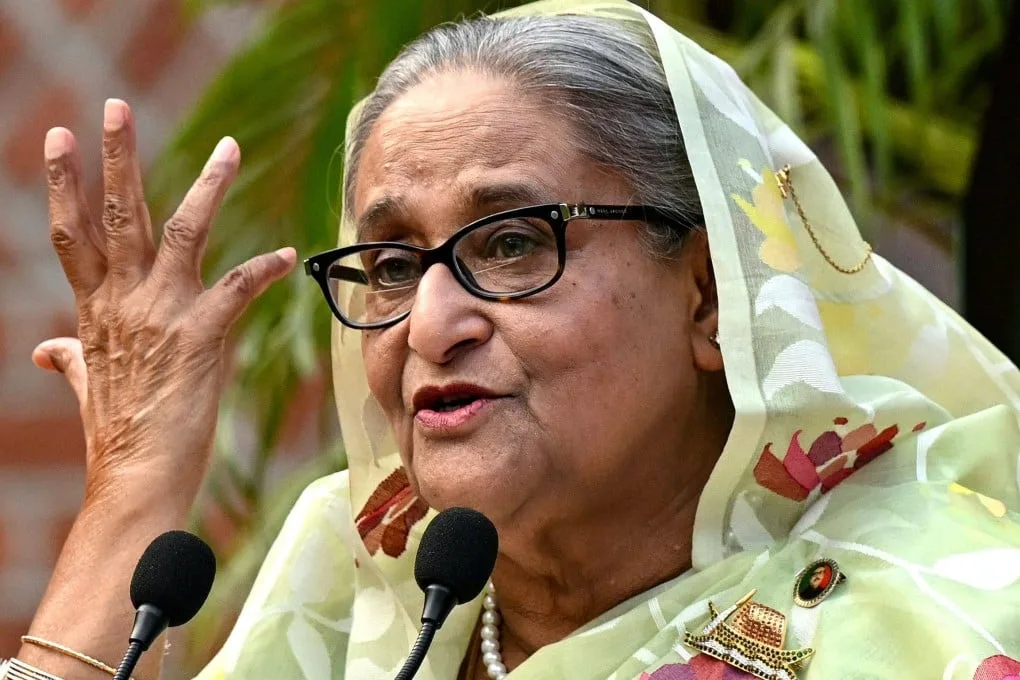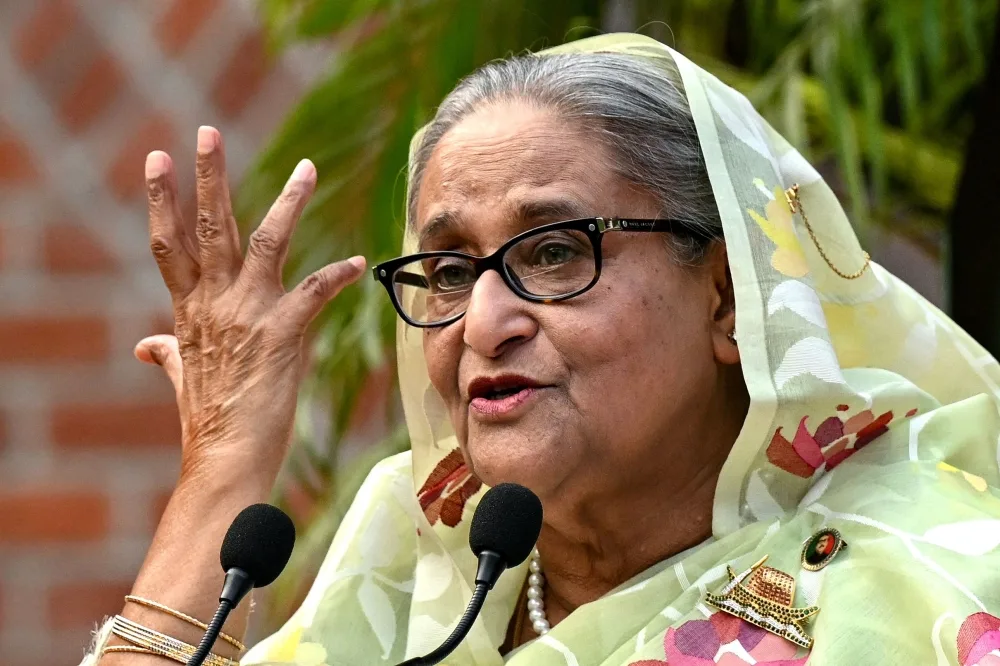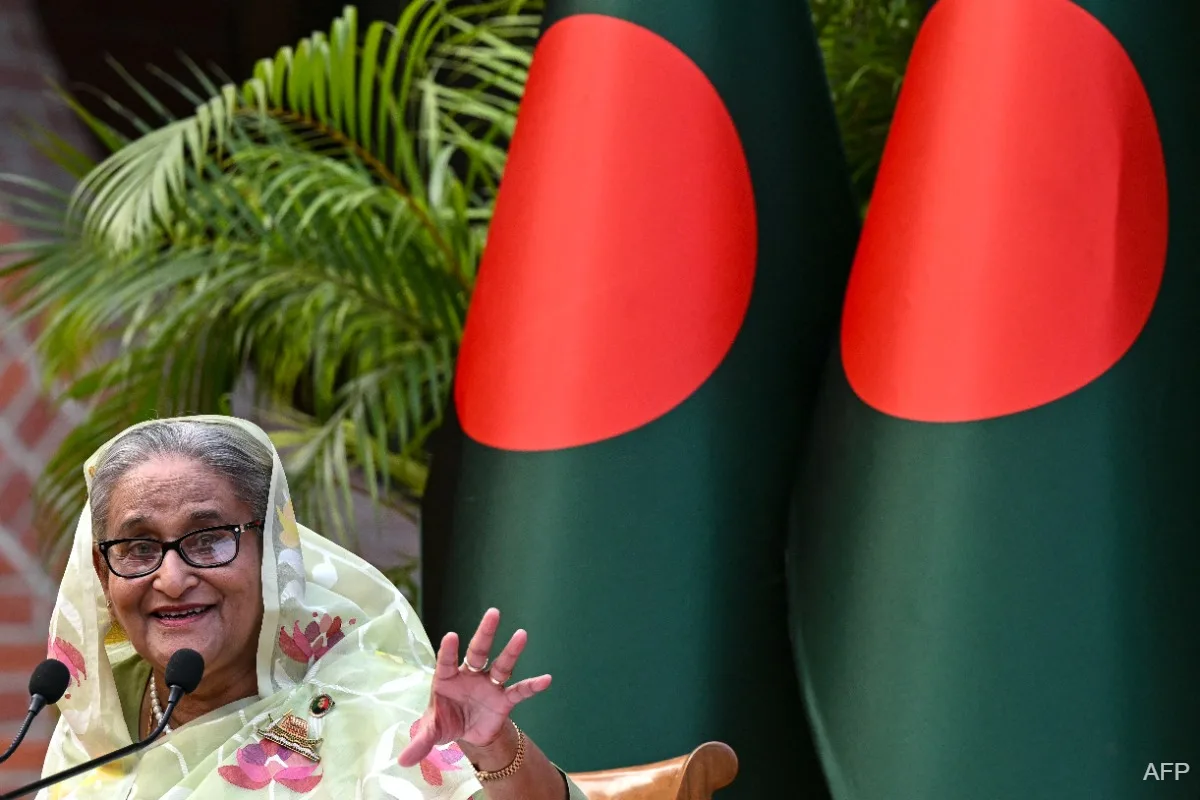
Sheikh Hasina, the 78-year-old former prime minister of Bangladesh, vowed on July 29 to return to Bangladesh by December 2026 even though she faces a death sentence and fears she may be killed, arrested, or imprisoned upon arrival [1, 2, 3, 4]. Hasina was ousted in August 2024 after a 15-year rule when a student-led uprising toppled her government. She escaped to India by helicopter as protestors stormed her palace [1, 5, 2, 3, 4, 6].
The United Nations reported that up to 1,400 people died during security crackdowns against protests that initially began over a government job quota system but escalated into widespread anti-government demonstrations [1, 5, 2, 3, 4, 6]. Hasina has denied sanctioning excessive force during these protests, saying her government attempted to peacefully guide the student movement and displayed "the highest level of patience" [1, 2, 3, 4]. She characterized the 2024 uprising as "a planned operation driven by hidden instructions, organised violence, propaganda and the objective of overthrowing the government" [3].
In November 2025, a Dhaka court found Hasina guilty of crimes against humanity and sentenced her to death by hanging [1, 5, 2, 3, 4, 6]. She dismissed the conviction as "political vengeance dressed up as law" and insisted her decision to return was hers alone, not under pressure from Indian authorities where she has lived in secret with dignity and respect [1, 2, 3, 4]. Hasina acknowledged the loss of lives during the protests but stopped short of issuing a public apology [3, 4]. She said, "Power is not my destination. Service to the people is" [5, 3, 4].
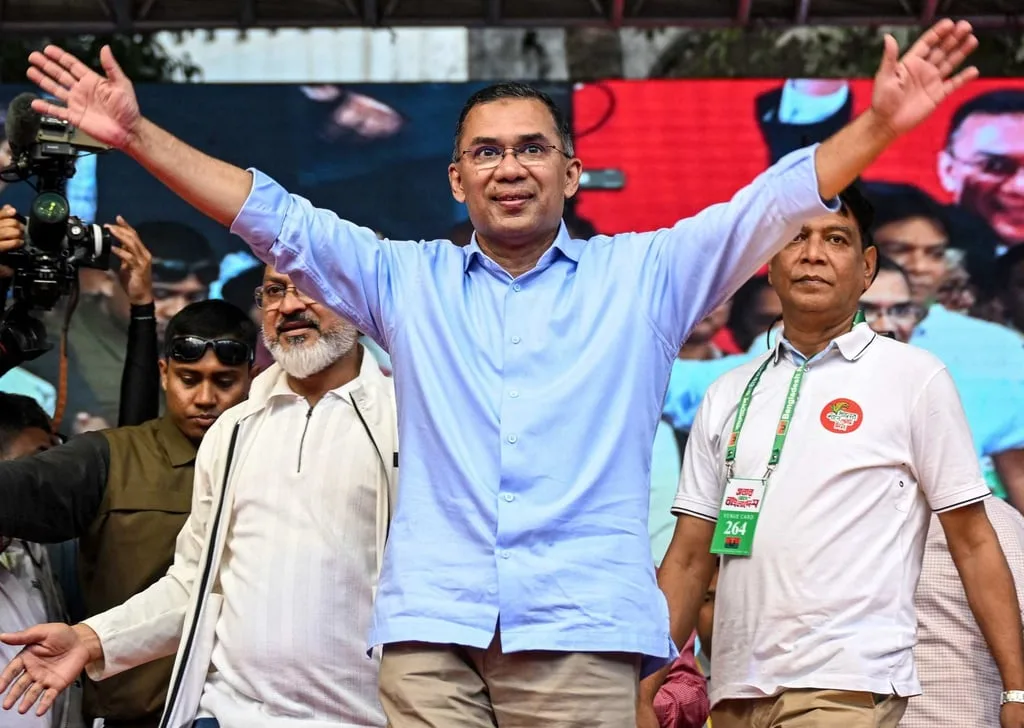
Since Hasina's fall, Bangladesh’s interim government took power, with Tarique Rahman of the Bangladesh Nationalist Party becoming prime minister in February 2026, marking the end of decades of rule by Hasina and her mother [6]. Relations between Bangladesh and India have stabilized after initial strains, though Bangladesh has formally requested Hasina's extradition, which India says is "under examination" [1, 5, 2, 3, 4].
Hasina’s Awami League party has been banned from political activities, and several senior leaders have been arrested or face legal proceedings [6]. Rights groups accuse her former administration of abuses including murder of rivals, suppression of opposition, rigged courts, and unfair elections, charges Hasina calls politically motivated, pointing to investigations and prosecutions of those responsible [1, 2, 3, 4].
Hasina declined to comment on youth protests in India or whether she plans to resume political activities upon her return [2, 3, 4]. Her return by December 2026 remains a focal point amid ongoing legal and political struggles in Bangladesh.