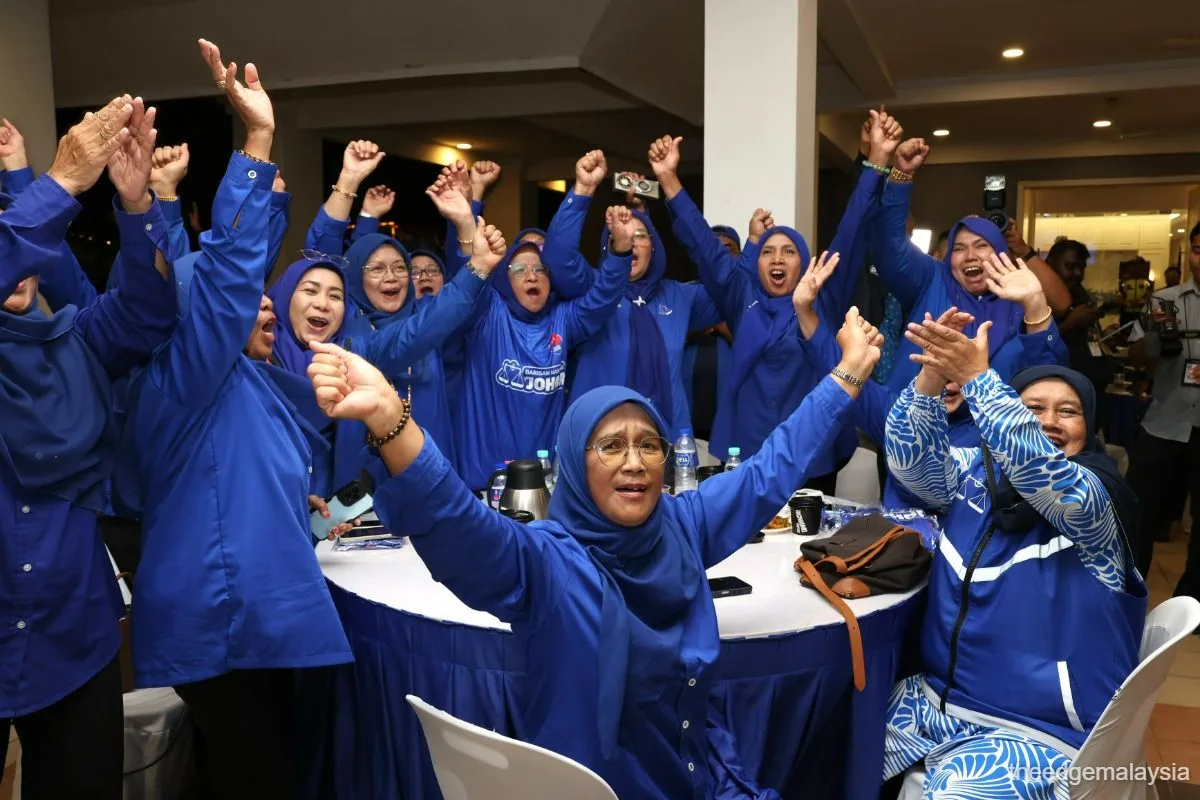
Barisan Nasional (BN) won a landslide victory in the 16th Johor state election on July 11, capturing 48 out of 56 state assembly seats [1, 2, 3, 4]. Pakatan Harapan (PH) won only 8 seats and lost several previously held constituencies, particularly in urban and Chinese-majority areas [2, 5, 6, 7, 1].
Voter turnout was significantly lower in PH-held seats, ranging from about 53.1% to 60%, compared to 59.5% to 65.7% in BN-held areas [5, 6, 7]. Analysts said the lower turnout among younger, urban, and non-Malay voters, especially those living outside their registered constituencies, contributed to PH’s losses [5, 6, 7]. Political analyst Hafidzi Razali noted, "This is among the reasons why BN wanted early elections. This is because voters who choose not to return home to vote are often fence-sitters or PH supporters" [5].
DAP, a key party within PH, lost 11 of the 17 seats it contested, including strongholds such as Jementah, Tangkak, Perling, and Johor Jaya [2]. DAP Johor chairman Teo Nie Ching said, "Clearly, we have shortcomings to fix. The outcome sends a clear message: we must do better. We also thank all voters who turned out. We deeply appreciate every bit of support given" [2].
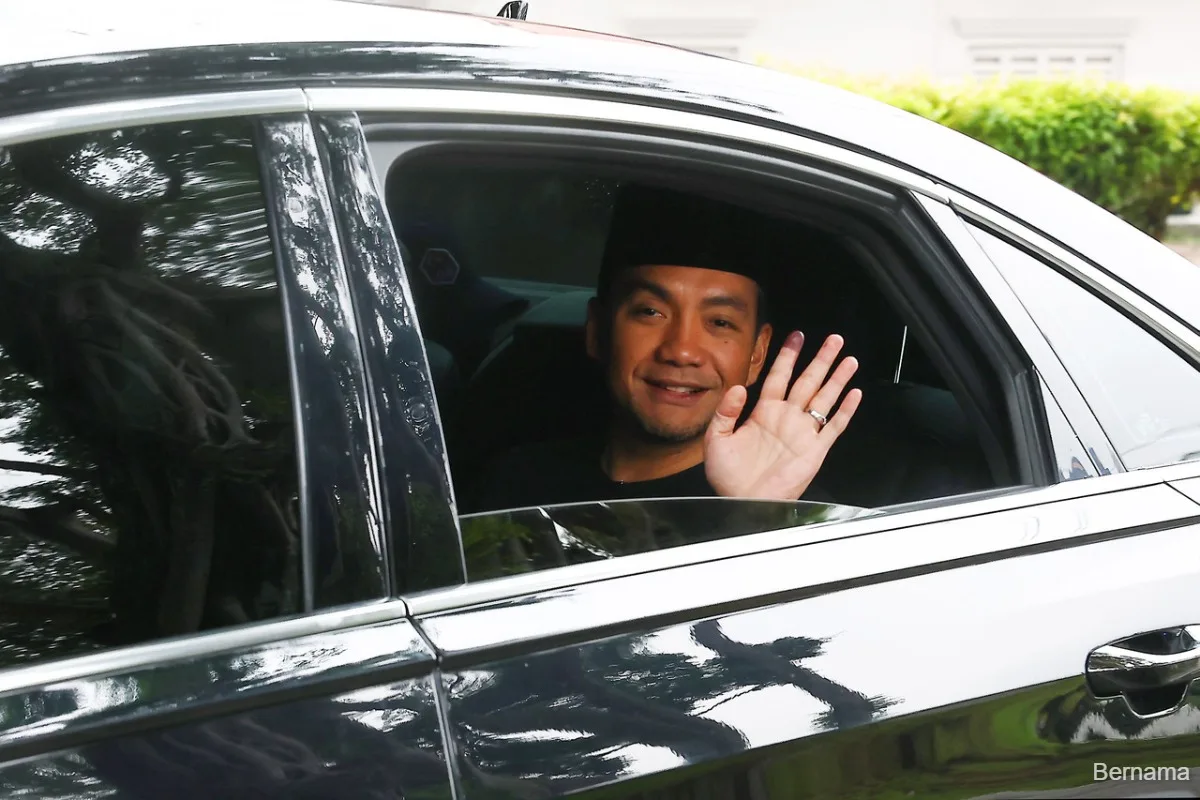
BN candidates Onn Hafiz Ghazi (Machap), Muszaide Makmor (Sedili), and Md Israk Abdullah (Kukup) secured their seats [1, 8]. On July 12, Onn Hafiz was sworn in for a second term as Johor Chief Minister. He expressed gratitude to the Johor Regent and called for prayers for future governance, saying, "My appreciation to Johor Regent Tuanku Ismail Sultan Ibrahim for having the trust in me to continue to serve as Mentri Besar (chief minister) for another term. I would also like to ask for prayers from all so that all the steps that we will take together after this will receive the blessings of Allah" [9, 3].
All 15 candidates from Parti Bersama Malaysia (Bersama) lost their deposits after receiving only 3-6% of votes, below the 12.5% threshold to retain deposits. Party president Rafizi Ramli acknowledged the outcome but said the campaign experience would help strengthen Bersama [10].
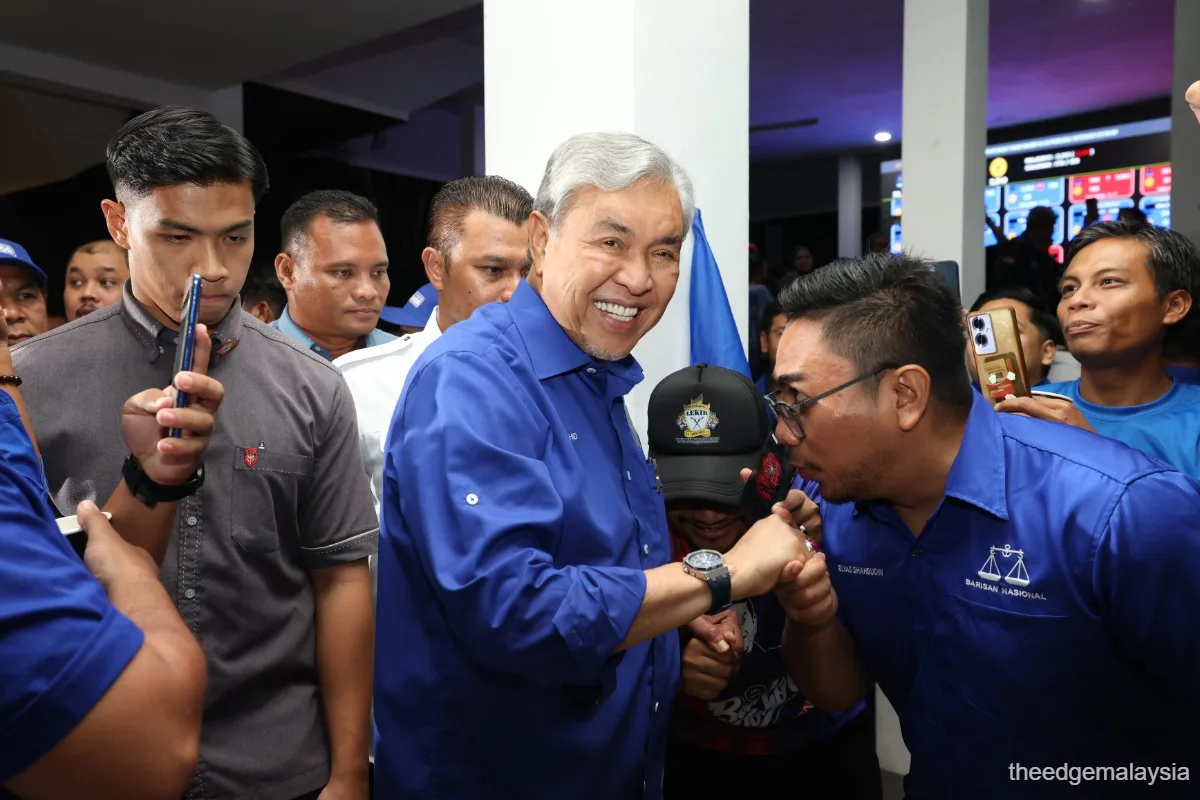
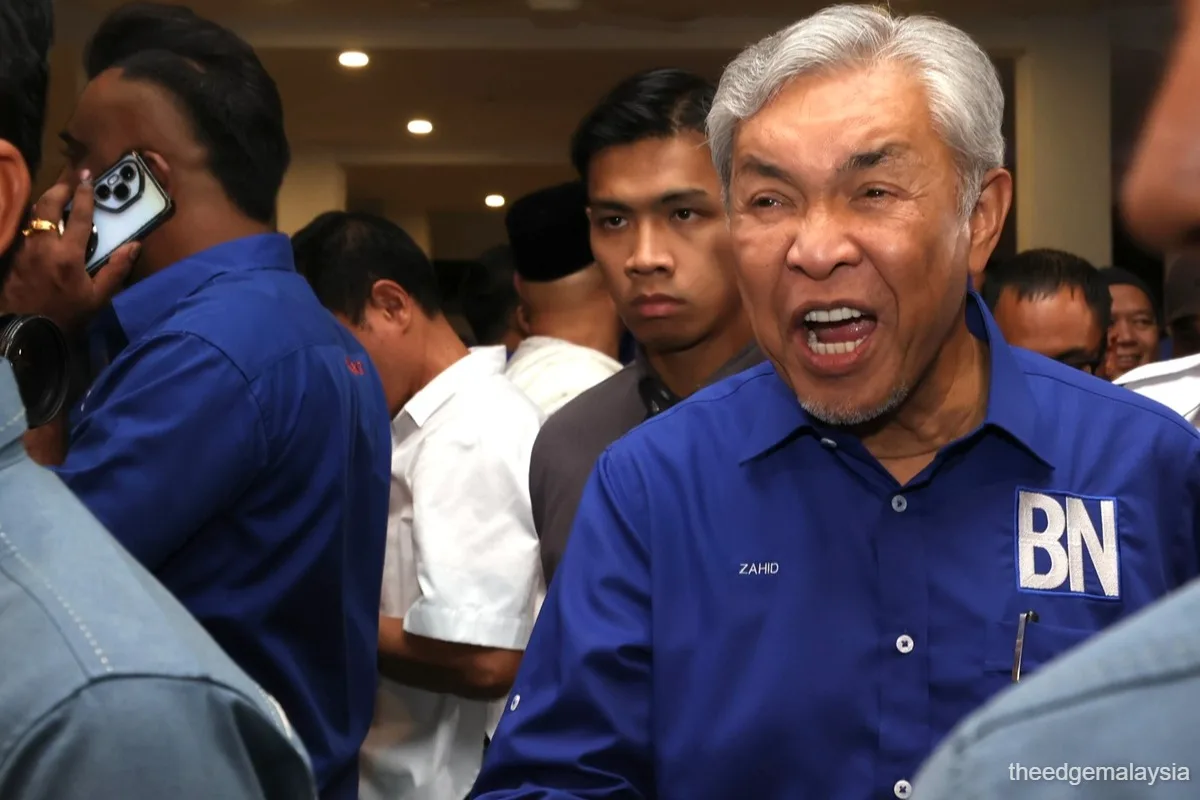
The Election Commission had targeted roughly 70% voter turnout, but the overall turnout was lower, especially in PH areas, benefiting BN and Perikatan Nasional [5, 6, 7, 11]. Analysts noted BN’s strong win increased expectations of an early 16th general election in 2026 [4]. BN chairman and Deputy Prime Minister Ahmad Zahid Hamidi said BN will adjust its strategy for the upcoming Negeri Sembilan state election to reflect different local demographics and voting patterns, saying, "The situation in Negeri Sembilan is certainly different because the number of seats, population demographics and voting patterns also differ. So, BN’s formula must be adjusted to suit the political situation in the state" [4, 12].
Polling occurred on July 11 with about 2.7 million eligible voters [11]. Official results were announced that evening with BN securing the first three seats and PH’s DAP winning Bentayan [1]. On July 12, besides the swearing-in of Onn Hafiz, PH and Bersama parties pledged to review their performances following the election [10, 2]. On July 13, political analysts and BN leadership publicly discussed the implications of BN’s victory and upcoming election strategies [4, 12].