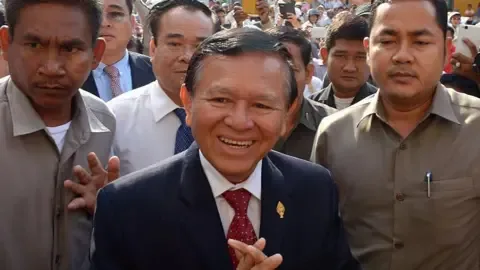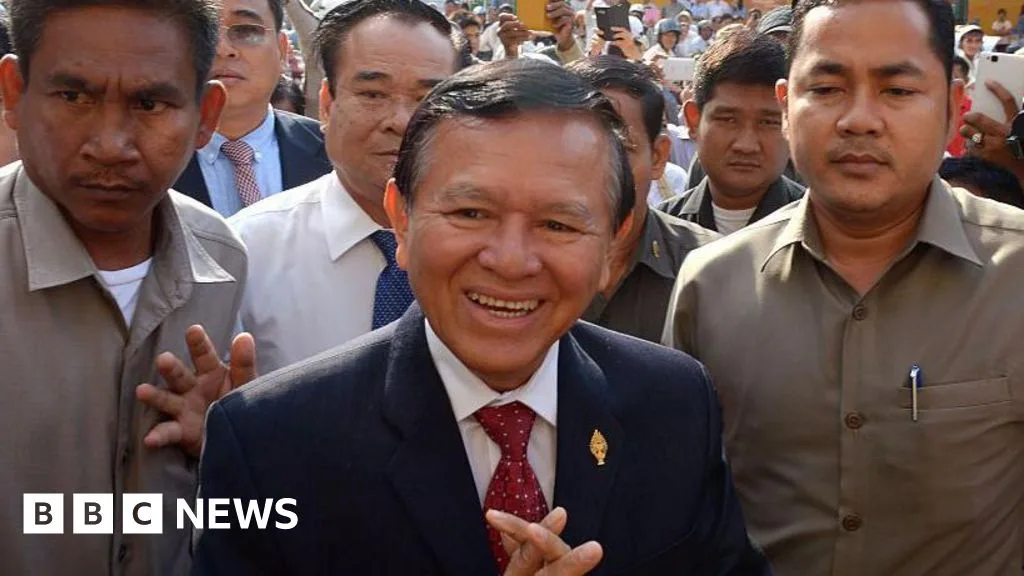
Cambodia's former opposition leader Kem Sokha was pardoned from his 27-year prison sentence for treason by a royal decree issued on May 25, 2026 [1, 2, 3, 4, 5, 6, 7, 8]. The decree was signed by Senate President Hun Sen as acting head of state while King Norodom Sihamoni undergoes medical treatment abroad [2, 3, 4, 5, 6, 7, 8]. Kem Sokha has been held under house arrest since his sentencing in 2023 [1, 2, 3, 4, 5].
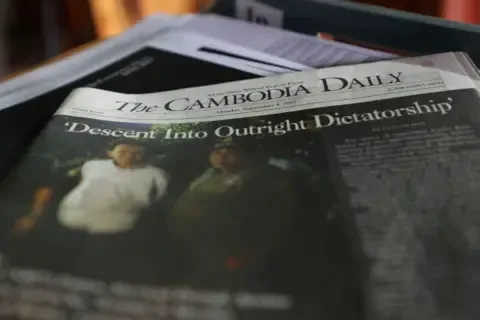
Kem Sokha was arrested in 2017 on charges of conspiring with foreign powers to overthrow then-premier Hun Sen, and was sentenced to 27 years imprisonment in March 2023 [1, 2, 3, 4, 5, 6, 7, 8]. He co-founded the Cambodia National Rescue Party (CNRP), which was dissolved by a 2017 Supreme Court ruling that banned opposition parties and weakened political opposition in Cambodia [1, 2, 3, 6, 7, 8].
The royal pardon ends the prison sentence but maintains restrictions on Kem Sokha, including a five-year ban on leaving Cambodia and constraints on political activity [1, 2, 3, 5, 6, 8]. Elaine Pearson, Asia director at Human Rights Watch, said Hun Sen's decision "partially reverses a grievous injustice, but it is deplorable that Sokha remains barred from participating in politics or leaving the country" [1].
Kem Sokha is 72 years old [2, 3, 4, 5, 6, 7, 8]. Hun Sen stepped down as prime minister in 2023, handing the role to his son Hun Manet, who now heads the government [1, 2, 3, 4, 5, 6, 7, 8]. Hun Manet described the pardon as "one more step towards strengthening national unity" [1].
The pardon followed an April 2026 appeal court ruling that upheld Kem Sokha's 27-year sentence and the five-year travel ban after serving it [2, 3, 5]. Volker Turk, UN rights chief, said he was "deeply concerned by a Cambodian court rejecting Kem Sokha's appeal against his treason sentence" [3]. Some critics, including exiled opposition figures, called the pardon a "political whitewash" that does not end repression [7, 8].
The next key event is any potential official changes to Kem Sokha's political restrictions or travel ban, which currently remain in place despite the pardon [1, 2, 3, 5, 6, 8].