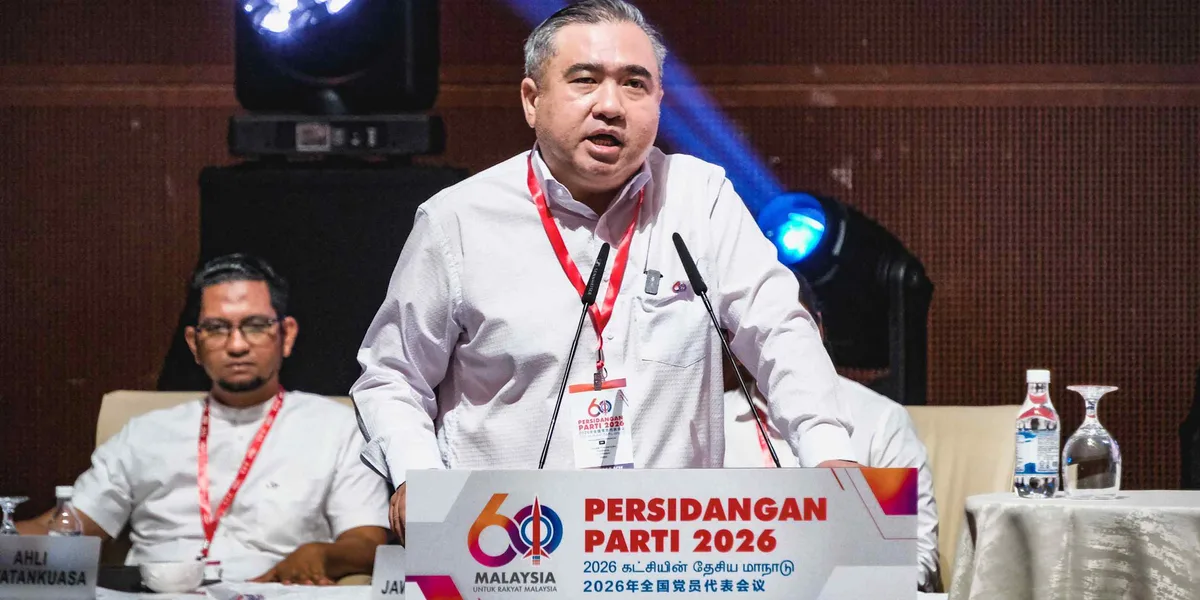
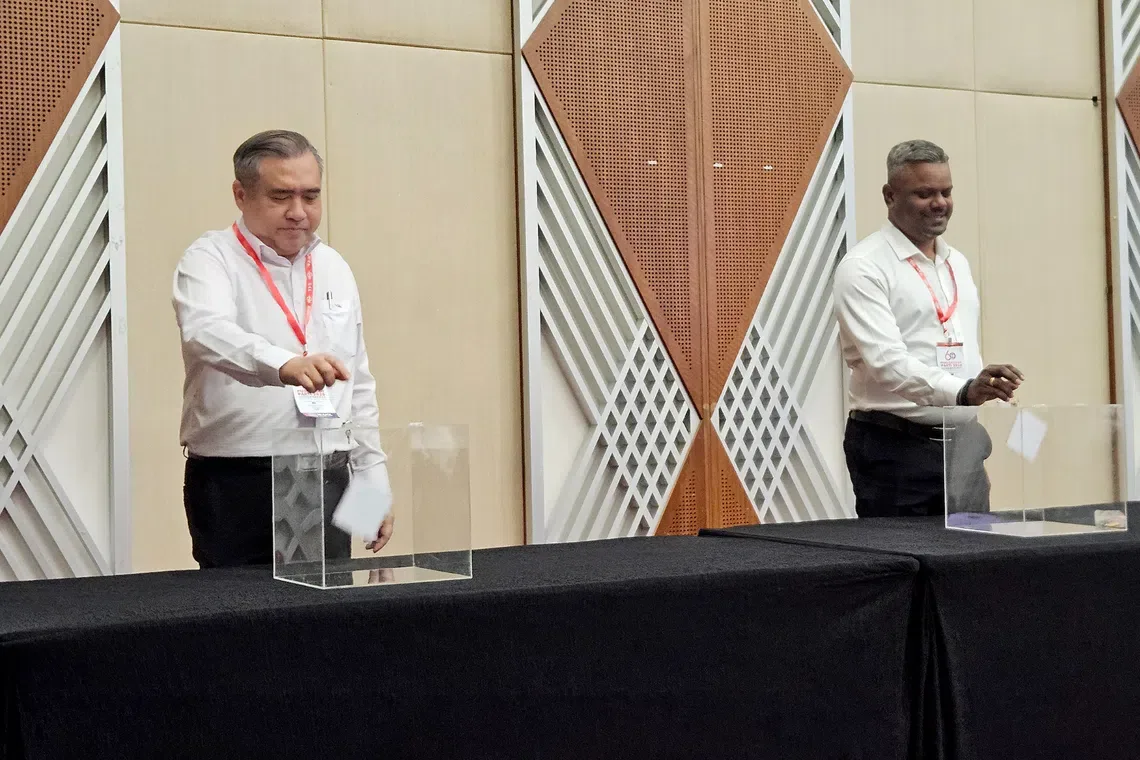
Malaysia’s Democratic Action Party (DAP) voted to continue its participation in Prime Minister Anwar Ibrahim’s unity government during a national conference held on August 16 in Putrajaya [1, 2, 3, 4, 5, 6]. Over 4,000 delegates attended the congress, with 2,223 casting votes in a referendum. Of these, 1,857 supported staying in government, 242 opposed, and seven ballots were spoilt, representing a turnout of 52.1% [2, 3, 4].
DAP holds 40 seats in Parliament as the largest party within the Pakatan Harapan coalition, making its decision crucial for Anwar’s parliamentary majority [2, 3, 4, 6]. Some delegates at the congress voiced criticism of Anwar’s leadership for creating division among coalition partners, empowering opposition party Umno, and failing to deliver promised reforms. As Wilayah Persekutuan DAP delegate Sangeet Kaur Deo said, "Instead of bringing the coalition partners together, what has he done? He has divided us, pitting one against the other. He has empowered Umno. We cannot afford to ignore that" [1].
Despite concerns, delegates urged the party to remain in the government to rebuild voter trust and credibility ahead of the parliamentary term ending before February 2028. "Stay in government, find our voices. If we must become the opposition again, at least we have laid the foundation and basics and regained credibility," Sangeet Kaur Deo added [1, 2, 6]. DAP Secretary-General Anthony Loke affirmed full support for Anwar, describing the vote as "the mandate given to the [party’s central executive committee] and our leaders to continue to pursue the reform agenda" promised in the coalition’s manifesto [6].
DAP National Chairman Gobind Singh Deo called for stronger focus on economic and institutional reforms, urging the unity government to prioritize areas where coalition consensus is feasible. Key reforms pushed by DAP include separating the Attorney General and Public Prosecutor roles, imposing a two-term limit on the prime minister, and amending security laws [7, 8]. Gobind said, "We need to look at what can actually be agreed upon by all the parties and implemented, so that we can ensure the reforms or changes that need to be made are carried out" [8].
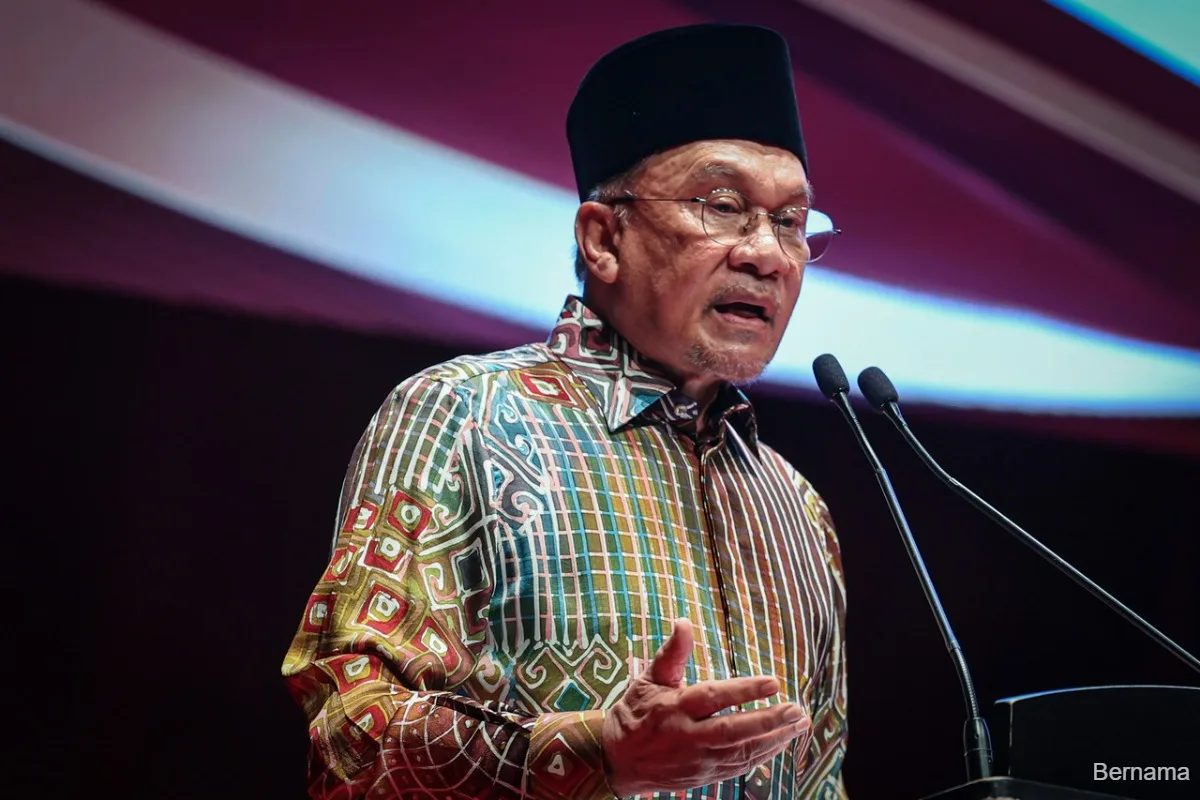
Prime Minister Anwar Ibrahim announced plans to fully repeal the Universities and University Colleges Act (AUKU) without introducing new laws restricting student activities. He said, "There are concerns that sometimes Auku is repealed and a new law is introduced that also restricts them. I also do not agree with any amendment or replacement (law) that restricts or suppresses student activities" [9]. Anthony Loke echoed support, stating, "DAP will give him 100 per cent support. But we appeal — not just AUKU. That same spirit must be carried forward for several more reforms that we have promised to the people" [10].
DAP remains cautious, warning it may consider leaving the coalition if promised reforms are not delivered over the next 18 months [1]. A Cabinet meeting is scheduled for August 19 to discuss tabling the AUKU repeal proposal [10].