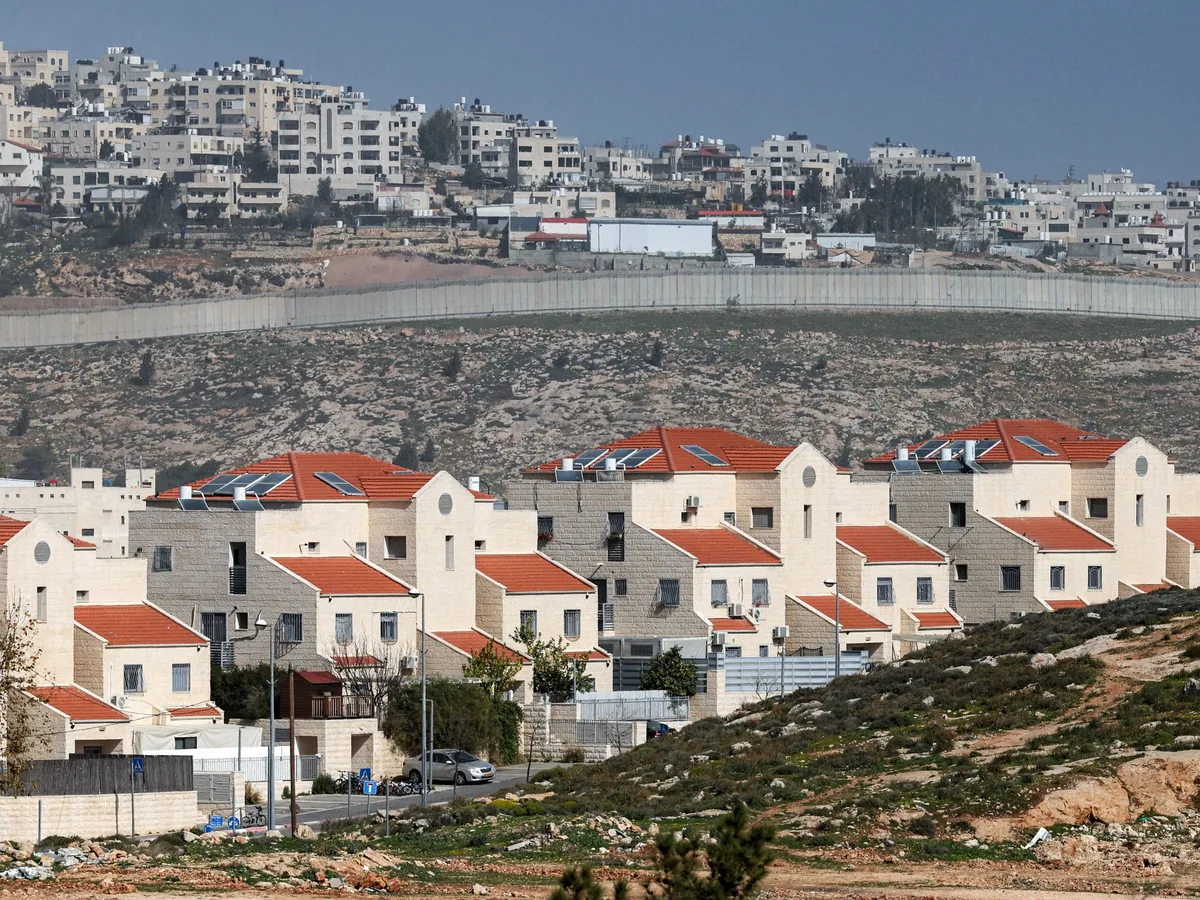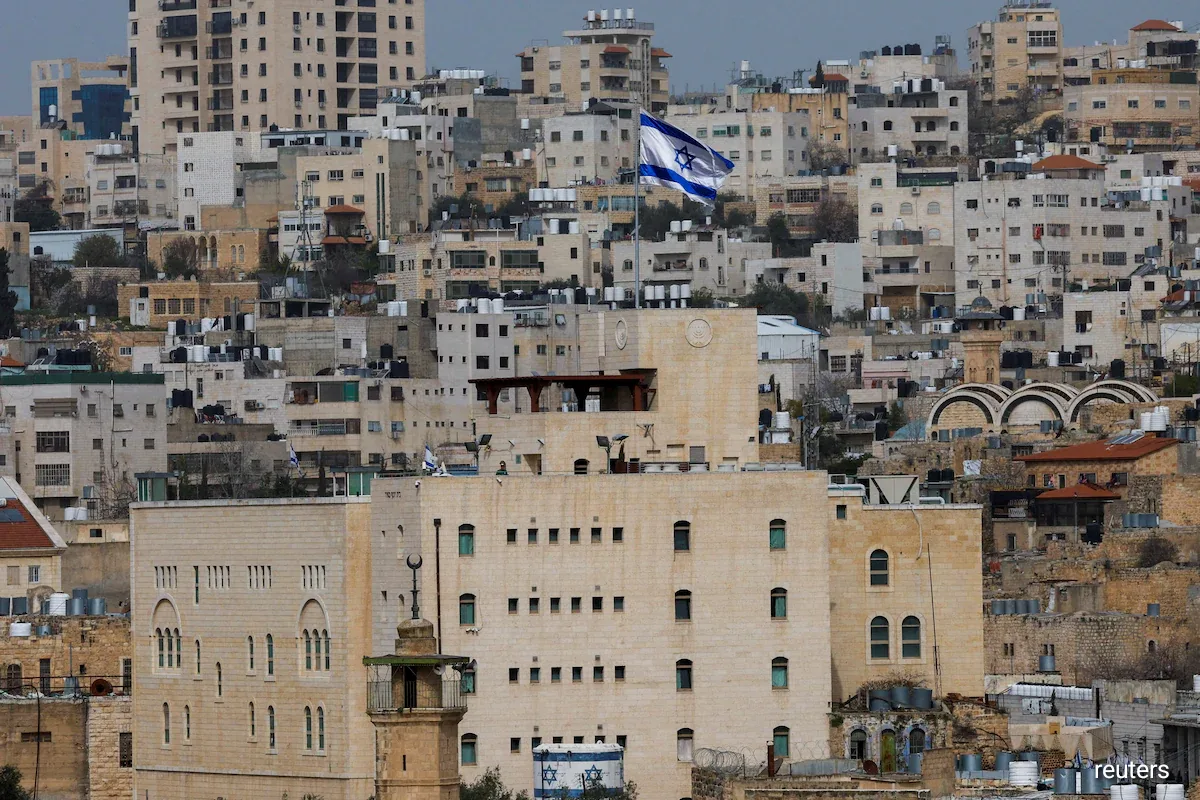
European Union foreign ministers gathered in Brussels on July 13 to discuss whether there is sufficient support for new measures aimed at curbing trade with Israeli settlements in the occupied West Bank [1, 2, 3, 4, 5, 6]. The discussion centered on a confidential European Commission paper proposing three possible approaches: an import licensing system, prohibitive tariffs, or a full trade ban with the settlements [1, 2, 3, 4, 5, 6].
EU foreign policy chief Kaja Kallas said, "Everybody agrees that the situation in the West Bank is really intolerable" and warned, "What is happening in the West Bank is actually making it more and more impossible that the two-state solution ever can come into effect" [3]. Kallas emphasized the urgency amid ongoing settlement expansion.
Israeli settlement growth has sharply accelerated, with new outposts jumping from an average of 8 annually between 2012 and 2022, to 32 in 2023, 62 in 2024, and 86 in 2025 [4]. More than 500,000 Israeli settlers live in the West Bank, excluding East Jerusalem, alongside some 3 million Palestinians [4, 5, 6]. Meanwhile, 2026 is reported as the deadliest year for settler violence against Palestinians since tracking began a decade ago, including attacks and property destruction [4].
The EU is divided internally on Middle East policy, complicating action. Some member states, such as Ireland, the Netherlands, and Spain, have already imposed their own trade restrictions on settlement products [5, 6]. But the 27-nation bloc remains split with some countries firmly supporting Israel while others back Palestinian rights [1, 3, 5, 6]. Belgium’s foreign minister Maxime Prevot said, "We are calling for concrete proposals" to curb trade [5].
A key disagreement remains on whether banning trade with settlements requires unanimous approval from all member states or only a qualified majority of 15 states representing 65% of the population [1, 2, 3, 5, 6]. The European Commission paper leans toward unanimity [1, 2, 4, 6], but some diplomats argue a qualified majority suffices [1, 3, 5].
Israel rejects the International Court of Justice’s July 2024 advisory opinion that declared the settlements illegal and urged states to prevent trade that supports the occupation [1, 2]. Israeli Foreign Minister Gideon Saar called efforts by European governments to implement the ruling "shameful" [1, 2].
The EU imposed sanctions in May 2026 on four entities and three individuals over serious human rights abuses against Palestinians in the West Bank [1, 2]. UN Secretary-General Antonio Guterres condemned the "relentless" expansion of settlements behind what he called the worst displacement crisis in the West Bank since 1967 [5, 6].
No formal decision on trade measures was expected at the July 13 meeting; it was mainly aimed at discussing options and gauging support among member states [1, 2, 3, 4, 5, 6]. EU diplomats noted some frustration over slow progress, pressing the European Commission for concrete action [5, 6]. Further talks and possible proposals are anticipated in coming months.