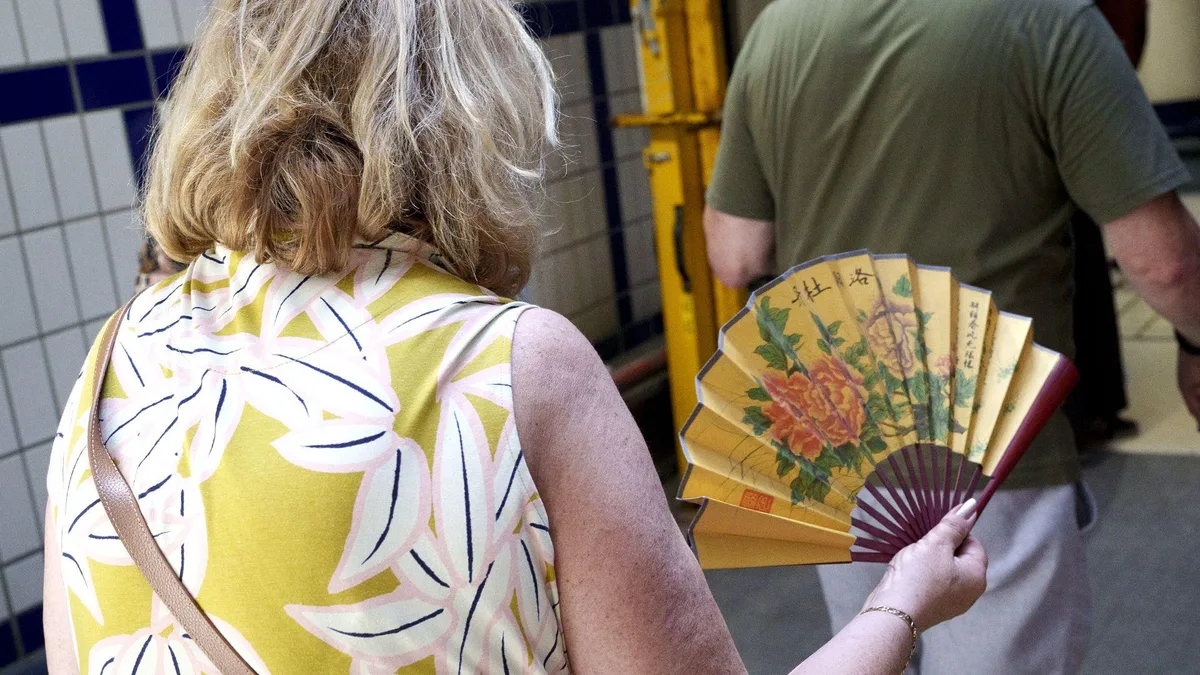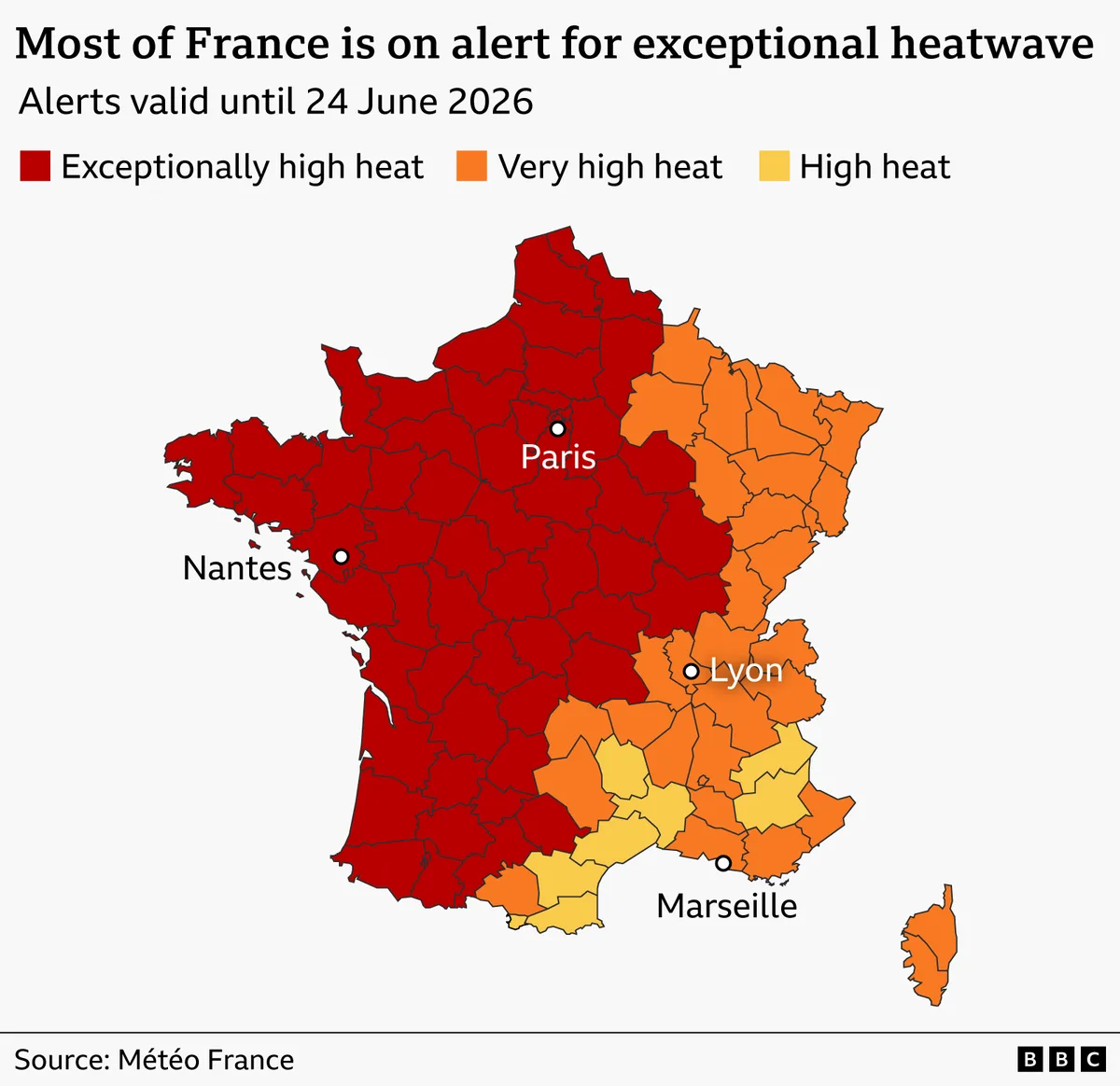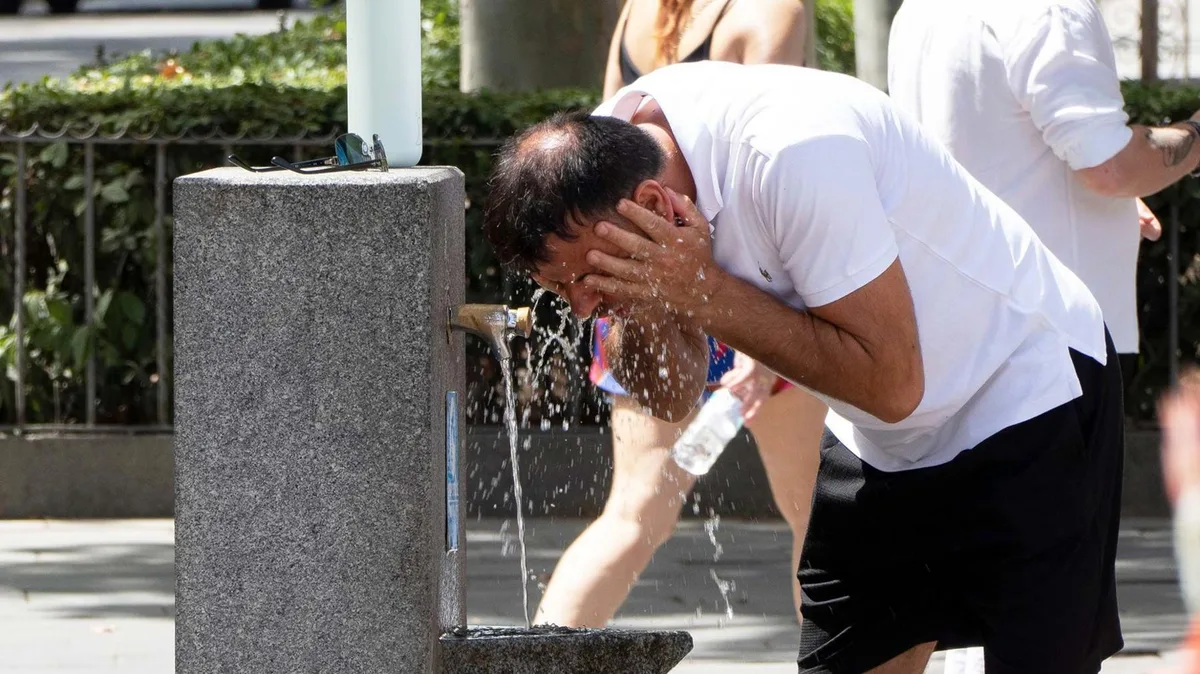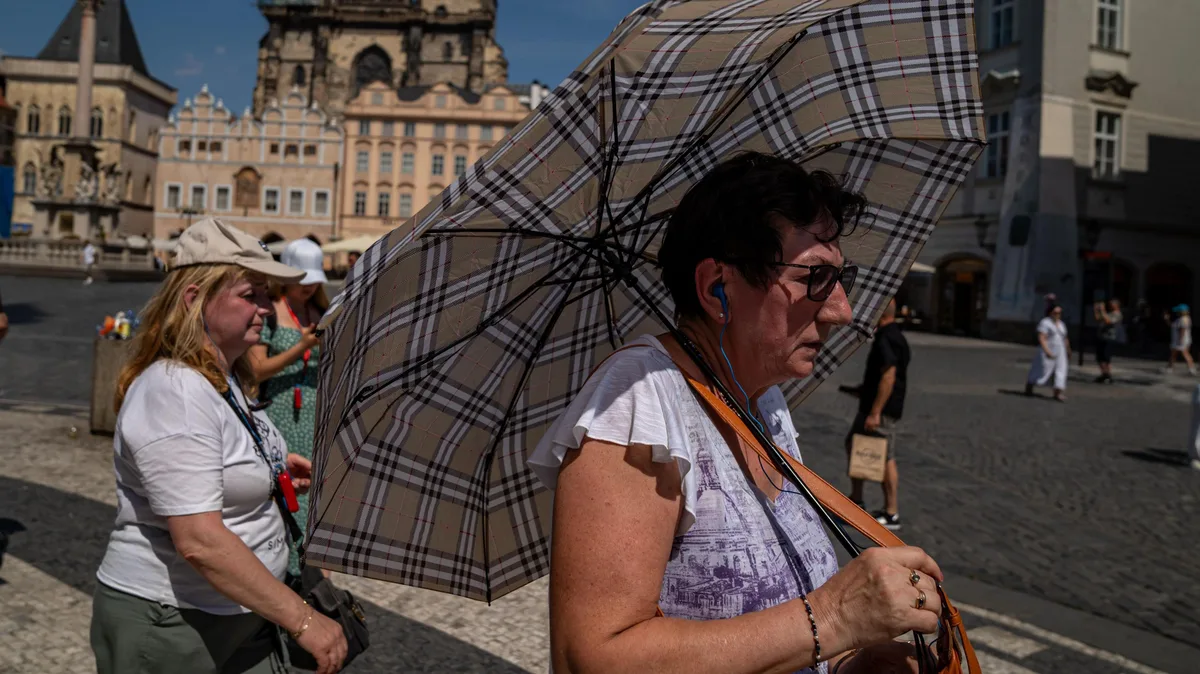
France recorded over 2,000 excess deaths in the last week of June 2026 during a record-breaking heatwave that affected more than half its population, with temperatures surpassing 40°C and setting new daily and nighttime highs [1, 2, 3]. Authorities put over 35 million people under orange or red heat alerts by mid to late June, including 49 departments on the highest alert level on June 22 [4, 3].
The heatwave also led to at least 72 drowning deaths linked to unsafe swimming in rivers and lakes — often in unsupervised areas. French Prime Minister Sébastien Lecornu warned, "It's not something to be taken lightly, going swimming in unsupervised areas during a heatwave" [5]. In Paris, officials temporarily allowed swimming in the Canal Saint-Martin under lifeguard supervision from June 17 to help residents cope with the heat, with Mayor Emmanuel Gregoire noting the strain of policing young people who swam despite bans on hot days [6, 7, 8].
Two intense heatwaves struck France in 2026: one unusually early in May and a stronger second wave in mid to late June [6, 7, 8, 4]. The heat dome responsible caused sustained record temperatures, while other European countries including Germany, Spain, Italy, Belgium, and the Netherlands also broke temperature records and reported excess deaths [5, 9, 1, 10, 2, 3]. Germany reached a high of 41.5°C during the heatwave [9].
The heat heavily disrupted daily life in France. Around 2,700 schools closed early or adjusted schedules to protect students from the extreme heat [4, 2]. Alcohol bans were imposed at public events to ease pressure on the medical system [10, 3]. The warming rivers reduced nuclear power output and caused transport disruptions such as train cancellations [11, 10].
The crisis intensified political debate over air conditioning in France. Only 25% of households had air conditioning in 2026, but some parties accepted its necessity given the heat’s toll. Marine Le Pen said, "A mass subsidised roll-out of air-conditioning is needed to tackle climate change effects," while Ecologist Party leader Marie Tondelier added, "There are places where we just can't do without it now" [12].
Health Minister Stéphanie Rist said, "We’re heading for, at the very least, several days of very, very hot weather. We don’t know when temperatures will start falling," and warned that "many people are going to suffer, because bodies suffer from an accumulation of high temperatures" [2, 3].
France’s next heat alerts and related measures will remain key as the summer continues. The country faced its peak heat during the week around June 21–22, with ongoing warnings for extreme temperatures and heat-related risks [7, 8, 10, 2, 3].