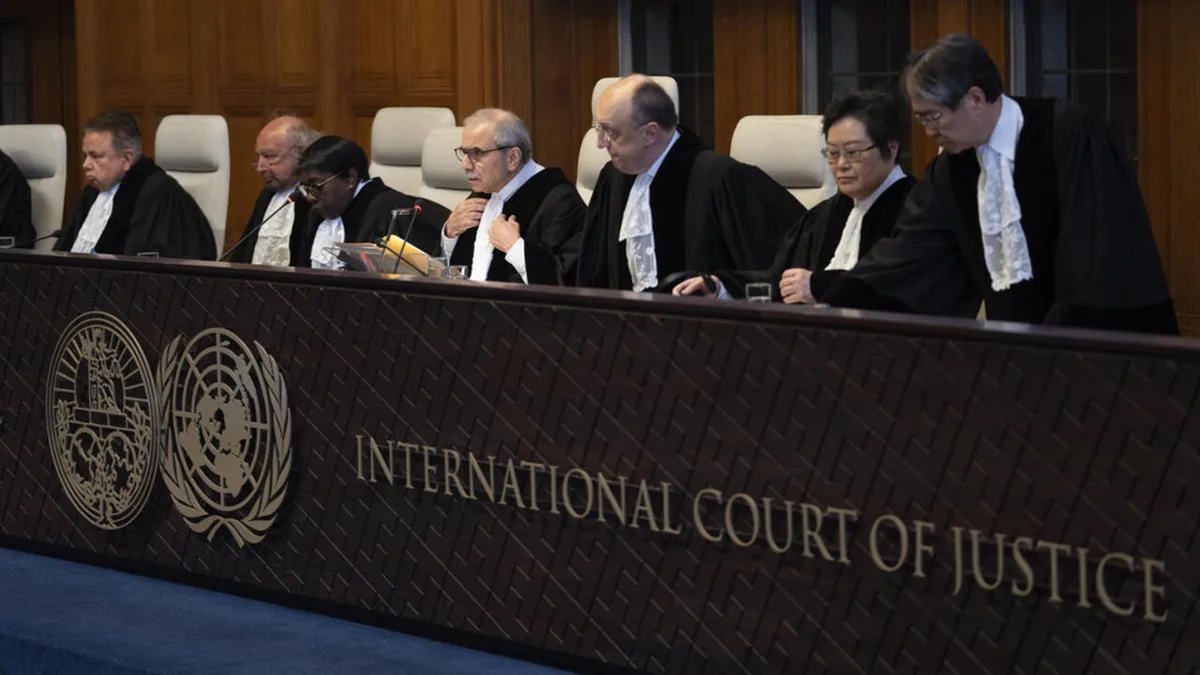
Germany asked the International Court of Justice (ICJ) on September 7, 2026, to dismiss a lawsuit filed by Nicaragua accusing Germany of violating the 1948 Genocide Convention by supplying weapons to Israel amid the Gaza conflict [1, 2, 3, 4]. The hearing on Germany’s challenge to the court’s jurisdiction began the same day.
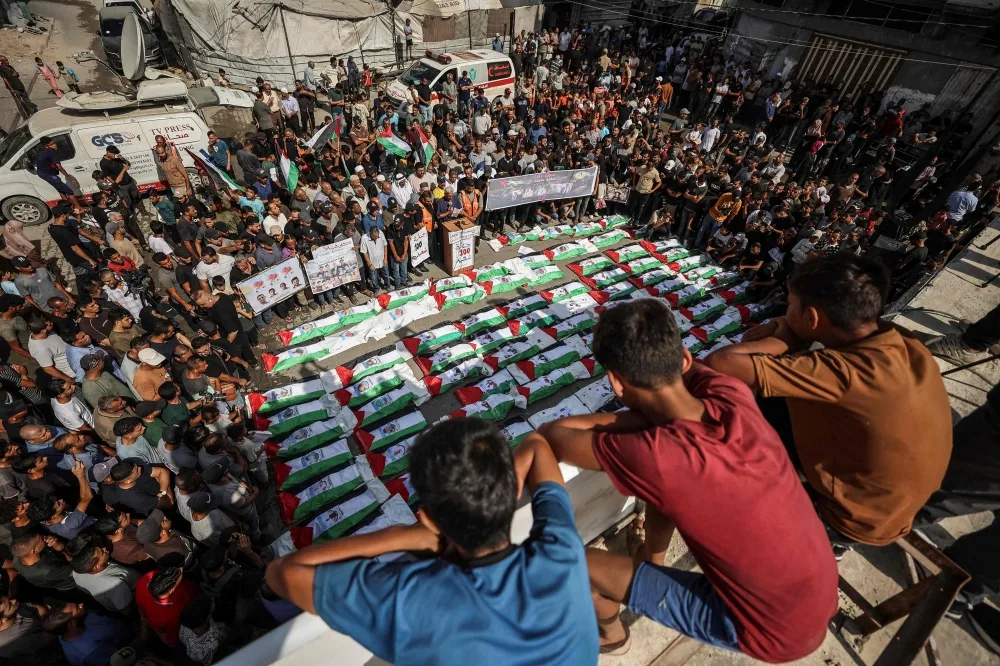
Nicaragua alleges Germany is "facilitating genocide" in Gaza through its support for Israel, primarily via arms exports [1, 2, 3, 4]. Nicaragua’s ambassador to the Netherlands, Carlos Jose Arguello Gomez, called Germany "pathetic" and said it "seems not to be able to differentiate between self-defence and genocide" [3]. Nicaragua cut diplomatic ties with Israel in 2024 following the outbreak of the Gaza war triggered by Hamas militants’ attack in October 2023 [1, 3].
Germany denies the accusations and rejects the ICJ’s authority to hear the case. German legal adviser Julia Monar said Germany "respectfully requests the court to reject Nicaragua's claims," arguing that "the conditions on which this court’s jurisdiction is based are not met in this case." She called Nicaragua’s allegations "inaccurate and distorted," and said Germany operates under arms export licenses with scrutiny exceeding international law requirements [1, 3, 4].
The ICJ had earlier rejected Nicaragua’s 2024 request for emergency measures to halt German aid to Israel, ruling the current situation did not justify such orders [2, 3, 4]. Germany briefly suspended arms exports to Israel for a few months in 2025 but resumed afterward [1].
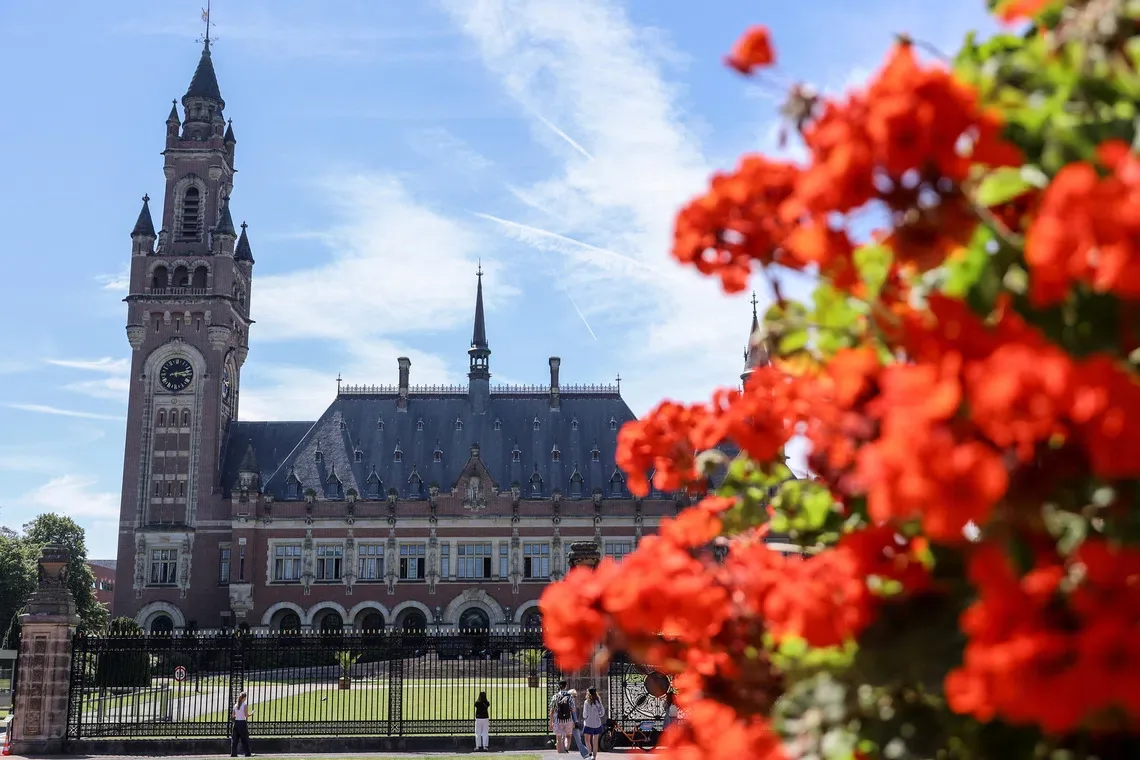
The ICJ is the United Nations’ highest judicial body for disputes between states, and its rulings are final with no appeal [1]. A ruling on Germany’s jurisdiction objection is expected later in 2026. The court’s final decision on the merits, however, could take several years to conclude [1, 2, 3, 4].