Indonesia's Islamic Ulema Council (MUI) issued a statement between August 3 and 9 warning men not to wear women's clothing during Independence Day festivities, calling the practice "haram" or forbidden in Islam [1, 2, 3, 4]. The caution also extends to women dressing as men during the celebrations [1, 2, 3, 4].
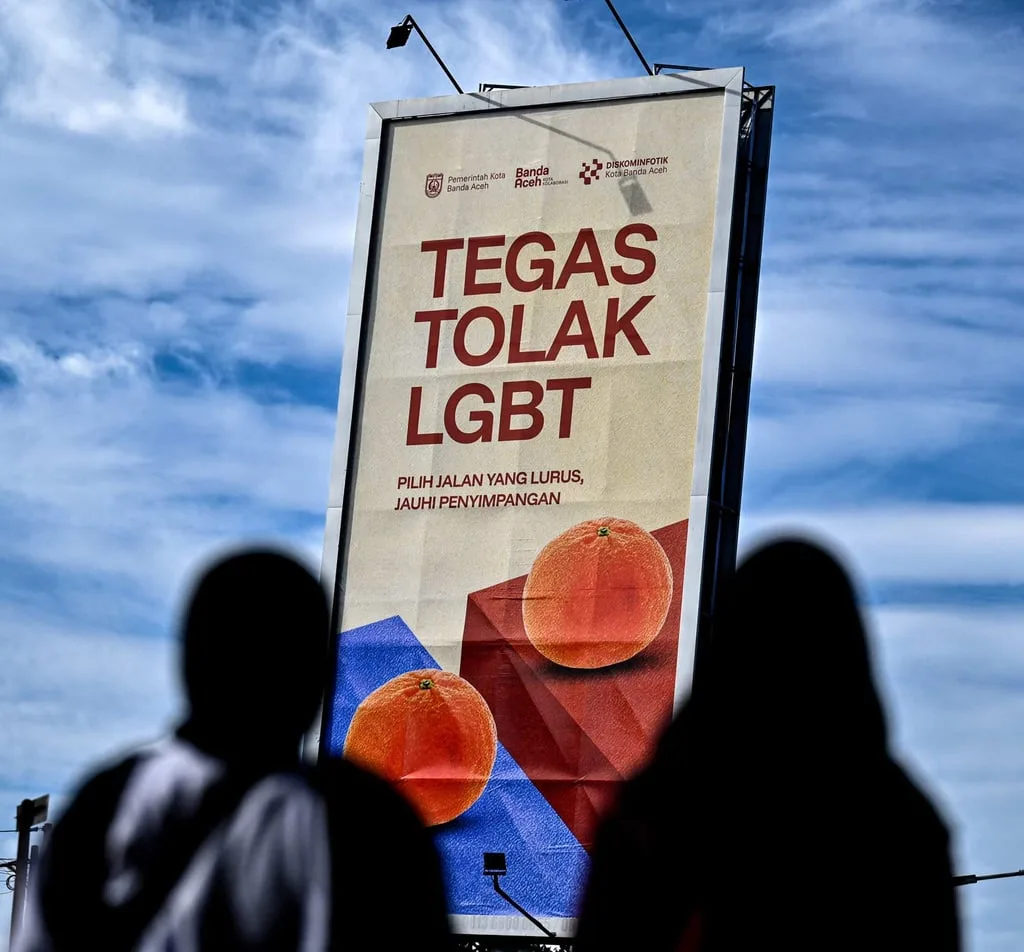
The council said the rise of such cross-dressing is a violation of sharia law and social norms and part of efforts to counter what it terms the "LGSP" movement, an alternative acronym to LGBTQ groups. MUI stated the increase in "deviant actions" like men wearing women's clothes has led to these infractions [2].
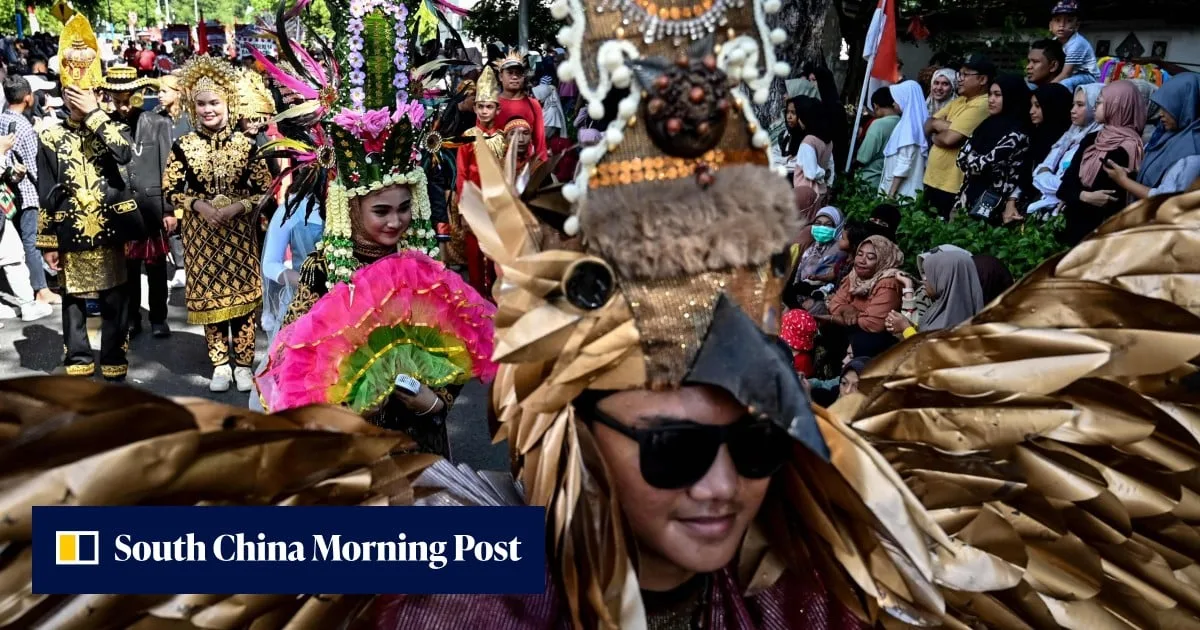
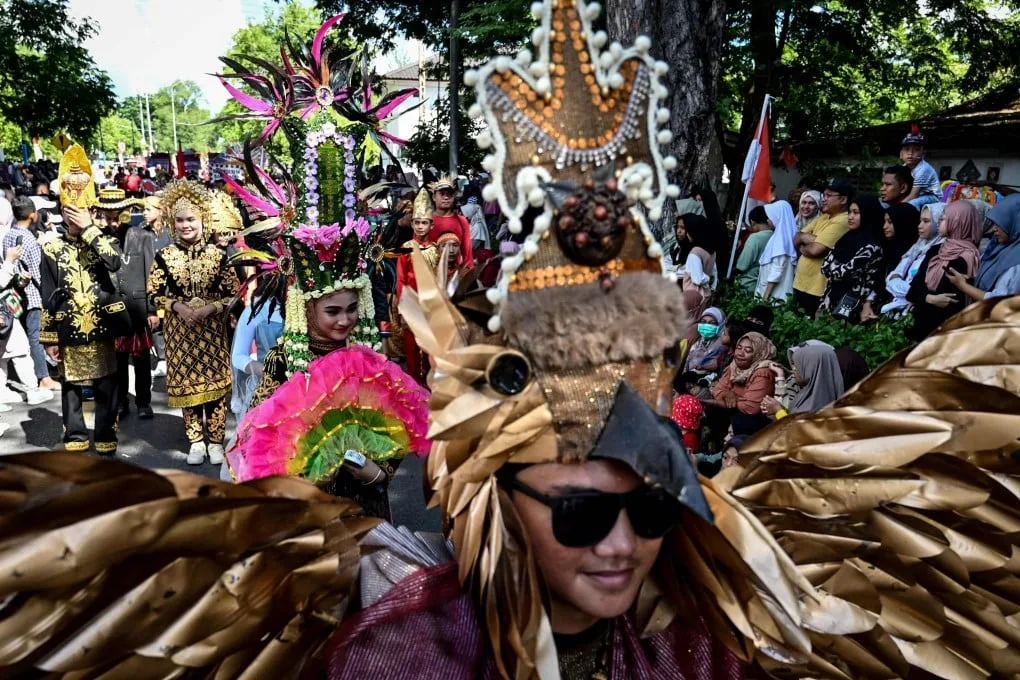
Wearing women's clothing by men during Independence Day games and parades has been a long-standing tradition in some communities in Indonesia. These acts often carry a comical tone and are not connected to issues of gender identity, according to local custom [5, 1, 2, 3, 4]. Dede Oetomo, founder of the LGBTQ rights group GAYa NUSANTARA, noted that "men wearing traditional female clothing for football or parade events is a long-standing custom and a part of many communities’ Independence Day celebrations" [1].
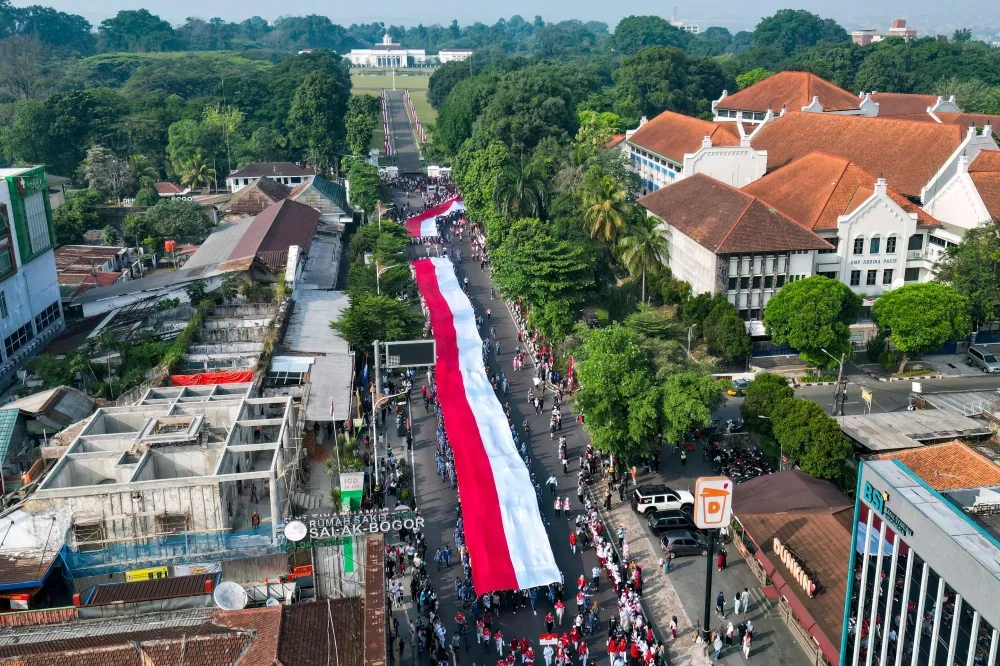
Independence Day in Indonesia is celebrated each year on August 17, marking independence from Dutch colonial rule in 1945 [5, 1, 2, 3, 4]. The celebrations include traditional games such as tug of war, sack races, climbing greased poles, and colorful float parades, with cross-dressing sometimes featured for humor during these events [5, 1, 2, 3, 4].
Indonesia, a Muslim-majority country, has seen rising anti-LGBTQ sentiment, including recent attacks on gay individuals and a presidential regulation labeling "LGBTQ culture" as a security threat [5, 2, 3]. LGBTQ activists argue that the MUI's statement marginalizes transgender women and disregards cultural traditions that have tolerated cross-dressing for centuries [1, 4].
The upcoming Independence Day on August 17 will be the first major public event following MUI's warning. Communities across Indonesia will observe traditional competitions, games, and parades, with the council’s guidance likely shaping some participants’ choices [5, 1, 2, 3, 4].