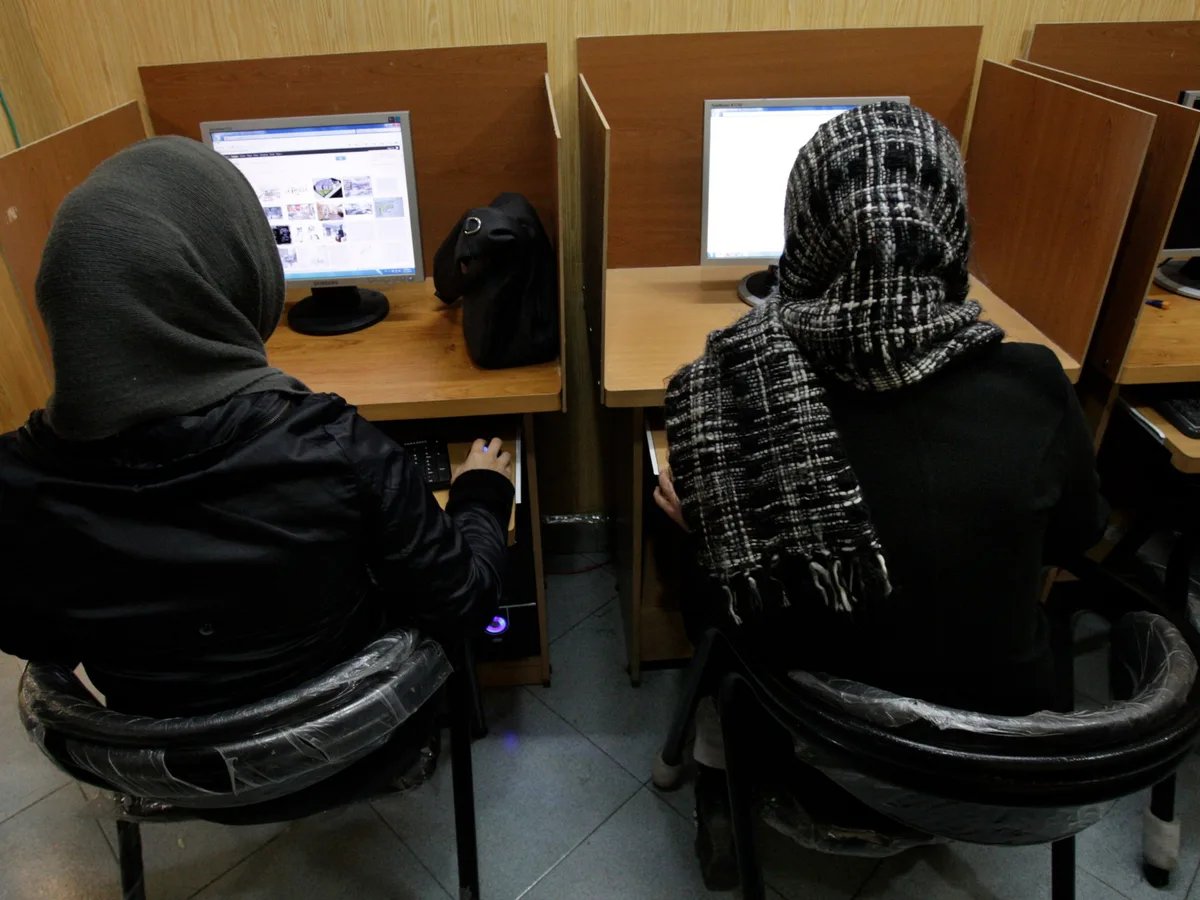
Iran has maintained a near-total nationwide internet blackout affecting over 90 million citizens since February 28, 2026, following the outbreak of war with the United States and Israel [1, 2]. The blackout, the longest in Iran’s history according to internet monitors such as NetBlocks, has cut most Iranians off from the global internet [2]. Instead, users can access a slow and patchy national intranet featuring government-approved applications [1, 2].
On May 13, Iranian President Masoud Pezeshkian announced the creation of a Specialised Headquarters for Organising and Guiding Iran’s Cyberspace. The new body, led by First Vice President Mohammad Reza Aref, is tasked with overhauling internet governance, coordinating policies across agencies, and reviewing the Supreme Council of Cyberspace’s operations [1].
Alongside continued restrictions, Tehran has introduced a "Pro Internet" paid access tier. Priced at about US$11 for 50 gigabytes, the paid tier offers limited connectivity to select professionals and business owners at significantly higher-than-normal prices [2]. Access through this tier is restricted to certain platforms such as WhatsApp and Telegram. Key social media and video platforms like Instagram, X, and YouTube remain blocked without VPN use [2].
Amir-Hassan, an Iranian tech worker, said he was "forced to get internet so I could ensure the flow of my income." He criticized the tiered system, calling it a model "meant to generate money" and said it creates social divisions. "There is judgement too... people say you went and put money into the pocket of a government that unfairly offers this," he added [2].
Despite public frustration, Iran’s government continues to enforce its layered internet strategy while managing cyberspace governance through the newly established headquarters. The blackout, now lasting nearly three months, remains in place with no widespread restoration expected soon [1, 2].