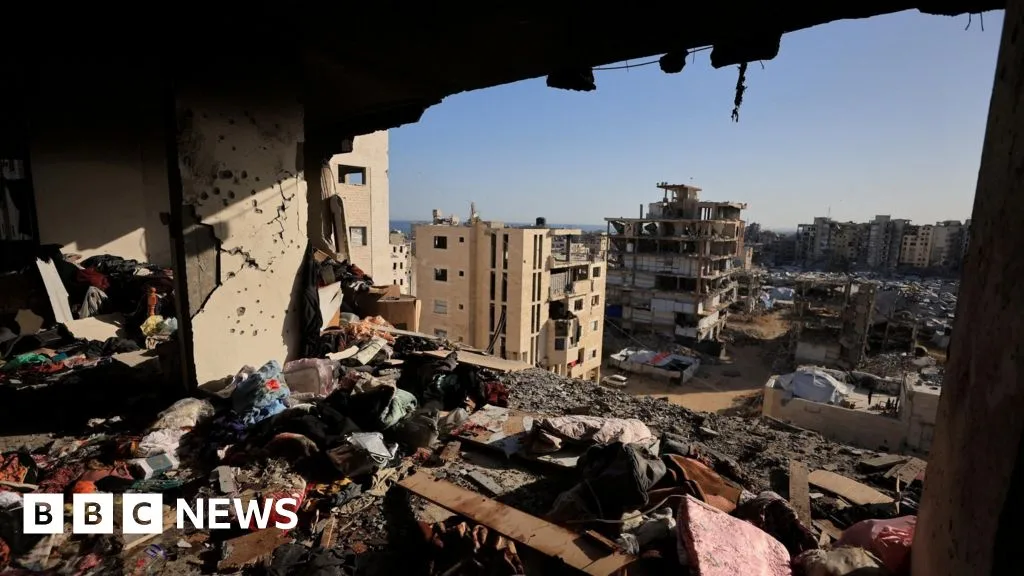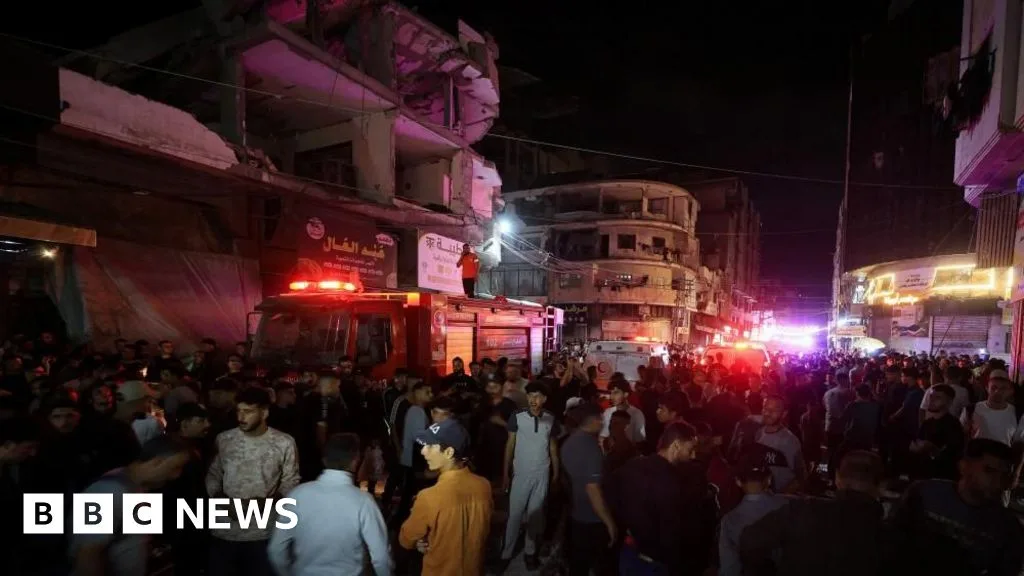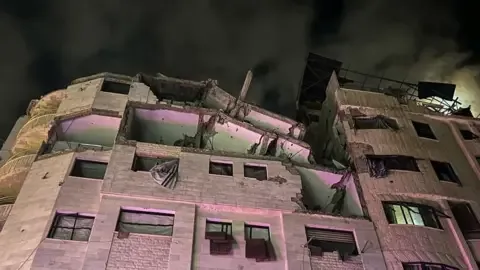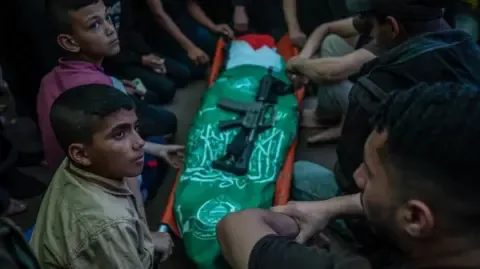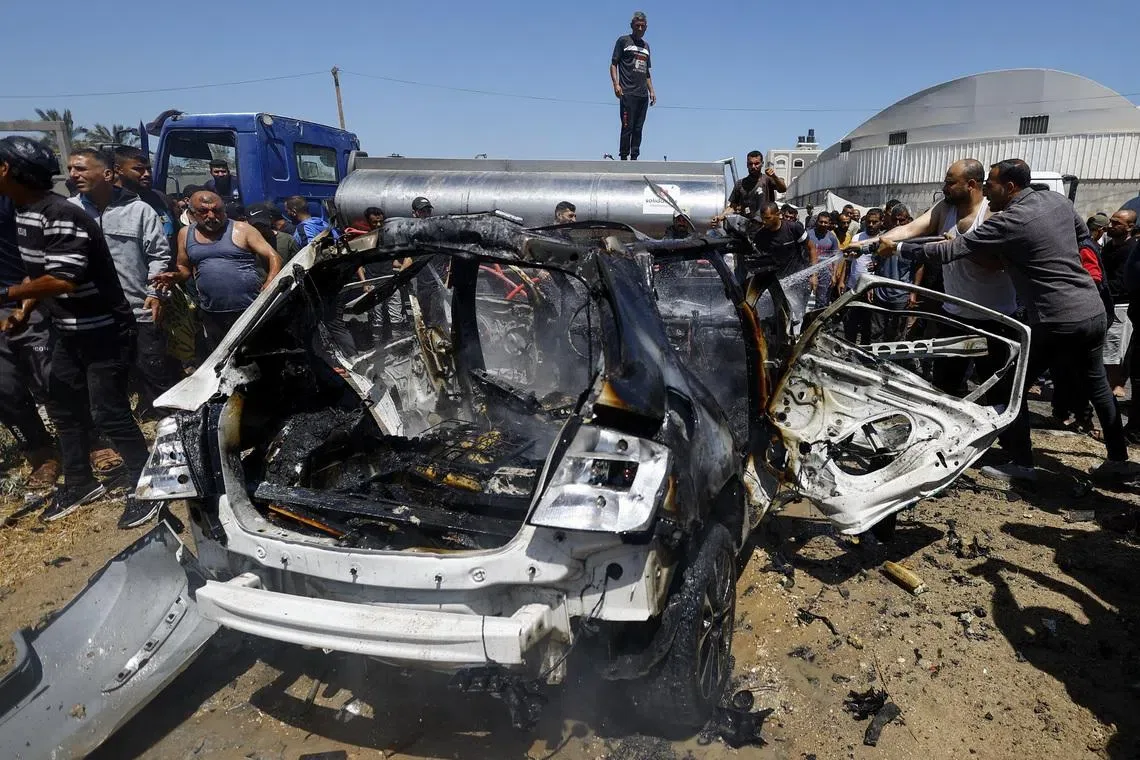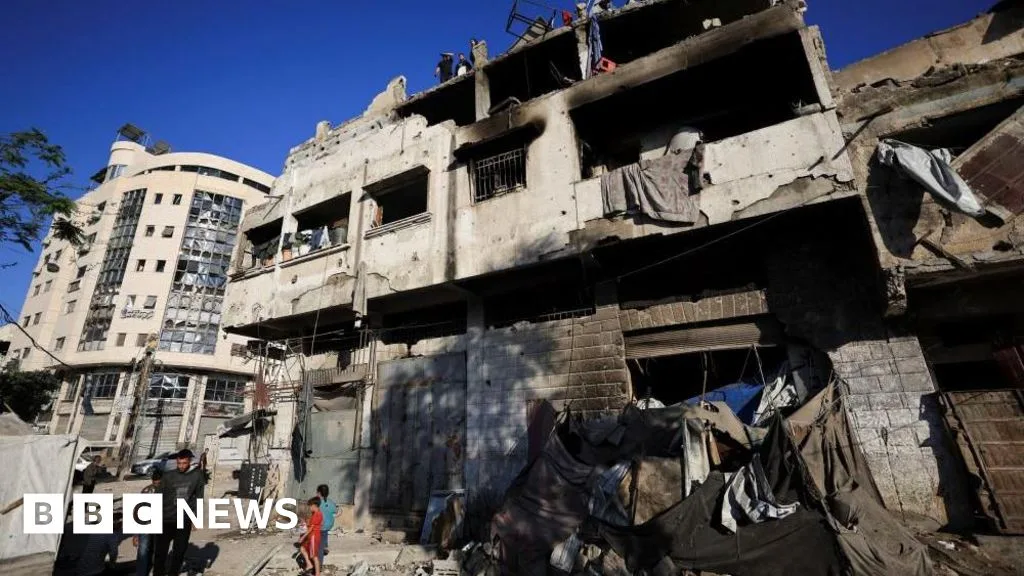
Israeli airstrikes killed at least nine Palestinians on the morning of June 4, targeting four apartments across the Gaza Strip and including five members of a single family, Gaza health officials reported [1].
The strikes are part of a series of Israeli attacks in late May and early June 2026 that have killed multiple Palestinians, including women and children, across Gaza [2, 3, 4, 5, 6, 7, 8, 9, 10, 1]. On June 3, Israeli strikes killed three Palestinians, including two brothers in Maghazi refugee camp and one man near Mughraqa [10, 11]. The day before, June 2, three Palestinians died in separate incidents throughout the Gaza Strip [9].
Earlier strikes killed 11 Palestinians in Gaza City, comprising women and children, according to medics [4]. On May 25, an airstrike in southern Gaza killed six people, including a six-year-old girl and a woman [6]. On May 24, Israeli fire killed a family of three including an infant in Nuseirat refugee camp [5].
Israeli strikes have targeted senior Hamas figures in recent weeks. Israel says it killed Hamas commanders Mohammed Odeh, Imad Asleem, and Hassan Labad along with family members in these attacks [2, 3, 4]. However, sources differ on which commanders were killed and the exact death toll. Israeli officials state the strikes aim to prevent attacks, while Hamas accuses Israel of violating the ceasefire and attacking civilians [2, 5, 6, 10, 11, 1].
Since a US-brokered ceasefire took effect in October 2023, Israeli strikes have continued inside Gaza. Gaza health officials say over 900 Palestinians—both combatants and civilians—have been killed since then, while Israeli forces lost four soldiers during this period [5, 6, 7, 8, 9, 10, 1]. The ceasefire allows Israel to control more than half of Gaza, with Hamas limited to smaller coastal areas [5, 6, 7, 8, 9, 10, 1].
Israel’s expanded control includes buffer zones near the armistice "yellow line," which the UN has criticized. Ajith Sunghay, head of the UN Human Rights Office, said "the available information raises serious concerns that the Israeli army is shooting at and killing presumed civilians simply on the basis of their proximity to the so-called yellow line, which would amount to unlawful killings and thus war crimes" [12].
Residents of Gaza describe the impact of strikes on civilians. Raslan Bajou called the attacks a "sin," while Um Azzam al-Zaim said, "We didn't know what was going on… It was difficult for us to get out of the tent" after a water tank on a roof was hit [3]. Israeli Defense Minister Israel Katz stated on social media, "We pledged to eliminate everyone who led the October 7 massacre in 2023. We pledged that Hamas will not rule Gaza civilly or militarily" [3].
Hamas officials say Israel refuses to end attacks, restricts aid and goods entering Gaza, and is expanding its occupation in violation of the ceasefire [10].
The strikes and deaths documented from late May through June 4 mark the latest escalation amid fragile ceasefire conditions. More Israeli strikes are expected as Israel continues operations targeting Hamas leaders and infrastructure in Gaza [1].