Israeli National Security Minister Itamar Ben-Gvir forcibly entered the Al-Aqsa Mosque compound in East Jerusalem on May 14, accompanied by around 620 Israeli settlers under police protection, according to reports [1, 2, 3]. Inside the compound, Ben-Gvir raised the Israeli flag and was seen dancing with right-wing Israeli occupiers, actions widely described as provocative [2, 3].
Al-Aqsa Mosque, located within the 144 dunams (144,000 square meters) of the Haram al-Sharif site, is one of Islam's holiest places and is central to Palestinian claims for East Jerusalem as their future capital [2, 3].
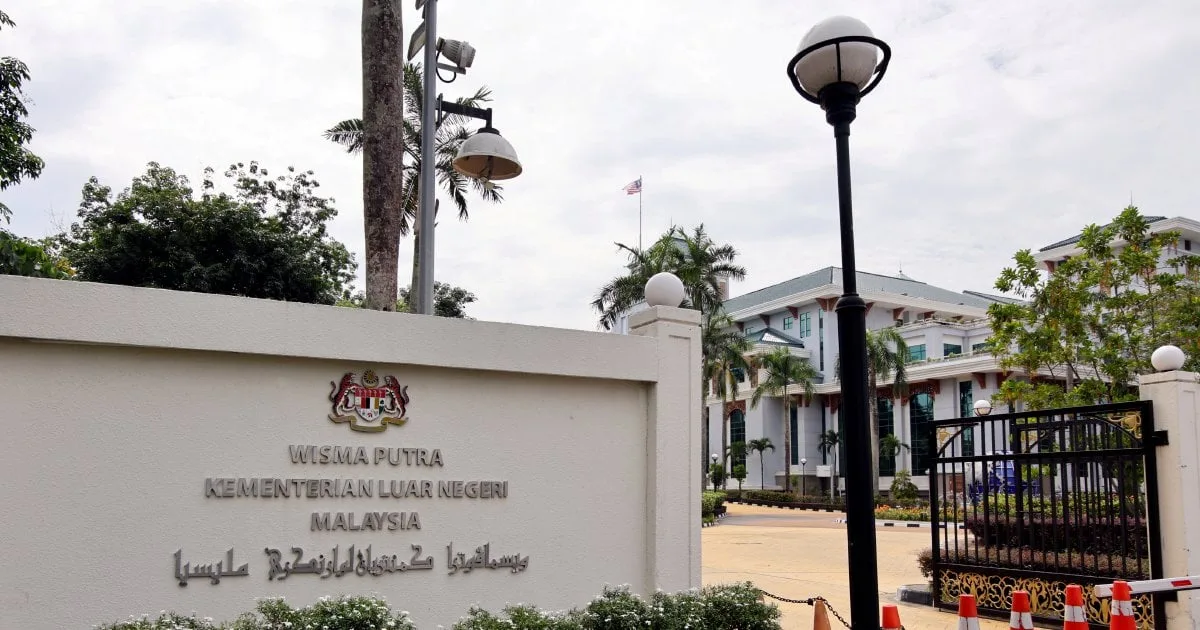
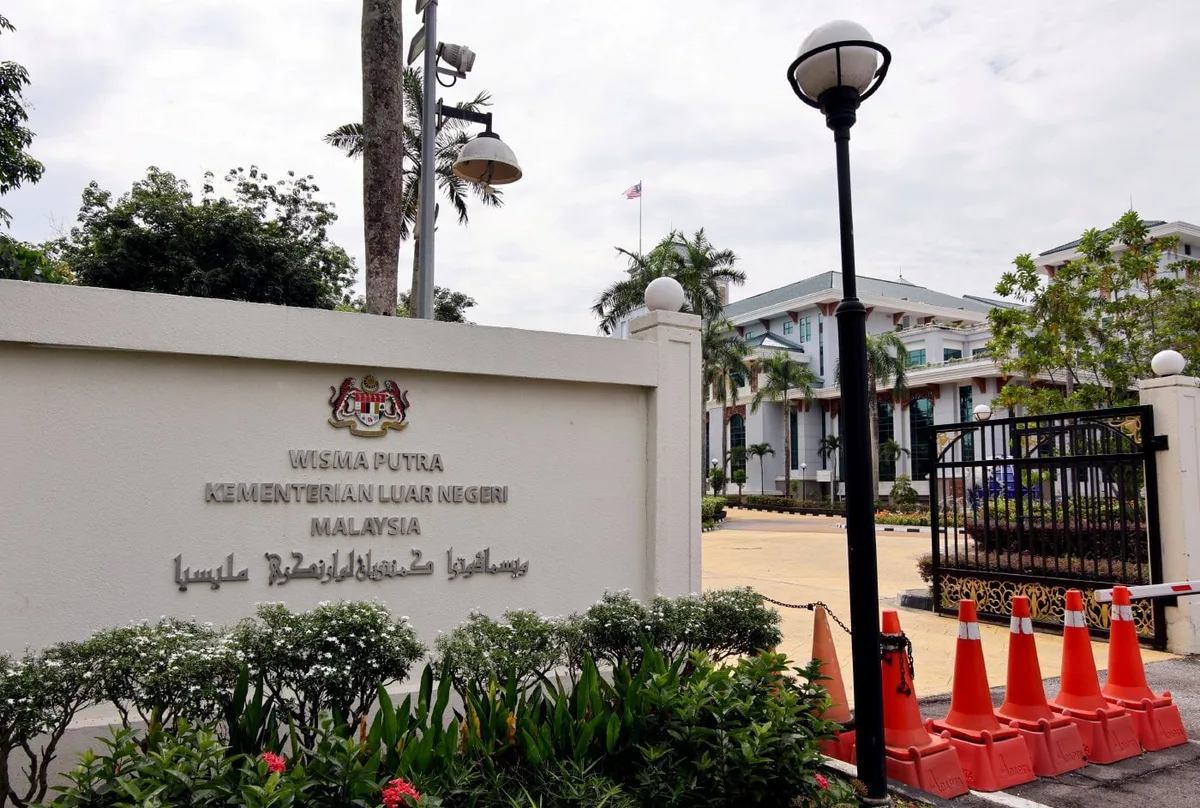
The storming drew condemnation from multiple countries. Malaysia's Foreign Ministry called the entry a "deliberate and systematic pattern of Israeli provocations in the occupied East Jerusalem aimed at entrenching illegal occupation and altering the status quo of Al-Aqsa Mosque" [4]. It urged international action to hold Israel accountable.
Türkiye's Foreign Ministry described the incident as a violation of the historical and legal status of Al-Aqsa Mosque and warned it risks heightening regional tensions. "We condemn the raid on Al-Aqsa Mosque carried out by an Israeli minister accompanied by a group of settlers," the ministry said [1].
Saudi Arabia's Foreign Ministry condemned the "provocative practices" by Israeli officials, including Ben-Gvir's storming of the mosque and raising the Israeli flag. The ministry stressed the kingdom's "categorical rejection of any actions that could undermine the historical and legal status of Jerusalem and its holy sites" and called for international accountability [2].
Palestinian authorities stated that Ben-Gvir’s actions reflect an official, systematic Israeli policy aiming to force new realities in occupied East Jerusalem and undermine the historic status quo at Al-Aqsa. The Palestinian Foreign Ministry reaffirmed full legal sovereignty over East Jerusalem and denied any Israeli sovereignty over the city or its holy sites [3].
The incident occurred amid ongoing tensions surrounding Israeli settler activities in East Jerusalem. The number of settlers entering the compound under police protection reached an estimated 620 [2].
Official responses have set expectations for further international scrutiny. Additional diplomatic reactions and potential measures towards addressing the status of East Jerusalem may emerge in the coming weeks.