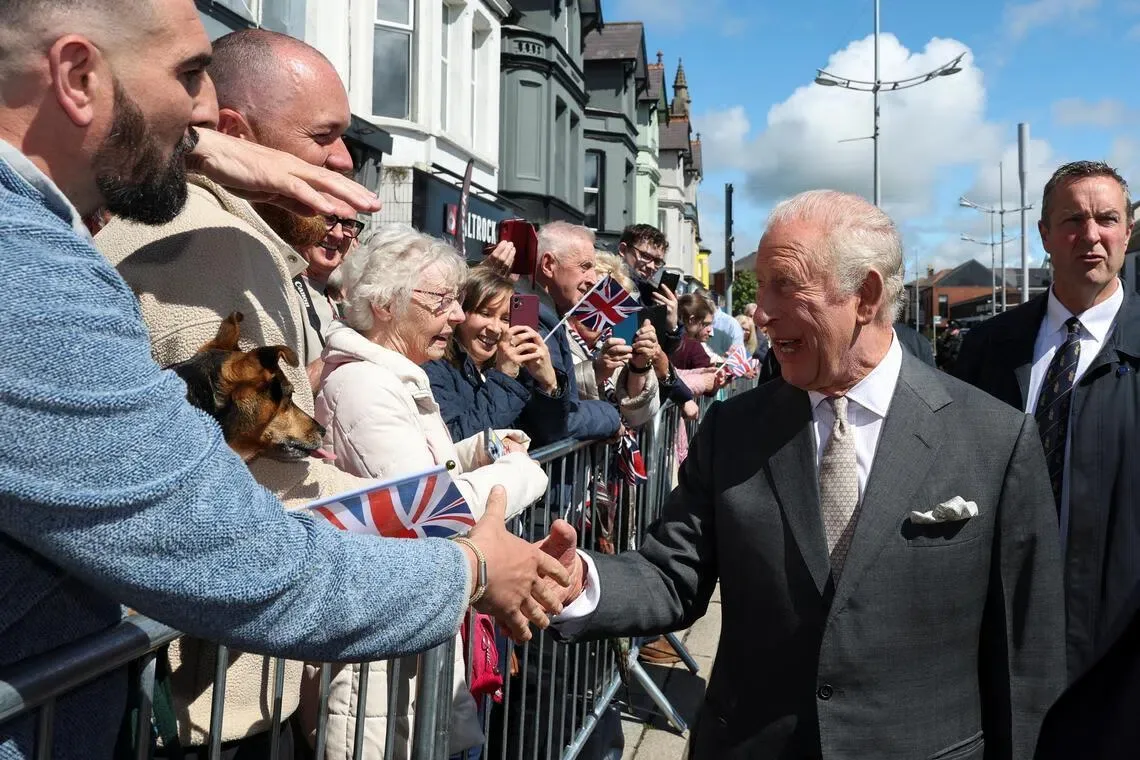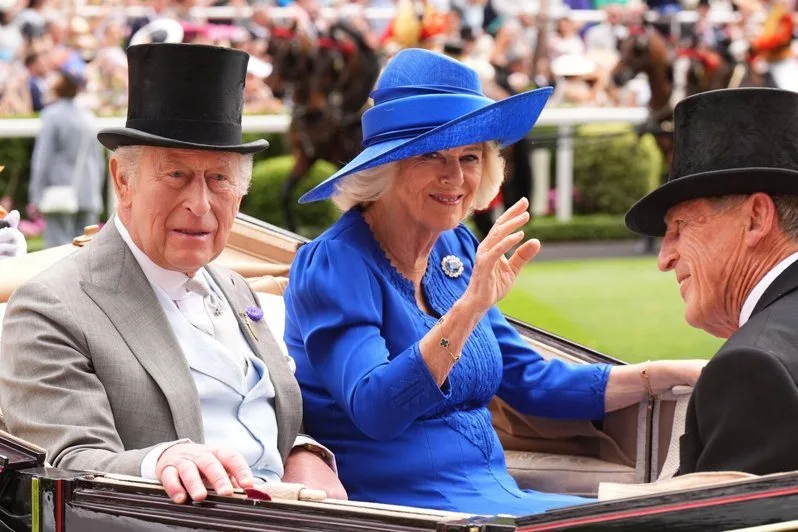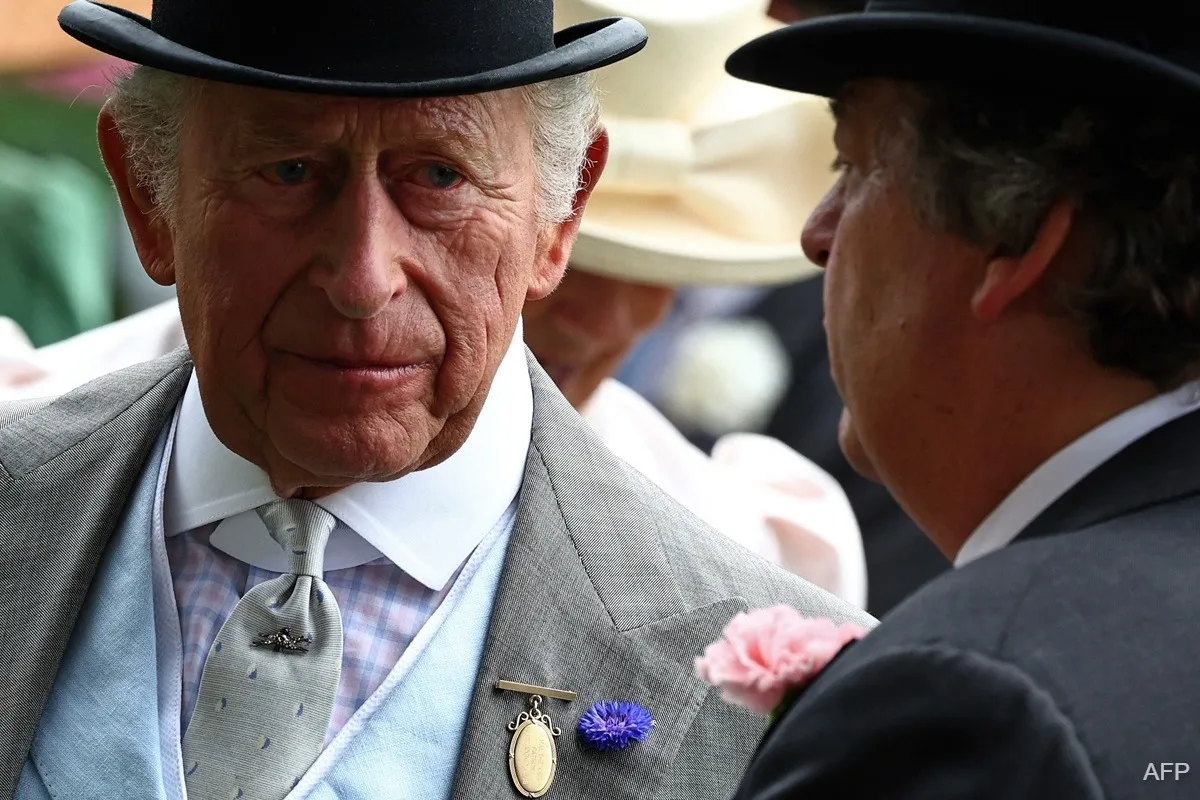
King Charles III will publish his personal tax bill for the 2024-25 financial year on June 25, 2026, becoming the first British monarch to reveal this information [1, 2, 3]. The disclosure will appear alongside the annual royal financial accounts and reports [1, 2, 3].
The decision follows the express wish of King Charles himself as part of reforms introduced since he ascended the throne in 2022. A Buckingham Palace spokesperson explained, "The decision to do so as Sovereign has come at the express wish of the King himself, as part of the adaptations carried across since accession," adding the aim "is to explain all elements of royal finances in a way that further enhances clarity and accessibility, while also placing it in its historical and constitutional context" [2]. Another spokesperson reiterated the move is "part of ongoing modernization and reform since accession" [4].
Although British monarchs are legally exempt from paying income, capital gains, and inheritance tax, members of the royal family have voluntarily paid income and capital gains taxes since 1993, beginning with Queen Elizabeth II [1, 2, 3]. Before becoming king, Charles publicly disclosed his own tax payments as Prince of Wales [1].
King Charles's private finances are largely supported by income from the Duchy of Lancaster, a private estate of land, property, and investments, which generated £26.8 million for the 2024-25 fiscal year [1, 2, 3]. This income supplements other possible sources including the Balmoral and Sandringham estates as well as private investments and savings [1, 4].
The royal family also receives an annual Sovereign Grant from the UK Treasury to cover official duties and expenses. This grant is separate from the king’s personal income [1, 2, 3]. The Sovereign Grant has recently reached record levels, partly due to palace renovations, with government review considering potential future reductions [4].
Calls for increased financial transparency have intensified amid parliamentary scrutiny following scandals related to Prince Andrew. Government auditors revealed Andrew earned private income through subletting cottages while paying symbolic rent for a mansion [2, 3].
King Charles’s son, Prince William, receives income from the Duchy of Cornwall and voluntarily pays income tax, though he does not disclose the amount paid [1].
The publication of King Charles’s personal tax bill on June 25 will be the first time a reigning British monarch has shared this data publicly, reflecting continuing efforts for financial transparency within the royal household [1, 2, 3].