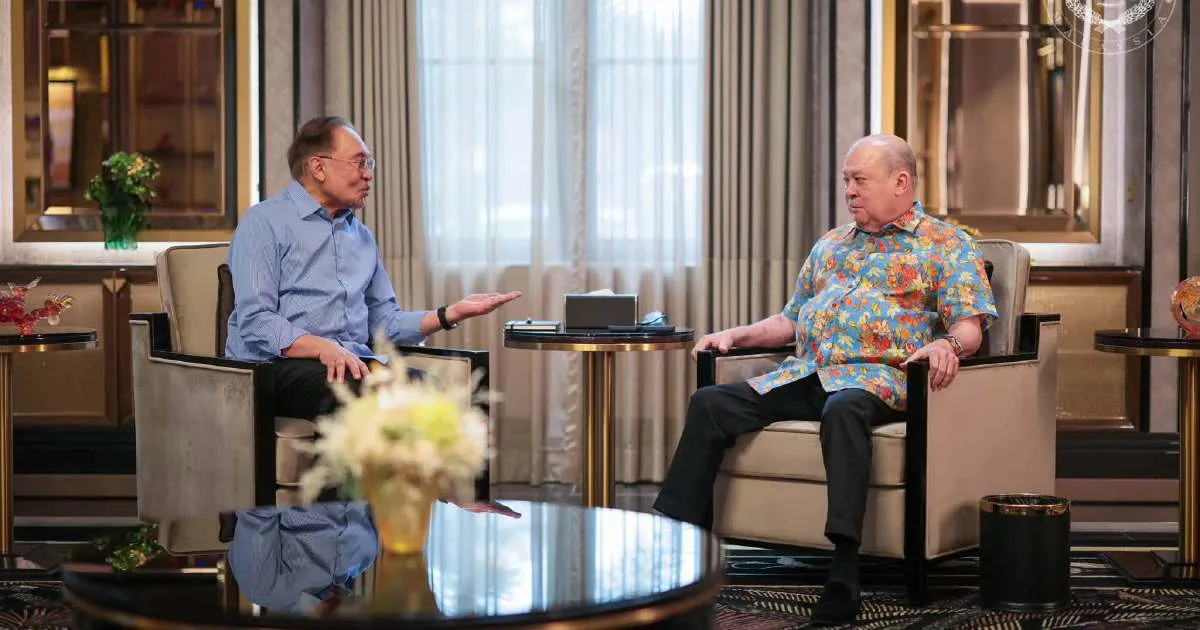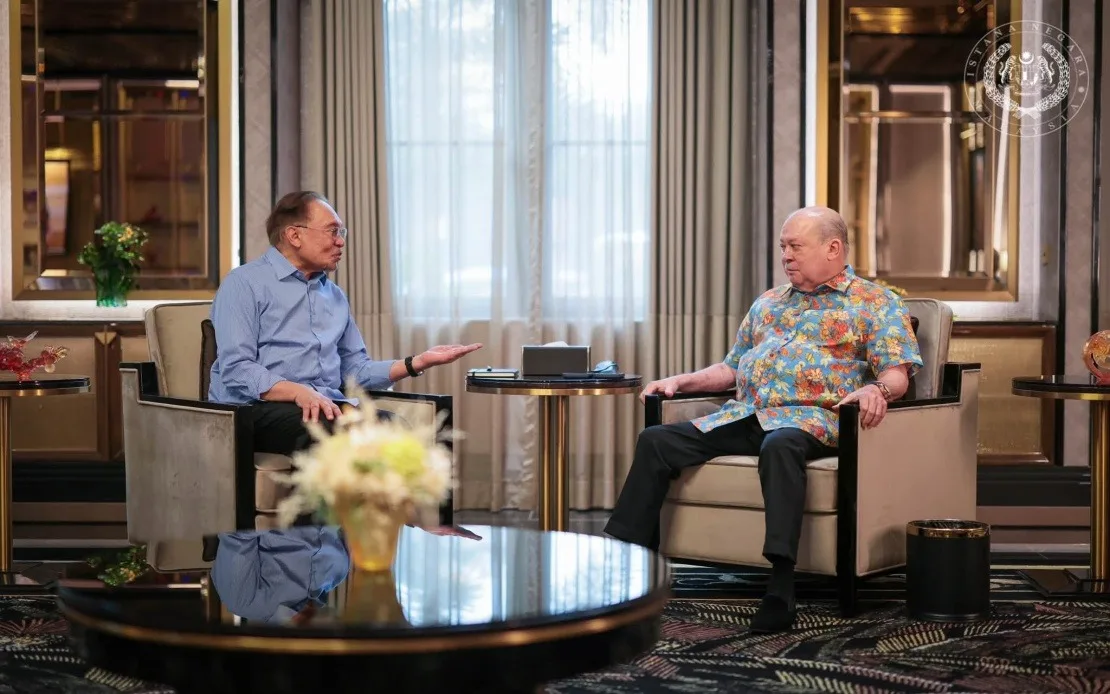
His Majesty Sultan Ibrahim, King of Malaysia, ordered authorities on August 8, 2026, to tighten security controls at all airports and entry points nationwide to curb drug smuggling and transnational criminal activities that threaten public safety [1, 2, 3, 4, 5]. The King made the call after an hour-long audience with Prime Minister Datuk Seri Anwar Ibrahim at Istana Bukit Tunku in Kuala Lumpur on the same day [1, 2, 3, 4, 5].
The directive followed increased scrutiny of aviation security after a Malaysia Airlines pilot was arrested in Indonesia for allegedly smuggling more than 70,000 ecstasy pills and testing positive for methamphetamine, MDMA, and cocaine [2]. In response, the Malaysian government deployed police alongside the Aviation Security Force at airports and mandated drug screening for all 1,260 Malaysia Airlines pilots. The screening is expected to be completed by August 15, 2026 [2].
Drug seizures linked to Kuala Lumpur International Airport surged sharply in the first seven months of 2026. Authorities confiscated 1,353.41 kilograms of drugs valued at RM108.35 million, compared with 235.36 kilograms seized during the same period last year. Arrests related to drug offenses increased from 57 to 121 during that timeframe [2].
King Sultan Ibrahim emphasized the need for continuous strengthening of security measures through “more effective enforcement, continuous monitoring and close cooperation among all relevant agencies,” underscoring the importance of inter-agency collaboration to combat the growing drug threat [3].
In addition to drug enforcement, the King called for comprehensive investigations into issues involving Lembaga Tabung Haji (TH) and the Federal Land Development Authority (Felda). He stressed that no party found guilty should escape action, saying, “Let no one escape action if they are truly found guilty. What is important is that such incidents must not happen again” [5].
Authorities are expected to complete the mandatory drug screening for all Malaysia Airlines pilots by August 15, 2026, as part of intensified aviation security measures [2].