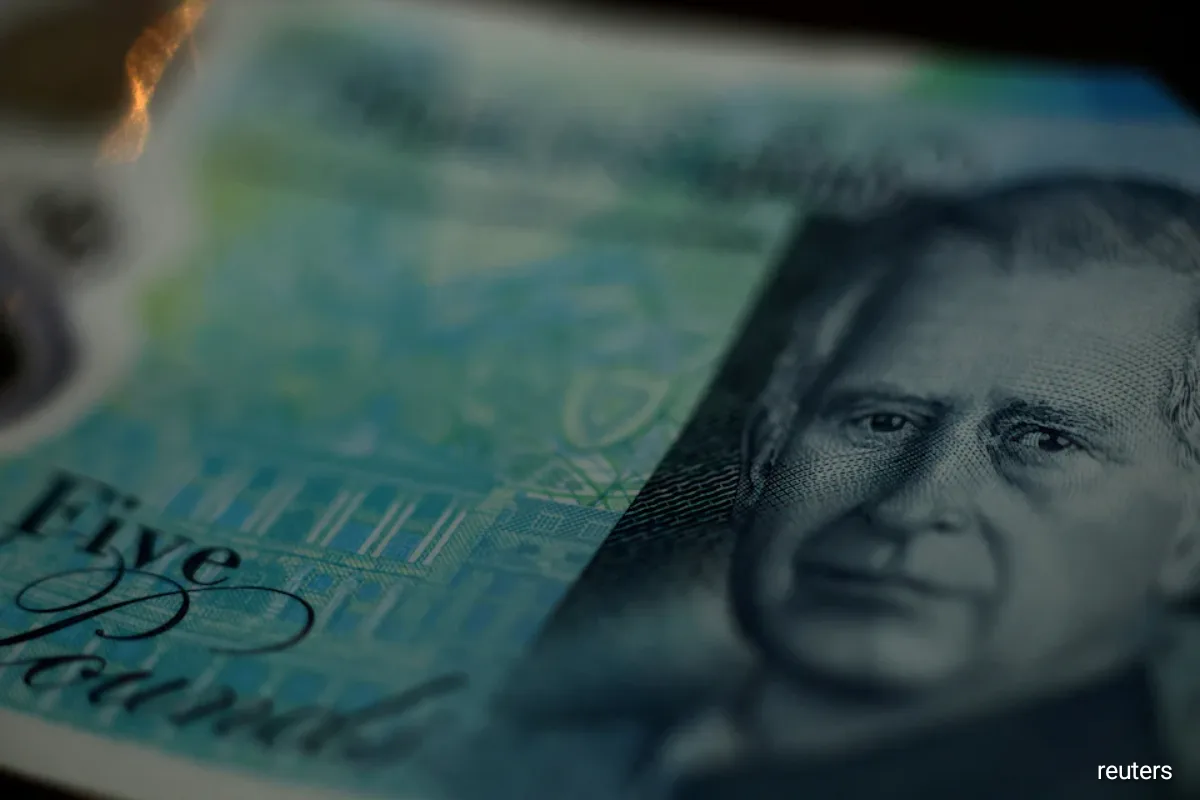
British Prime Minister Keir Starmer is under intense pressure to step down after the Labour Party suffered heavy losses in recent local elections and senior health minister Wes Streeting quit on May 14, 2026 [1, 2, 3, 4]. Streeting, who criticized Starmer’s leadership as lacking vision and direction, declared on May 16 he will stand in a Labour leadership contest to replace him [4, 5]. "It is now clear you will not lead the Labour Party into the next general election," Streeting said, calling for a wide leadership field and stating, "Where we need vision, we have a vacuum. Where we need direction, we have drift." [4] The 43-year-old centrist MP previously served as health secretary and would be the first openly gay UK prime minister candidate [6, 5].
More than 80 Labour MPs have publicly demanded Starmer resign or set a timetable for departure following the poor election showing [1, 4, 7]. Starmer, however, vows to remain in office, saying the party’s rules requiring 81 MPs (20 percent) to trigger a leadership challenge have not been met [1, 4, 7, 5]. He said he will fight any contest to remain Labour leader and prime minister [1, 5].
Greater Manchester Mayor Andy Burnham, 56, a figure from Labour’s left flank, is planning to enter a parliamentary by-election in Makerfield to become eligible to run for leader [3, 7, 6, 5]. The by-election is expected in mid-June 2026 [7, 5]. Economists say the possibility of Burnham winning leadership has unsettled markets, which fear his potentially looser fiscal policies could increase deficits [1, 3, 8]. Mohit Kumar, an economist at Jefferies, said, "Market’s fear is that Burnham would be more left leaning, and we could see further increase in deficits. Our base case is one of a managed exit for Starmer and Burnham likely becoming the next PM." [3]
UK financial markets fell amid the political turmoil and global inflation worries linked to the US-Iran war and rising energy costs [3, 8, 9]. Sterling dropped almost 2% against the US dollar to a five-week low around $1.3335 by May 15, while 10-year gilt yields rose to about 5.11% [1, 2, 3, 8]. The FTSE 100 and 250 stock indices declined, with significant selloffs in UK banks [3, 8, 9]. Investec’s chief economist Philip Shaw said, "The big question is that the markets want to know how does this leave the direction of fiscal policy. It certainly opens up a huge amount of uncertainty, but we honestly don't know yet." [2]
The coming weeks will be critical as the Labour Party determines whether enough MPs support a formal leadership challenge. For his part, Wes Streeting formally entered the contest on May 16, signaling the deepening party leadership crisis [5]. The Makerfield by-election in mid-June will also be watched closely as a pathway for Andy Burnham to join the race and potentially shift Labour’s direction [7, 5].