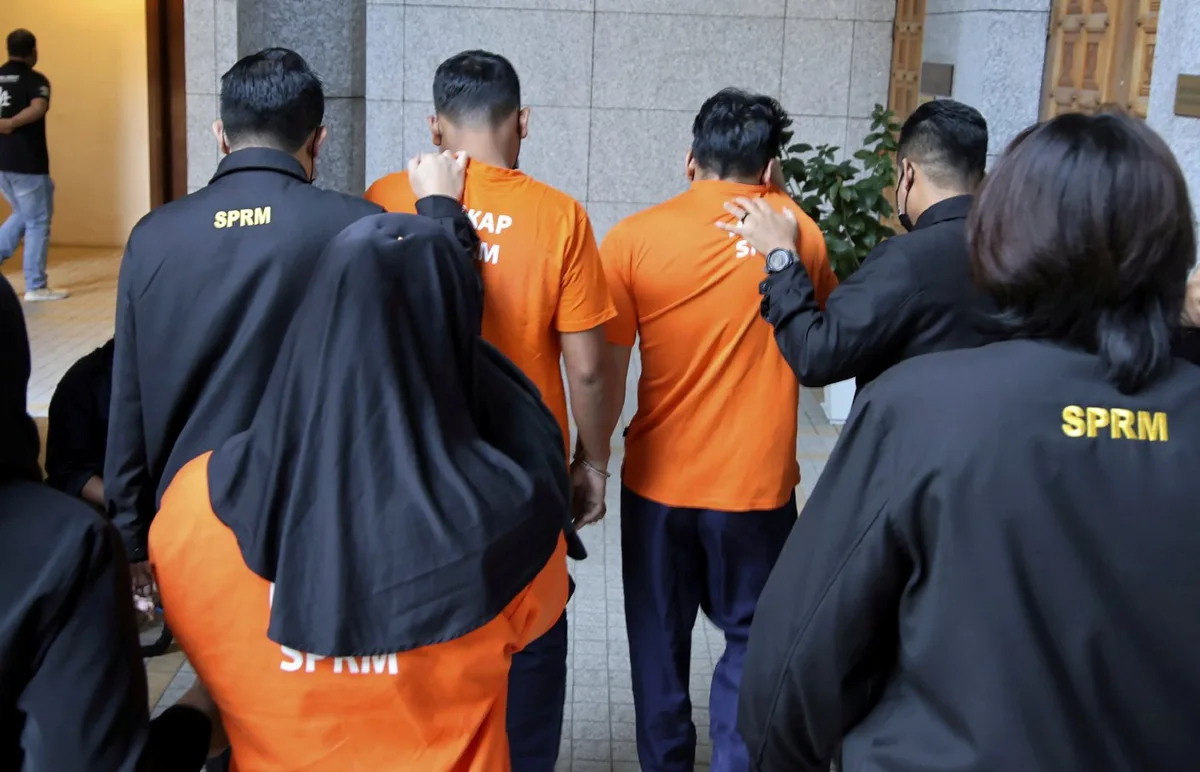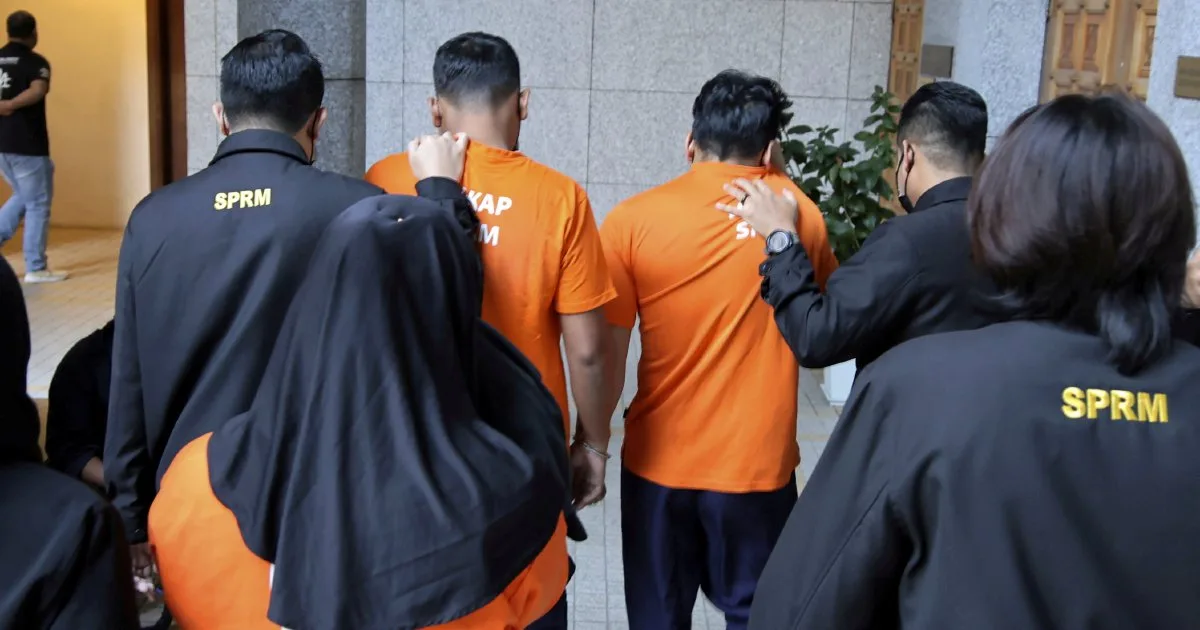
The Malaysian Anti-Corruption Commission (MACC) suspended, with immediate effect, the practice of requiring persons under investigation to wear its distinctive orange uniform when brought to court for remand proceedings. Instead, suspects are now allowed to wear their own clothes during court appearances, while the orange uniform remains mandatory only during detention in the lock-up [1, 2, 3, 4].
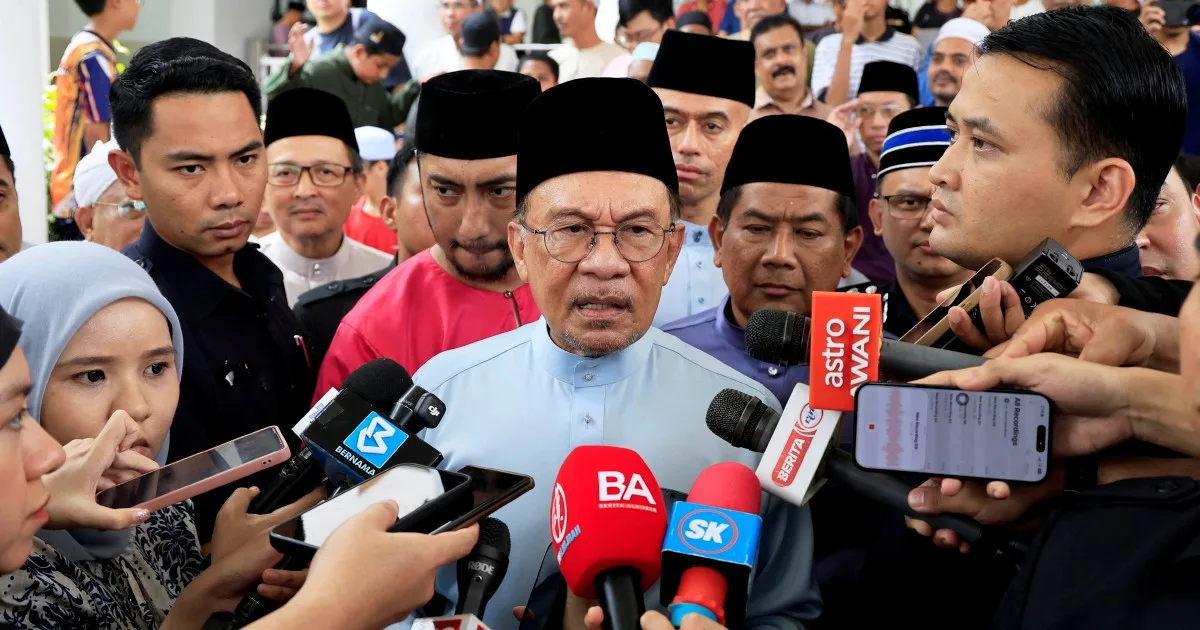
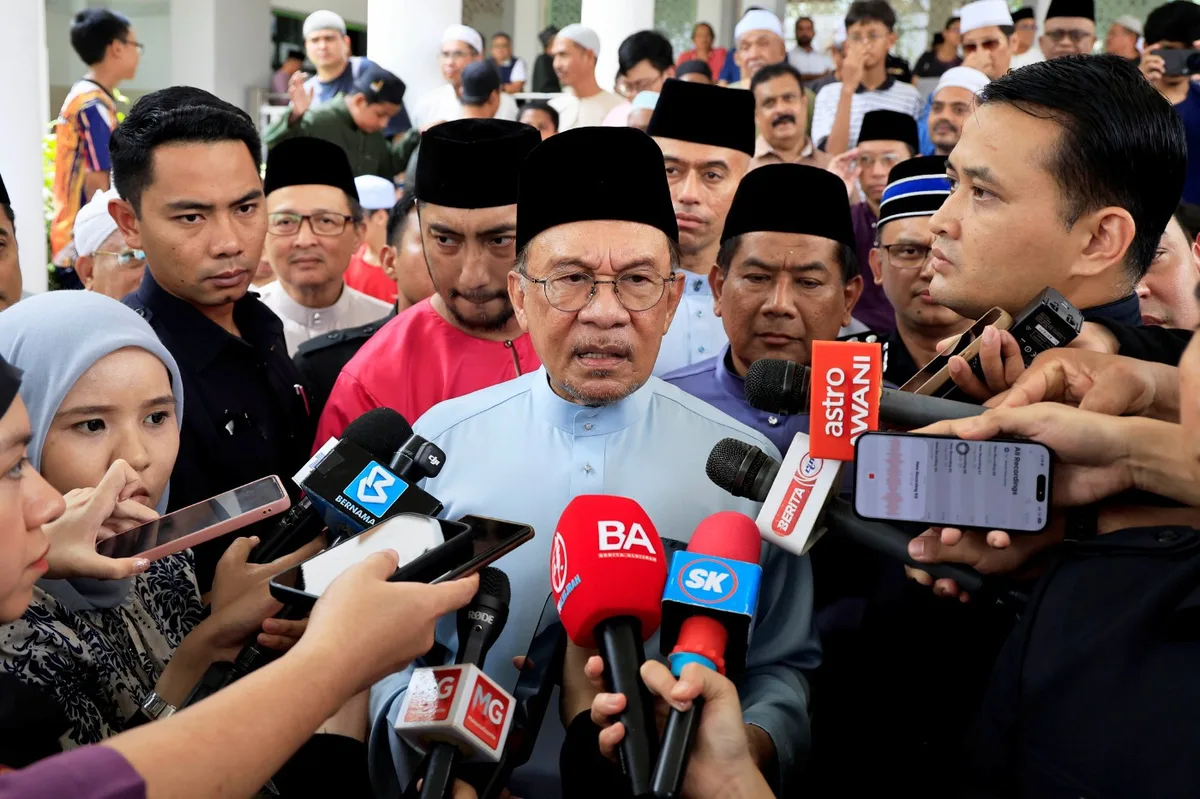
Prime Minister Datuk Seri Anwar Ibrahim conveyed the policy change on September 3, 2026, allowing political leaders and others cooperating with investigations to appear in court without the orange uniform before any formal charges are laid [5, 1, 6, 3, 4]. Anwar explained the move was intended to avoid "negative public perception of suspects who cooperate." He stated, "If you want to investigate, investigate first. If there is a case to be charged, I leave it to the enforcement authorities to decide what colour uniform should be worn. For now, I respect the view because there are people who... cooperate with the investigation, so there is no need for them to be made to wear orange, as it would create a different perception" [5].
The no-orange-uniform policy applies broadly to all suspects, not just political figures, affirming the principle of presumption of innocence before prosecution [6]. The MACC will continue to enforce security precautions during investigations. The use of handcuffs will depend on each case's circumstances, with exemptions made for the infirm, persons with disabilities, children, and senior citizens, according to MACC officials [1, 2, 3, 4].
Anwar also reiterated that investigations should proceed only when there is evidence, adding, "If there is no evidence, release them" [4]. He stressed unity across Malaysia's diverse communities, saying, "This is not about race. Whether Malay, Chinese, Indian, or people from Sabah and Sarawak, this is about saving the country..." [6].
On September 4, 2026, the MACC officially announced the suspension of the orange uniform rule during court remand processes, marking the first application of the new policy [1, 2, 3, 4].