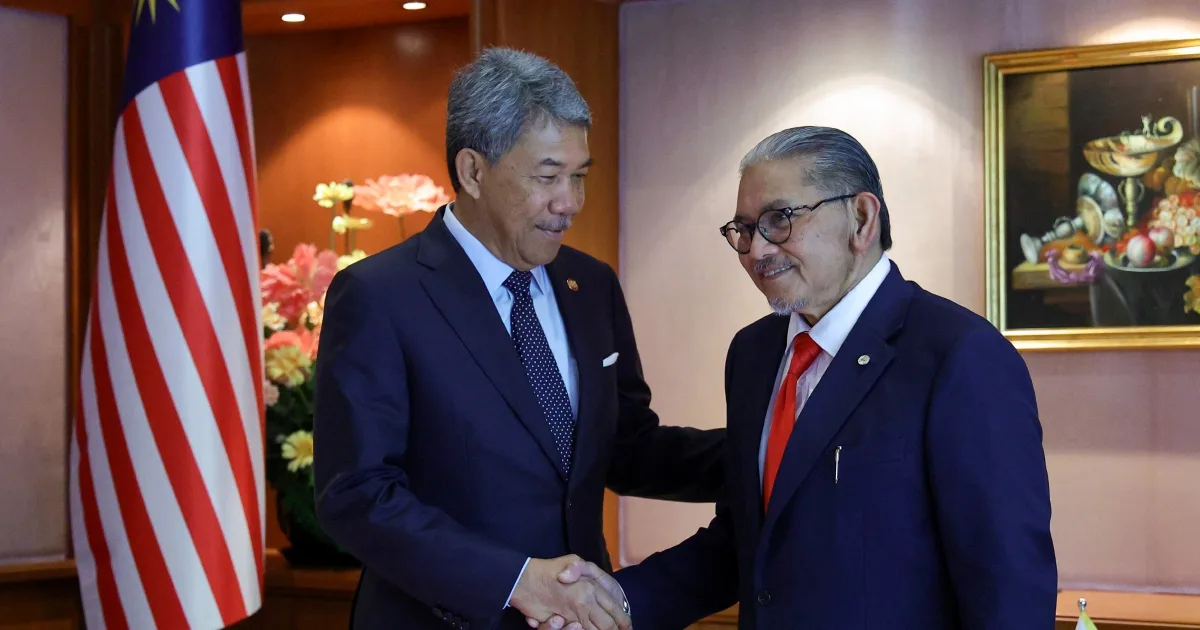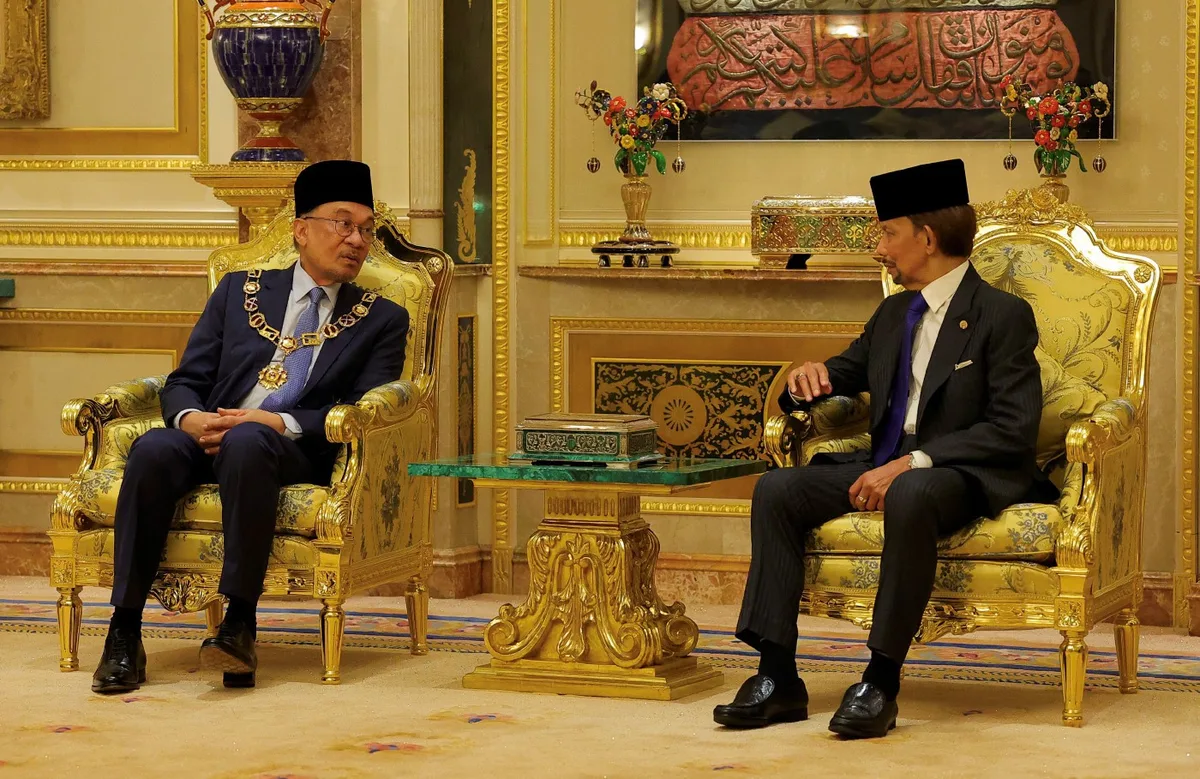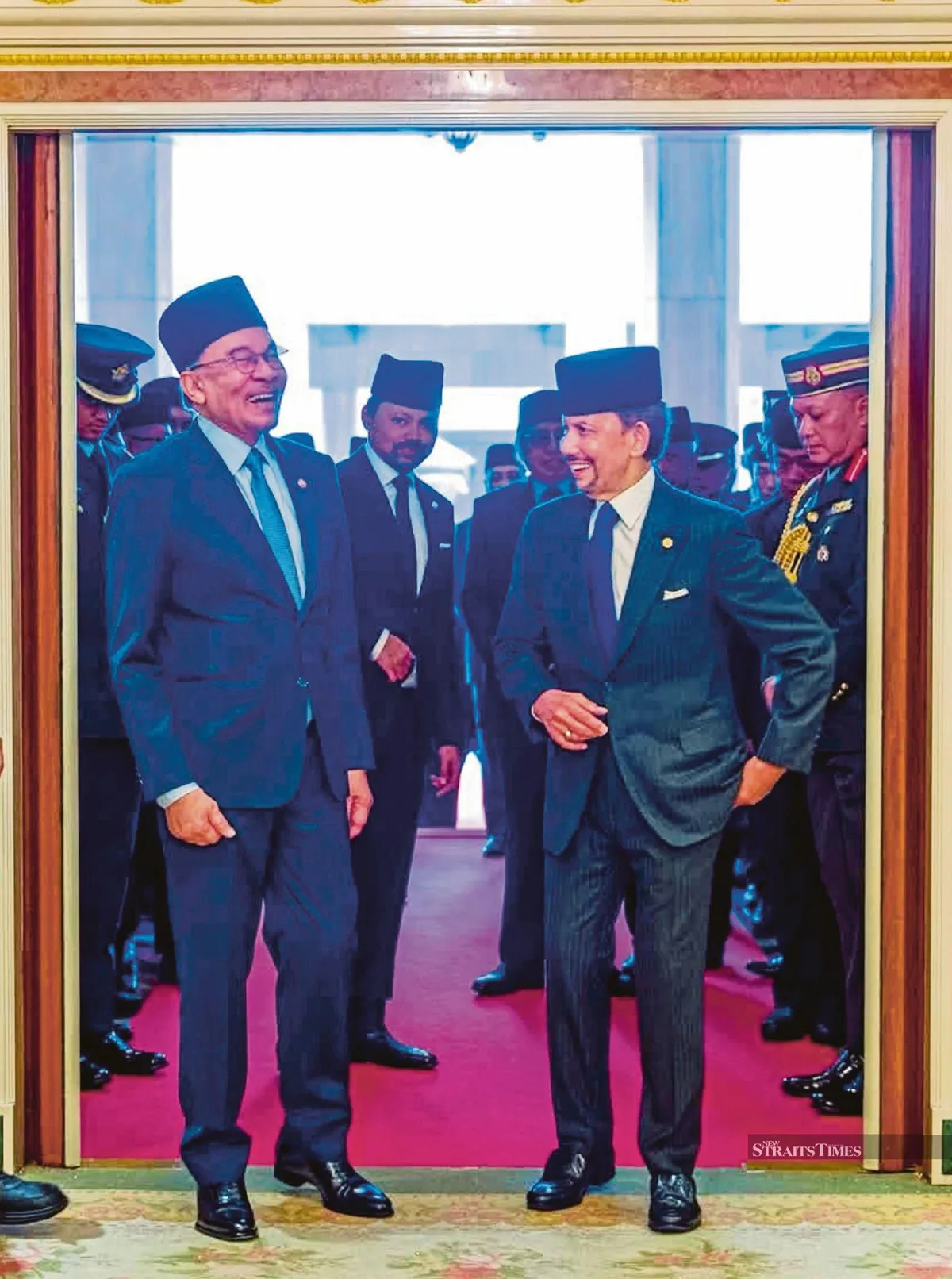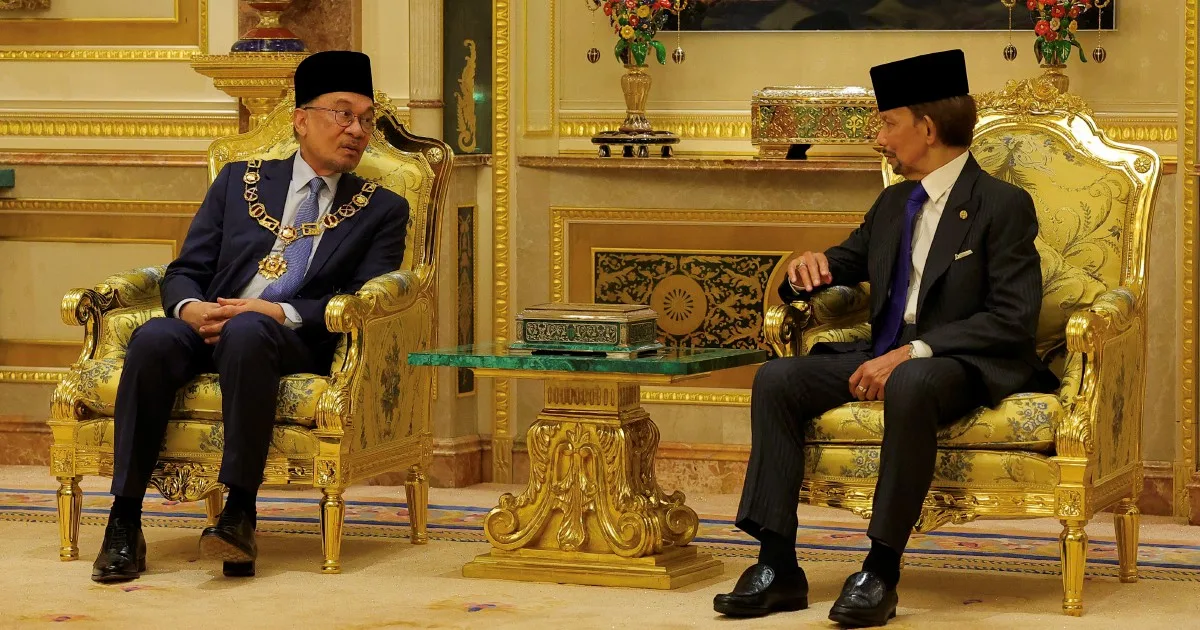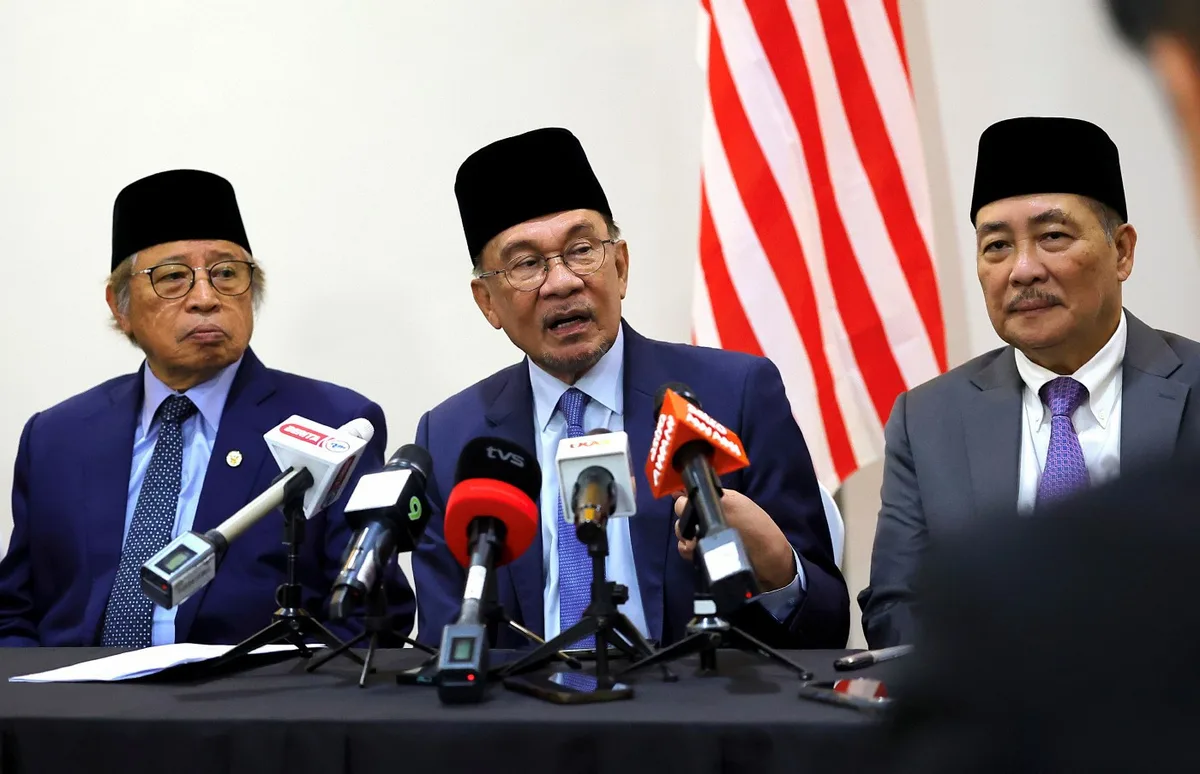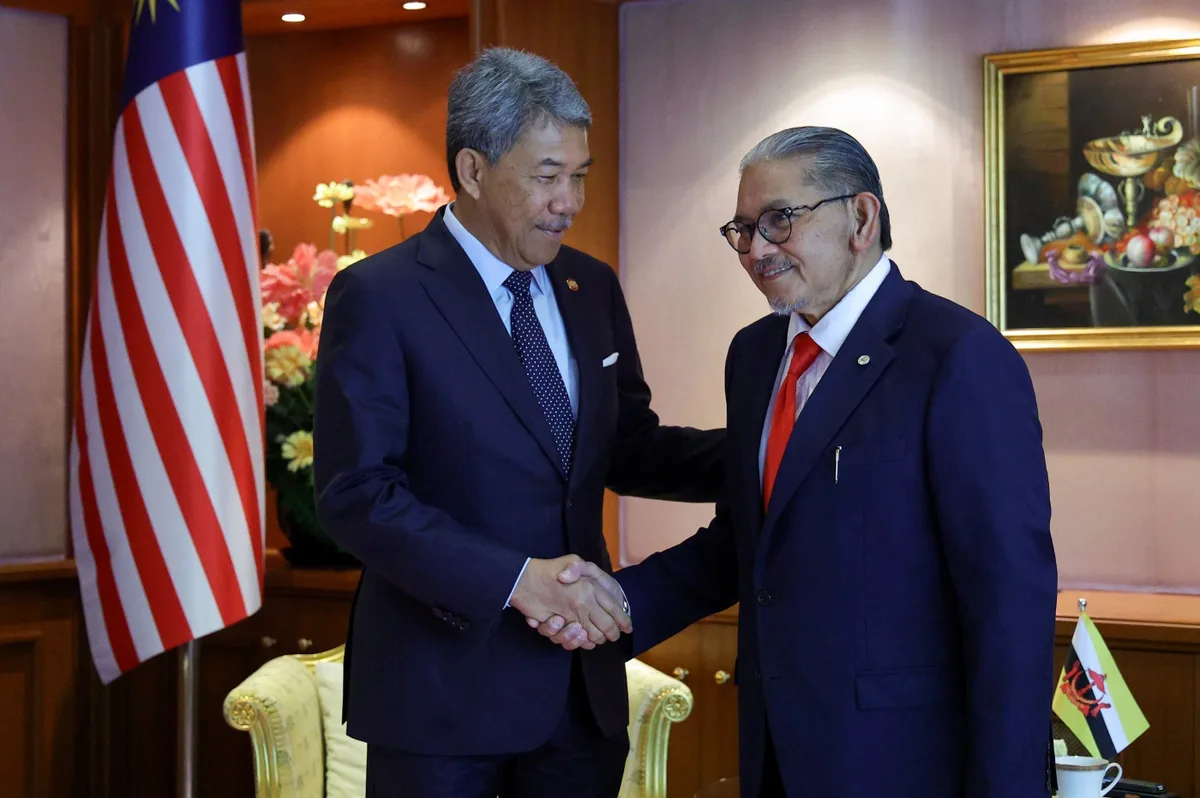
Malaysia and Brunei met on August 22, 2026, in Bandar Seri Begawan for their 27th Annual Leaders' Consultation to discuss broad bilateral cooperation across security, economic, and boundary issues [1, 2, 3, 4, 5, 6, 7, 8].
The two countries agreed to further strengthen their cooperation to resolve land and maritime boundaries, border management, immigration, trade and investment, disaster management, security, military ties, and search and rescue operations [1, 2, 3, 4, 5, 8]. About 50 percent of their land boundary, measuring approximately 264.8 kilometers, has already been jointly surveyed and demarcated, according to officials [1, 2, 8]. Datuk Seri Mohamad Hasan said the existing border is established but requires demarcation adjustments "because there are various circumstances and factors on the ground" to be aligned with the 2009 Terms of Reference and technical committee reports [1].
The leaders set a deadline of May 31, 2027 to resolve and demarcate the Sector F-G portion of the boundary using the watershed principle, aiming to complete the entire boundary survey and demarcation by 2034 [8]. Datuk Seri Anwar Ibrahim noted that "some 50 per cent has been resolved" but certain remaining issues need further consideration to ensure both Malaysia's and Brunei's rights are recognized based on law and boundaries [2].
Security cooperation was discussed, including measures to combat smuggling and improve intelligence sharing between agencies [3, 8]. Both countries agreed to deepen military ties with expanded training exchanges and collaboration under ASEAN defense mechanisms [5]. Their armed forces already cooperate through exchanges and missions, such as under the UN Interim Force in Lebanon (UNIFIL) [5].
On cross-border movement, Malaysia and Brunei highlighted plans to simplify procedures by reducing repetitive inspections and exploring a single checkpoint between Brunei and the Malaysian states of Sarawak and Sabah [2, 4, 8]. Economic integration efforts include major infrastructure projects across Borneo, such as the Trans Borneo Highway, Northern Coastal Highway, and road links connecting key towns to boost connectivity and tourism [4, 8].
The two sides reaffirmed their commitment to ASEAN unity, peace in the South China Sea, freedom of navigation, and dispute resolution based on international law including UNCLOS [6, 7]. The leaders expressed concern over rising tensions in West Asia and called for restraint, respect for sovereignty, and dialogue to resolve conflicts [7]. Sultan Hassanal Bolkiah and Datuk Seri Anwar Ibrahim jointly urged all parties "to exercise restraint" and "return to dialogue and diplomacy" to end hostilities [7].
Energy cooperation between Brunei and Sarawak was also emphasized, covering oil and gas, electricity, energy transition, and the Brunei-Sarawak power interconnection project under the ASEAN Power Grid [4, 8]. A memorandum of understanding on disaster management cooperation was renewed during the meeting [3].
The next key deadline is May 31, 2027, for joint resolution and demarcation of the Sector F-G land boundary segment, continuing steps toward full boundary demarcation by 2034 [8].