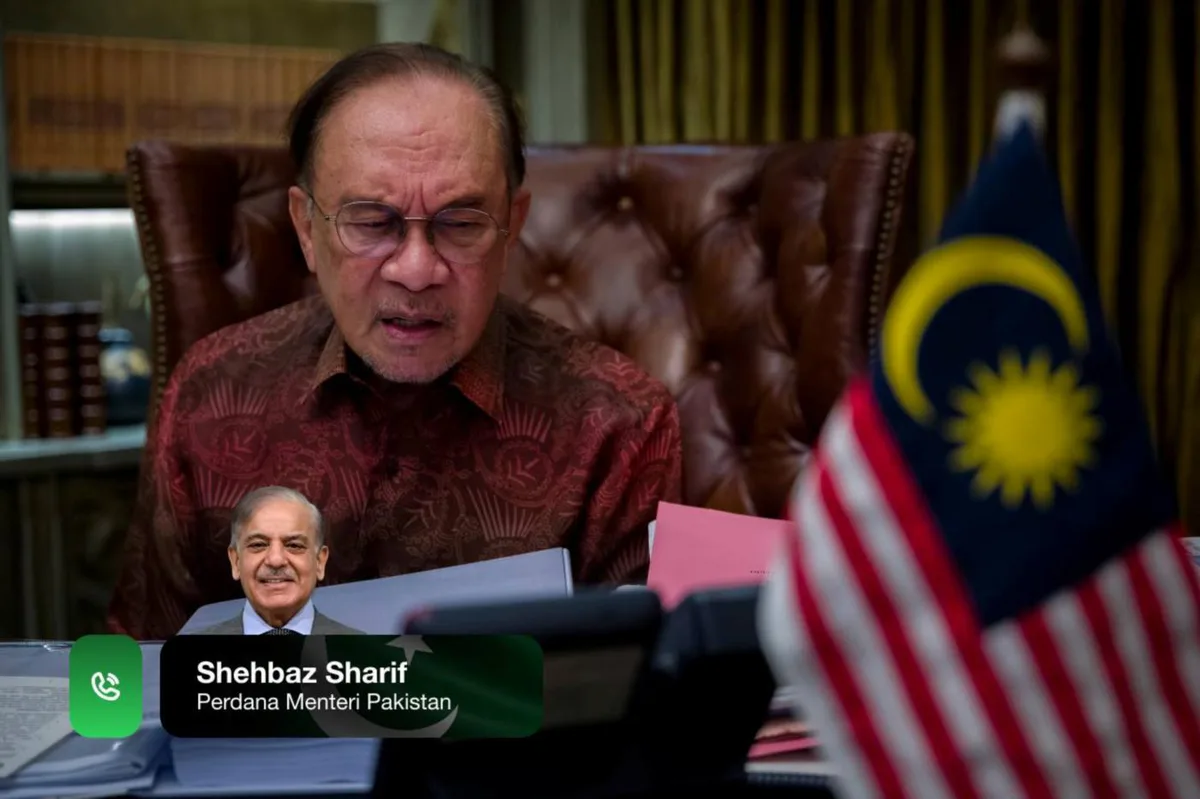
Malaysia and Pakistan reaffirmed their commitment to strengthening long-standing bilateral relations during recent talks between their leaders and officials [1, 2, 3, 4]. Malaysian Prime Minister Anwar Ibrahim said, "During a phone call with my counterpart from Pakistan, Shehbaz Sharif, we discussed various regional developments and efforts to strengthen the long-standing Malaysia-Pakistan bilateral relations" [1].
Discussions covered Pakistan’s ongoing role mediating negotiations between Iran and the United States. Malaysia expressed strong appreciation for Pakistan’s efforts to foster dialogue [1, 2, 3, 5, 4]. A State Department spokesperson quoted US Secretary of State Marco Rubio thanking Pakistan for its "constructive role" in supporting peace efforts and mediating with Iran [5].
The leaders also discussed positive developments toward reopening the Strait of Hormuz, a vital chokepoint for regional trade and security [1, 2, 3, 4]. Malaysia’s prime minister emphasized the importance of resolving disputes through peaceful means, diplomacy, and dialogue [1, 2, 3, 4].
The worsening humanitarian situation in Gaza and Lebanon was another topic. Both countries agreed on the need for international action to halt violence against civilians [1, 2, 3, 4]. Pakistan’s Deputy Prime Minister and Foreign Minister Ishaq Dar reaffirmed Islamabad’s commitment to a Palestinian state as a prerequisite for any change in its stance toward Israel, saying, "Any shift in the stance toward Israel would depend on the creation of a Palestinian state" [6].
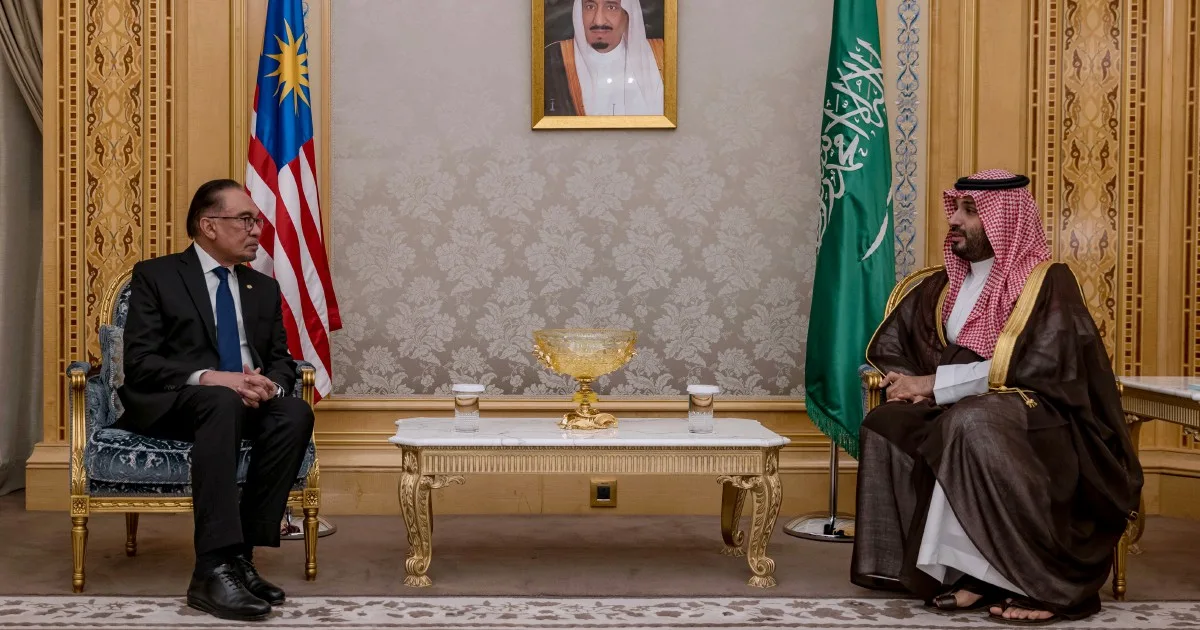
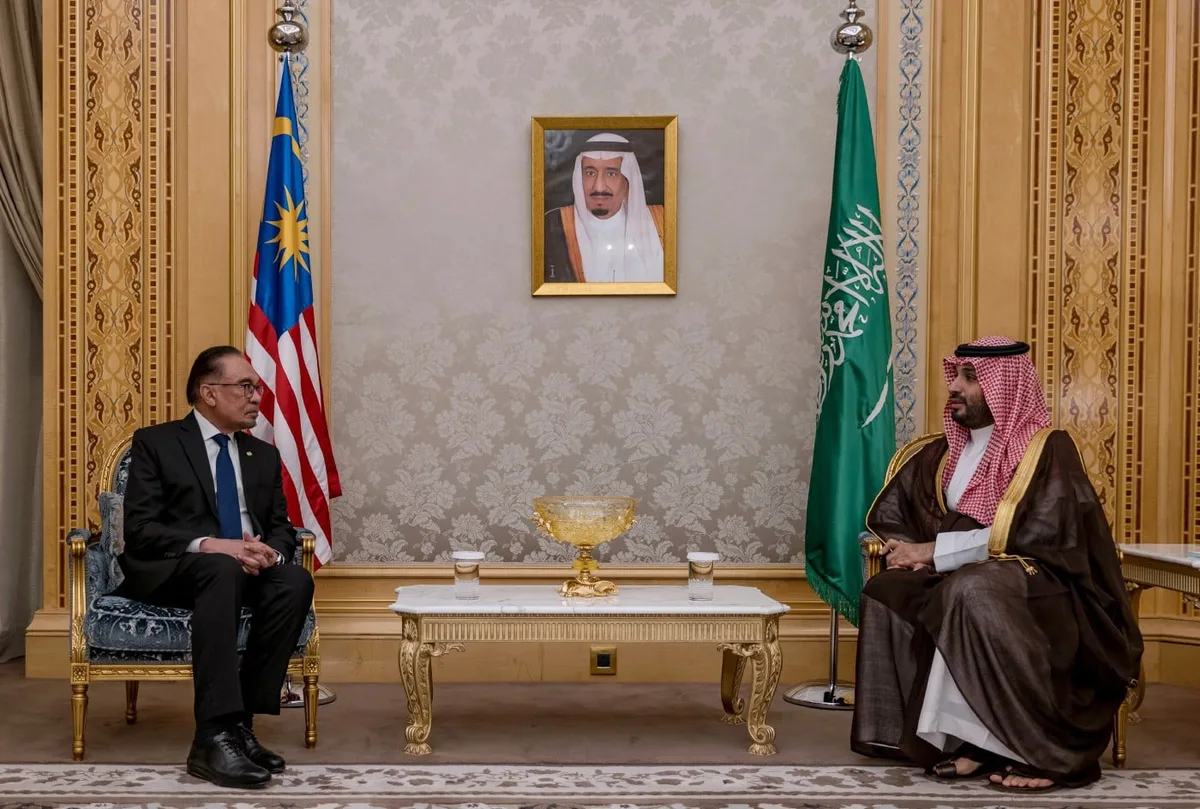
Meanwhile, Prime Minister Anwar said Malaysia has sufficient crude oil and diesel supplies, noting wise economic management despite global challenges [7]. Saudi Crown Prince Mohammed bin Salman sent a personal text to the Malaysian prime minister assuring continued strong ties between the two countries, which Anwar said gave "a lot of confidence to continue and focus on the development of this country" [8, 7].
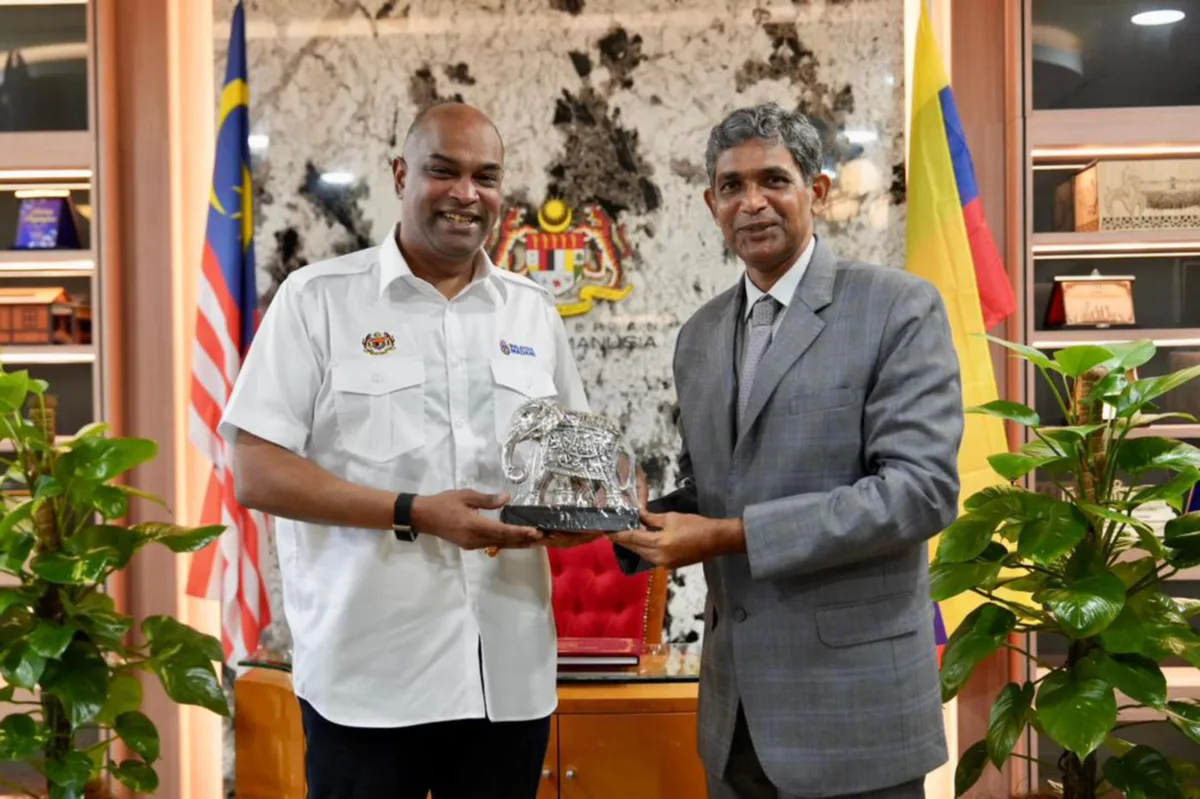
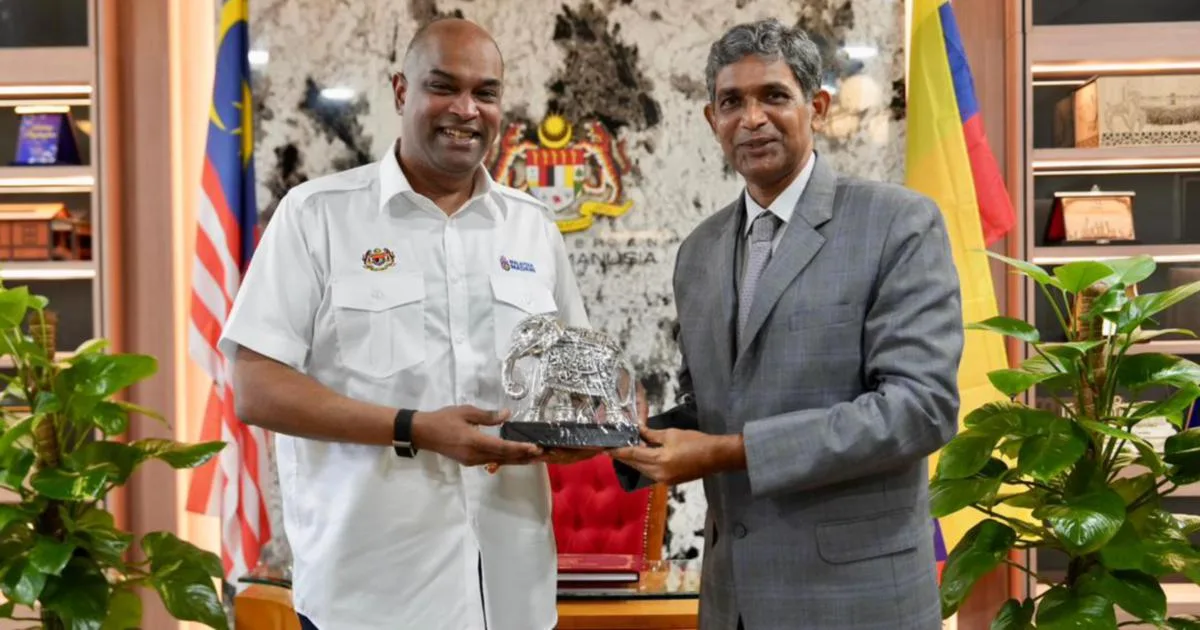
Separately, Malaysia’s Human Resources Minister R. Ramanan praised the outgoing Indian High Commissioner B.N. Reddy for strengthening bilateral relations during a May 27 meeting, reflecting Malaysia’s broader regional diplomatic outreach [9]. The prime minister also affirmed Malaysia’s commitment to broadening strategic cooperation with India for mutual benefit and regional progress [9].
On May 29, Pakistan’s Ishaq Dar met US Secretary of State Rubio in Washington to discuss mediation efforts and regional security in person, reinforcing Pakistan’s diplomatic role in the region [6, 5]. The prime minister’s conversation with Pakistan’s Shehbaz Sharif on May 28 focused on Iran-US talks, bilateral relations, and regional developments [3, 4].