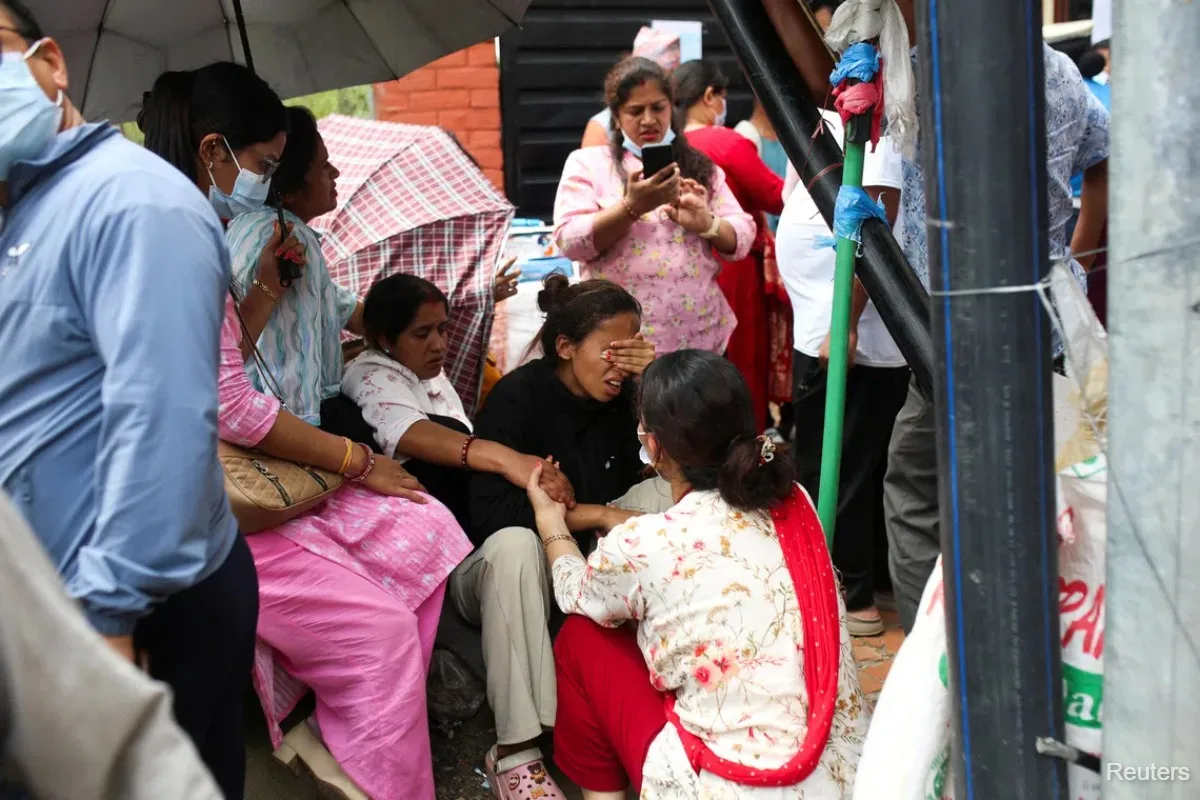
Massive floods triggered by a glacier collapse struck Nepal's Rasuwa and Nuwakot districts on August 26, killing over 1,380 people and leaving more than 5,500 missing [1, 2]. As of early September, at least 55 Malaysians remain uncontactable following the disaster [3, 4, 5, 6, 2].
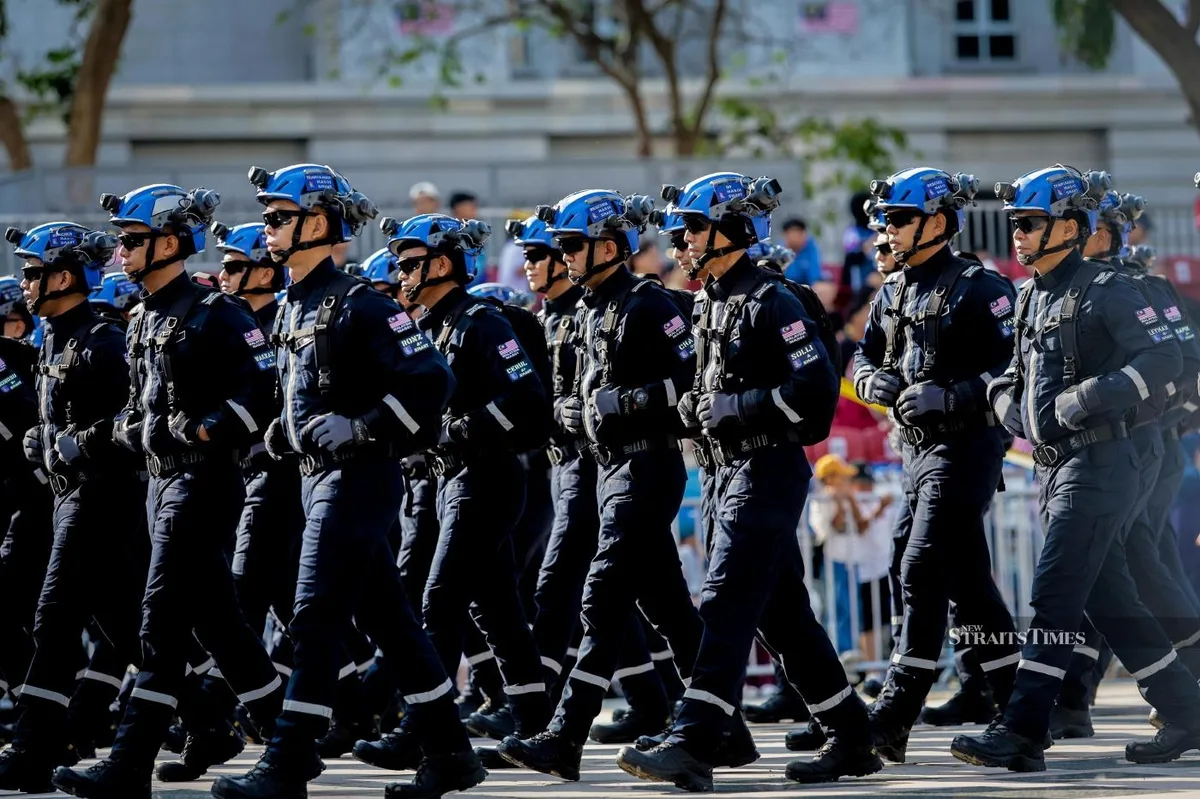
Malaysia deployed its Special Malaysia Disaster Assistance and Rescue Team (SMART), consisting of 11 members, to Nepal on September 5 to assist in humanitarian aid and search and rescue operations [3, 4, 7, 8, 9, 5, 6, 10]. The team departed from Subang Air Base aboard a Royal Malaysian Air Force A400M aircraft loaded with 12.4 tonnes of rescue equipment. This included drones, communication gear, tunnel rescue equipment, and vehicles [7, 8, 9, 5, 6, 10].
National Disaster Management Agency director-general Datuk Meor Ismail Meor Akim said, "Our mission is very clear: it is a humanitarian mission. We are also bringing specialised equipment to prepare for tunnel rescue operations, as well as communications, medical and health equipment" [6]. SMART's operations prioritize locating missing Malaysians by focusing on their last known locations, with an expected deployment of 7 to 10 days [4, 5, 6, 2, 10].
Malaysia is also providing US$1 million in humanitarian aid to Nepal to support relief and recovery efforts [3, 4, 6]. Meanwhile, 77 Malaysians found safe in Tibet and Nepal have been brought to Kathmandu for repatriation [3, 6, 2]. Malaysian authorities continue DNA sample collection for identifying missing persons and coordinate with Chinese officials regarding Malaysians possibly in Tibet [4].
United Sikhs Malaysia sent a five-member volunteer team to assist vulnerable families and help locate missing Malaysians [2]. Legal director Raspreet Kaur said, "Our immediate objective is to reach vulnerable families, particularly in underserved and difficult-to-access areas, and provide practical humanitarian assistance to protect them from further hardship" [2].
Families of missing Malaysians expressed relief and hope with the SMART team's deployment. Muhammad Firas Shah Shabuddin said, "I feel a bit happy because it's been a week or more of waiting without any development. I really hope my father is safe, and that our team (SMART) can be deployed" [11]. Jamaliah Tengku Ismail added, "I don't know what else to say. I have no answer other than to keep praying... We cannot give up until God shows us otherwise" [10].
Nepal marked a national mourning day on September 7, the 13th day after the floods, as search and rescue continued in Nepal and Tibet with survivors recently pulled from tunnels and buried houses [1]. The SMART team is expected to remain in Nepal for up to 10 days to continue their mission [5, 6, 2, 10].