Malaysia prohibited social media use for children under 16 beginning June 1, 2026, under the Child Protection Code in the Online Safety Act [1, 2, 3]. The ban targets tech companies with over 8 million Malaysian users, such as TikTok, Meta, and YouTube. Failure to comply can result in fines up to RM10 million [1, 2, 3].
The new regulation aligns Malaysia with a growing number of countries restricting social media access by minors. Australia was the first to implement an under-16 ban in December 2025, followed by Brazil, Indonesia, Malaysia, and several European countries including France and Denmark [1, 2, 3]. Singapore has taken a different approach by focusing on addressing specific online harms rather than enforcing an outright age-based ban [1, 2, 3].
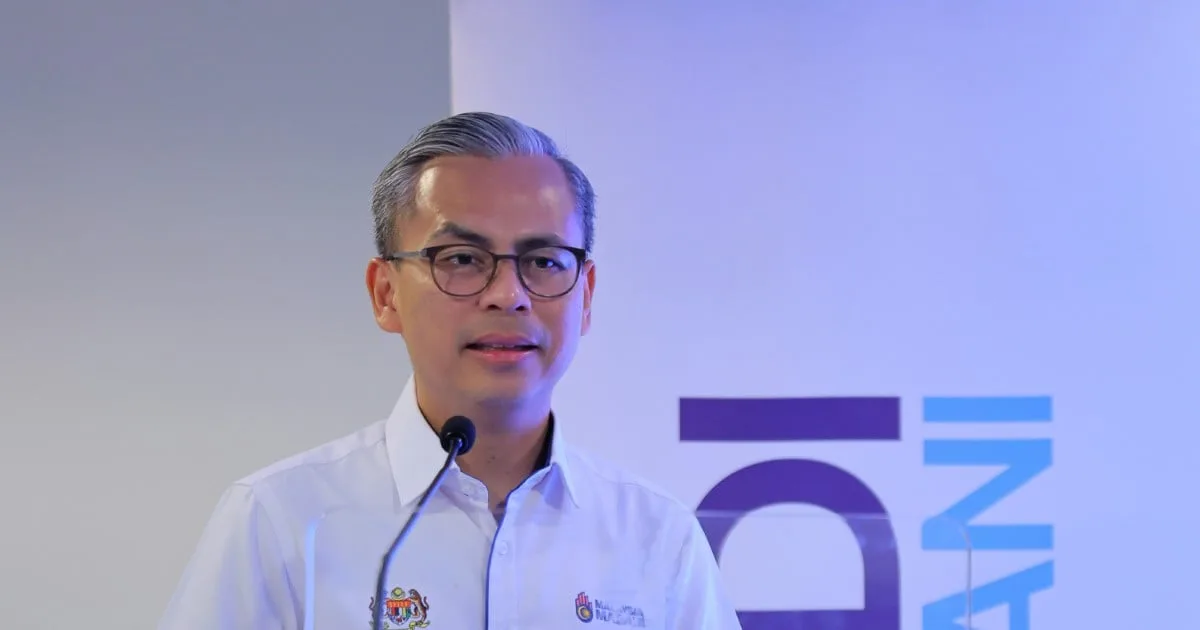
Malaysian Communications Minister Datuk Fahmi Fadzil said Malaysia has held talks with the UK over two years on regulating social media, including protecting under-16 users. Fahmi described UK regulatory efforts as positive and announced Malaysia's nationwide 'Internet Selamat' campaign to promote online safety awareness and inform users of under-16 restrictions [4].
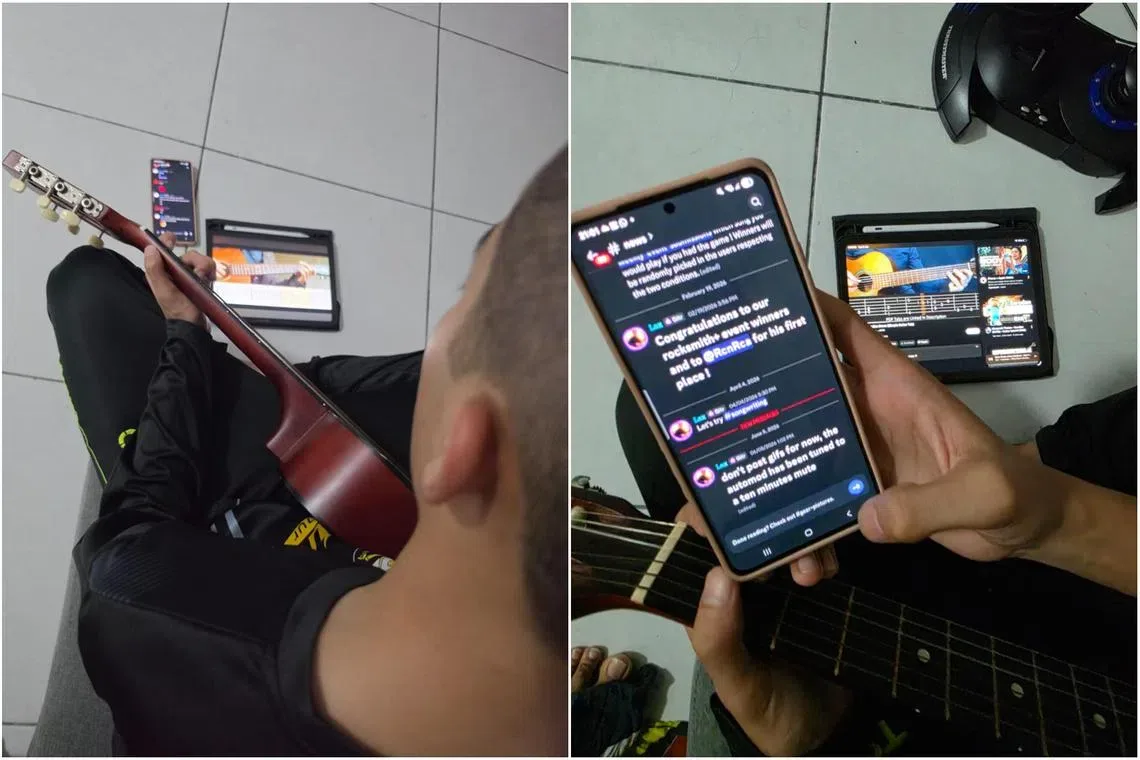
The ban has received mixed reactions domestically. Many parents support the move to protect children from online harm, but others question the law's effectiveness given potential loopholes in age verification and the absence of safe offline activities for youth [1, 2, 3]. Critics warn the ban could increase privacy risks and drive young users to less secure online spaces [1, 2, 3].
Malaysia’s new legislation marks a significant step in its digital safety policies, requiring compliance from major social platforms by today, June 1, 2026 [1, 2, 3]. The government will continue promoting the 'Internet Selamat' campaign to encourage safe internet practices among all users [4].