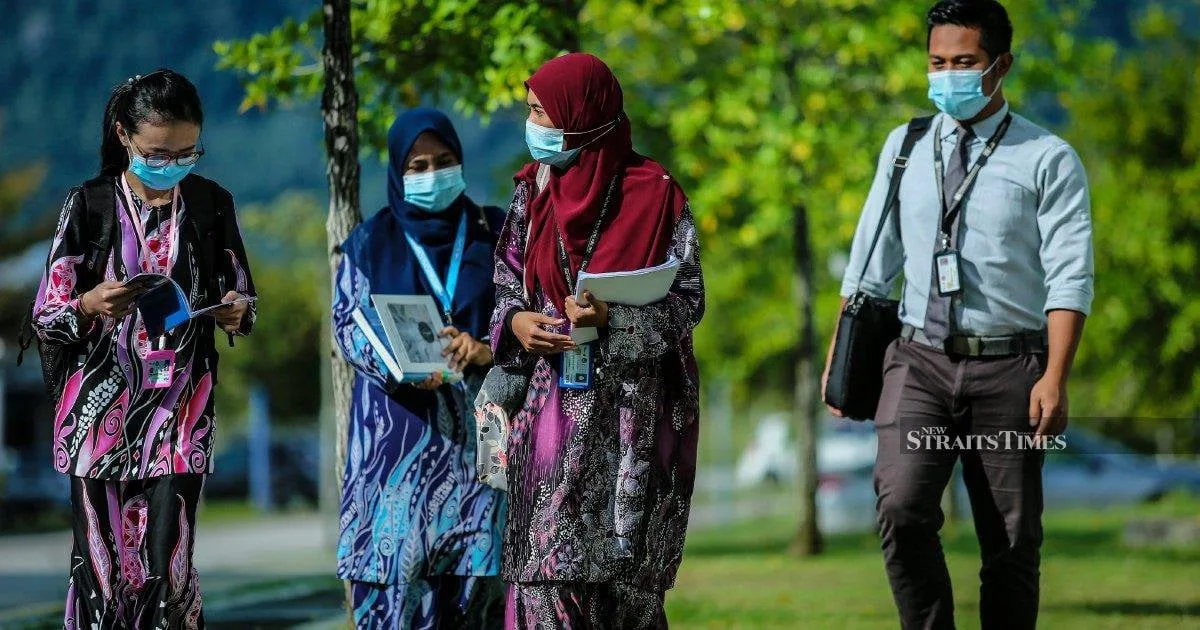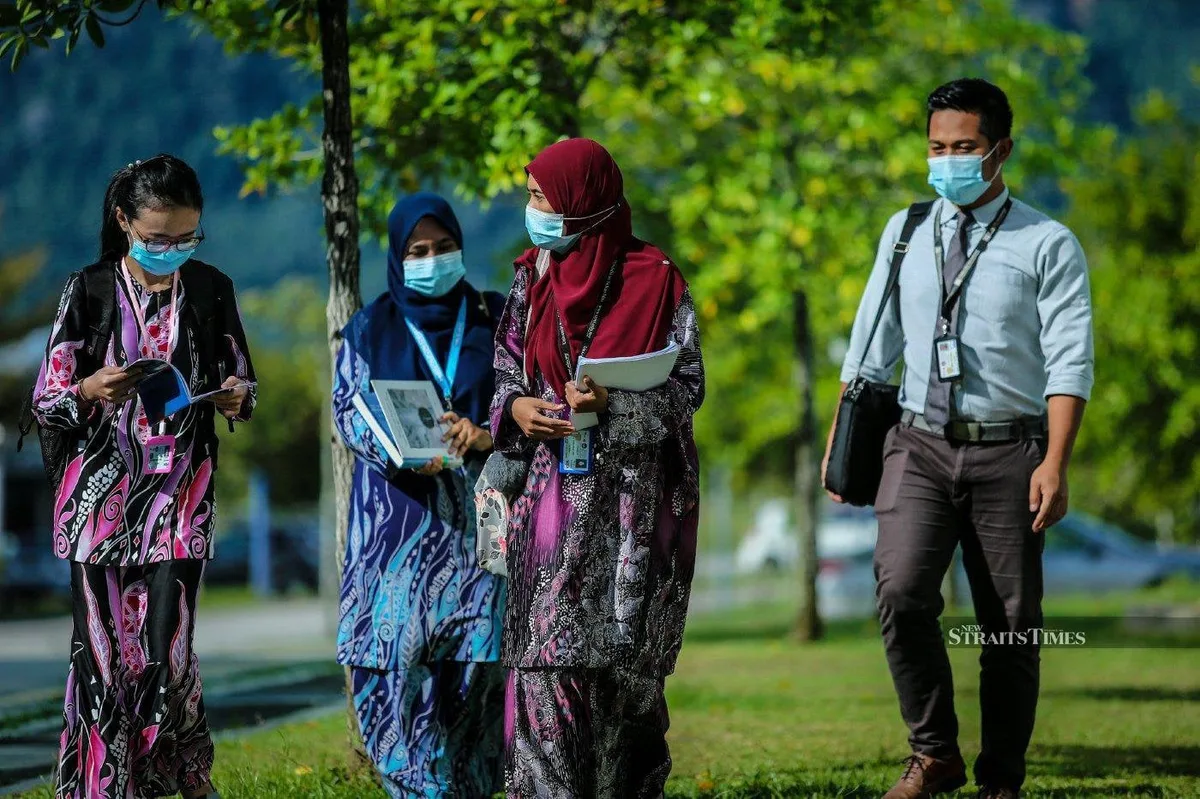
The Malaysian government announced an inclusive yet conditional approach to expanding access to higher education, aiming to promote national unity and uphold its education philosophy [1, 2]. Starting this year, Unified Examination Certificate (UEC) holders may apply to public universities for selected Chinese language and literature courses if they have credit in Bahasa Melayu and pass the History subject in the Sijil Pelajaran Malaysia (SPM) examination. Students without these minimum Bahasa Melayu and History passes remain ineligible [1, 2, 3].
Higher Education Minister Datuk Seri Dr Zambry Abd Kadir defended the policy, emphasizing the importance of nation-building and protecting the national language. He said, “The education system cannot merely be viewed through the lens of academic demands, the interests of certain groups, or narrow identity considerations. It also involves nation-building, strengthening unity, empowering Bahasa Melayu as the national language, and understanding Malaysia's history and nationhood” [1]. Dr Zambry further stated, “the position of Bahasa Melayu as the national language and History as the foundation of nationhood cannot be compromised. These principles must be implemented consistently and cannot change simply because of political pressure or demands from any party” [2].
The government's stance has faced criticism from the Federation of Malaysian Chinese School Management Associations, known as Dong Zong, which called the policy unfair and lacking in educational justice for UEC graduates [1, 2]. Dr Zambry described these criticisms as misguided and irresponsible [1, 2].
The policy reflects Malaysia's efforts to manage educational diversity while safeguarding academic standards. Associate Professor Dr Thien Lei Mee noted the approach “reflects the government's efforts to balance wider access with national education policy interests” [3].
Malaysia’s tahfiz education sector, which includes Islamic religious schools, continues to grow. It now has 1,401 institutions with over 10,000 asatizah (teachers) and more than 61,000 students enrolled. The government has implemented 84% of the National Tahfiz Education Policy 1.0 initiatives [3].
Prime Minister Datuk Seri Anwar Ibrahim said the government would refine the details of admission pathways for students from tahfiz institutions and Chinese independent schools, including UEC holders [3]. The next steps involve clarifying these measures to ensure alignment with national education goals while allowing broader university access.