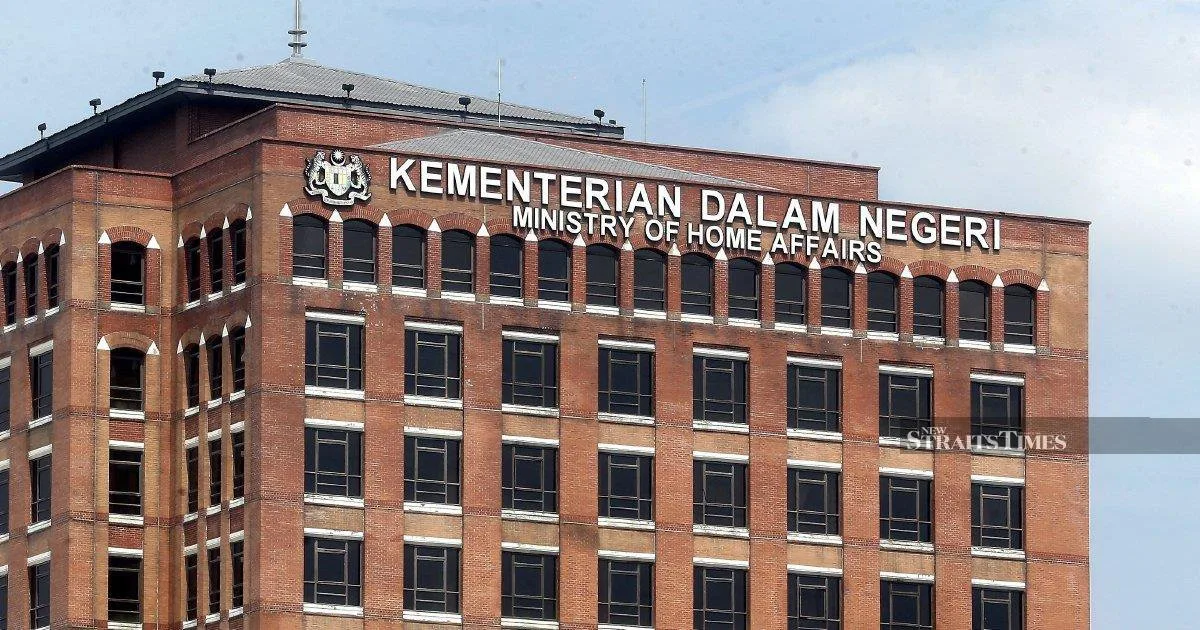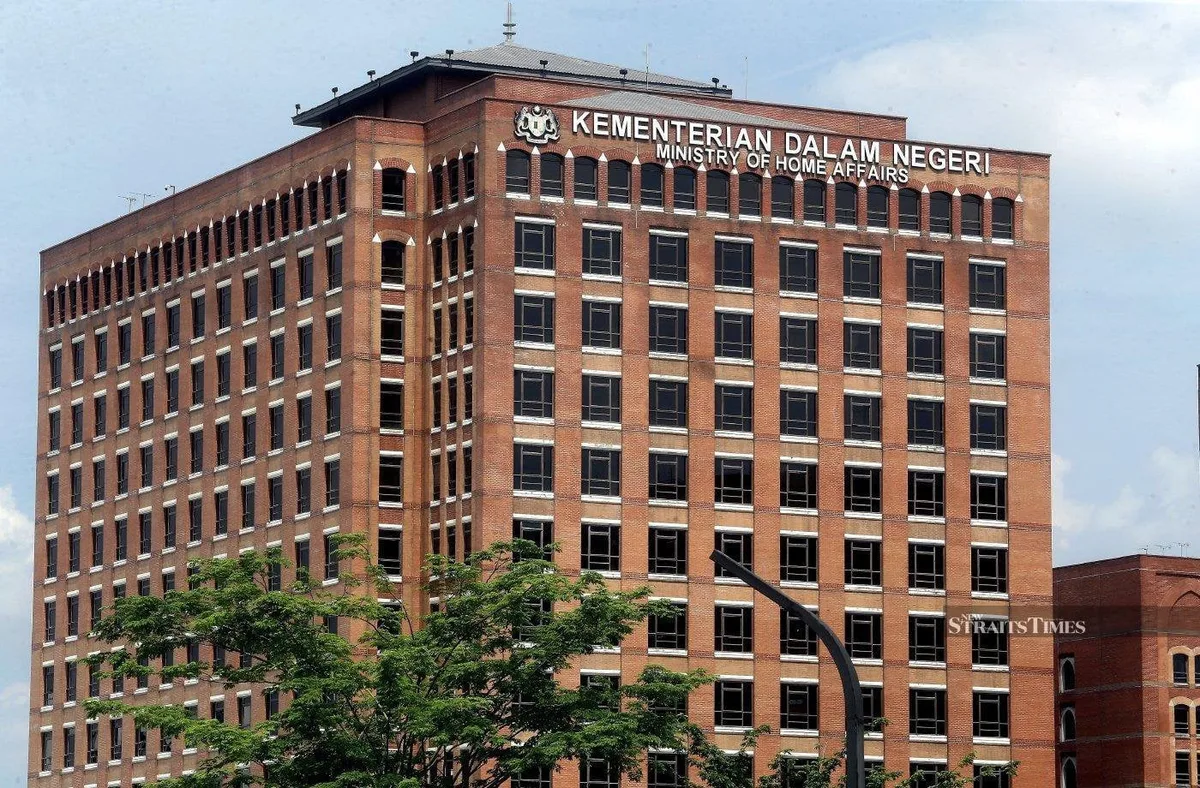
The Malaysian government is implementing a Refugee Documentation Registration Programme to obtain accurate, comprehensive, and verifiable biometric and identity data on refugees nationwide. The programme is carried out by the Immigration Department under the Home Ministry and follows National Security Council Directive No. 23 (Revised 2023) [1, 2, 3].
Announced on June 14, 2026, the programme aims to improve refugee management and enhance national security by gathering reliable identity features. However, it does not grant refugees legal status, citizenship, or permanent resident rights in Malaysia [2, 3]. Officials emphasized the approach is designed to address the longstanding refugee situation responsibly and structurally rather than encourage further refugee arrivals [2].
The United Nations High Commissioner for Refugees (UNHCR) continues to register refugees and facilitate third-country resettlement, but the rate of resettlement remains lower than the growth of registered refugees. This results in many refugees staying long-term within Malaysia [2]. Public concerns largely focus on the Rohingya community, which is among the largest refugee groups in the country [2, 3].
Eligible refugees may gain legal employment in sectors with labour shortages, such as plantations, agriculture, and construction, subject to government policy and Malaysian labour laws. Employment access is intended to reduce reliance on recruiting new foreign workers rather than increasing the overall foreign workforce [3]. Refugees remain fully subject to Malaysian law and may face legal penalties for crimes [2, 3].
The programme’s implementation marks the latest step in Malaysia’s effort to manage refugee populations with verified data. Authorities will continue registration and biometric data collection under the Home Ministry's direction as part of broader national security measures [1, 3].