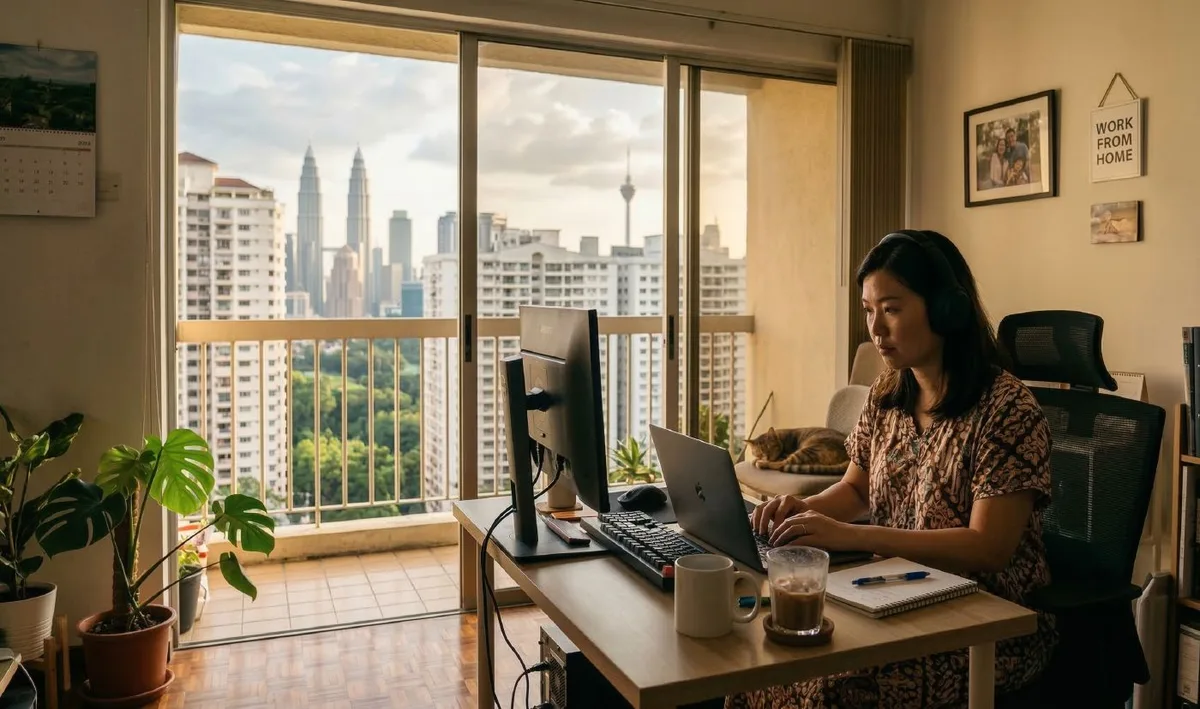
Malaysia officially rolled out the Hybrid Workday (HBH) Policy for its civil servants on August 1, 2026, marking a shift from the traditional five-day office workweek to a hybrid work model [1, 2, 3, 4, 5].
Under the HBH guidelines, civil servants are required to attend the office three days a week while permitted to work from home or other locations for two days, depending on job suitability and compliance with operational conditions [1, 2, 3, 4, 5]. This change forms part of the government’s public service reform agenda aimed at modernizing work arrangements [1, 2, 3, 4, 5].
States observing Sunday as the weekly rest day will have Monday and Friday as mandatory office attendance days. For Kedah, Kelantan, and Terengganu, compulsory office days are Sunday and Thursday. The third required office day is decided by Heads of Department based on operational needs [1, 2, 3, 4, 5].
Officers eligible for the HBH scheme do not need to apply separately since it has been integrated into the permanent work system. However, Heads of Department maintain authority to determine eligibility, require officers to report to office on designated remote workdays if necessary, and revoke eligibility if work conditions are not met [1, 2, 3, 4, 5].
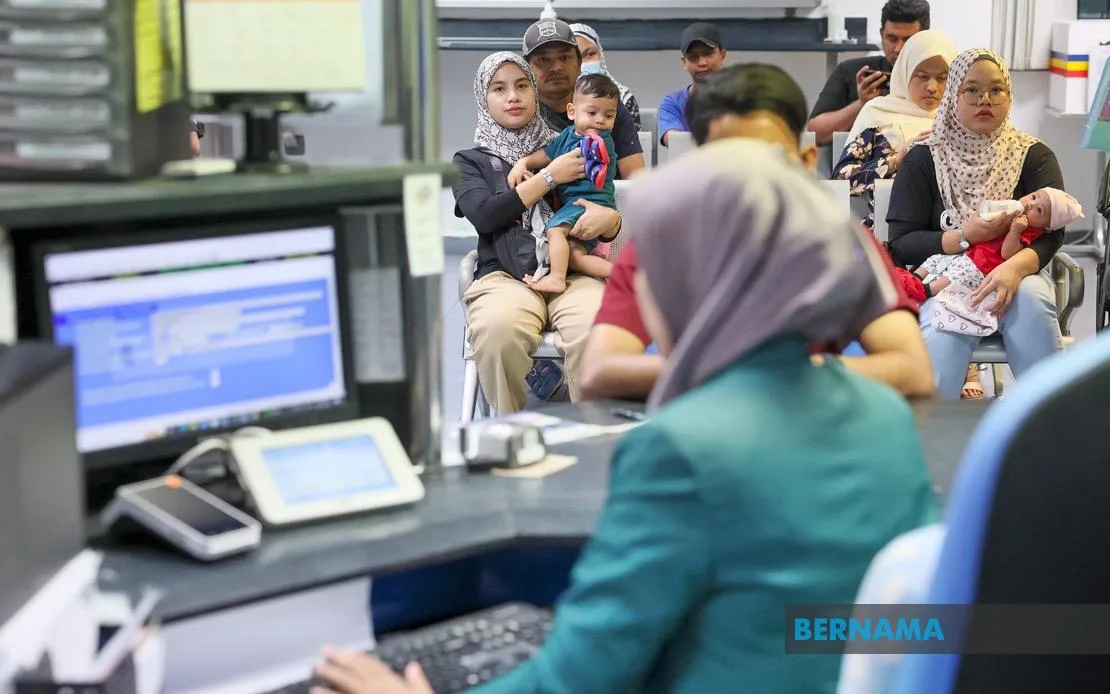
The policy excludes roles that require full physical presence, such as counter services, security forces, defense, enforcement, education, health, and courts [1, 2, 3, 4, 5]. To monitor productivity, work output, and attendance, the government will use the SPOT-Me system [1, 2, 3, 4, 5]. Officers also must comply with the Official Secrets Act 1972 and remain accessible while working remotely [1, 2, 3, 4, 5].
The Public Service Department described the HBH policy as a future-proof approach to strengthening government service resilience amid global changes. Similar hybrid work arrangements have been adopted by countries including Singapore, Australia, Finland, and Sweden [1, 2, 3, 4, 5].