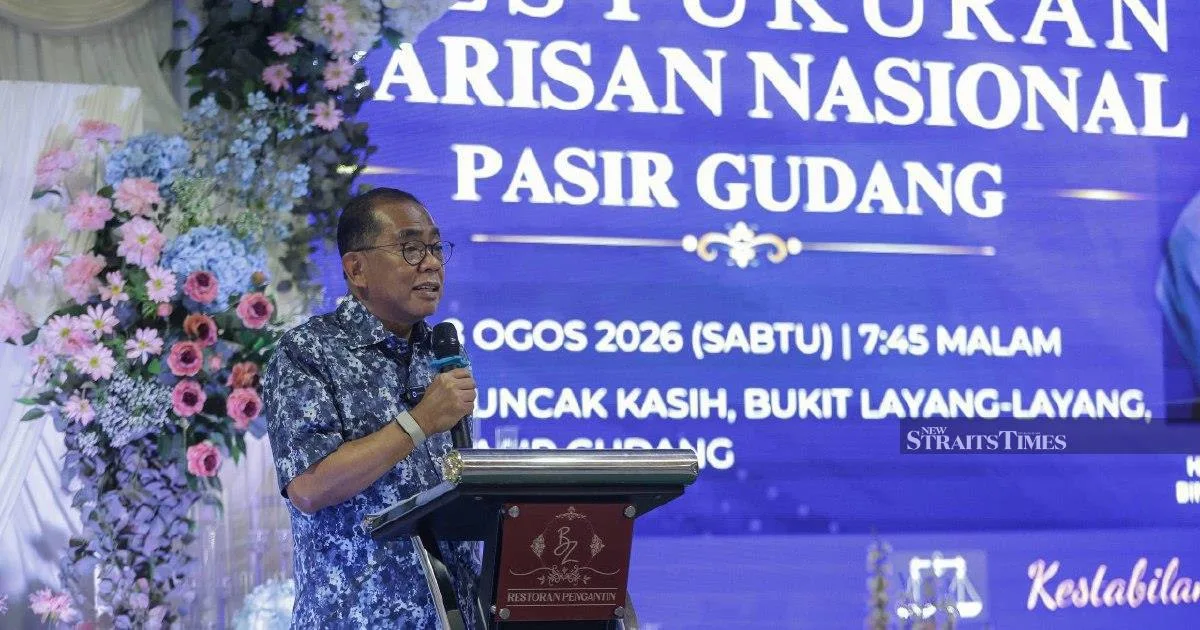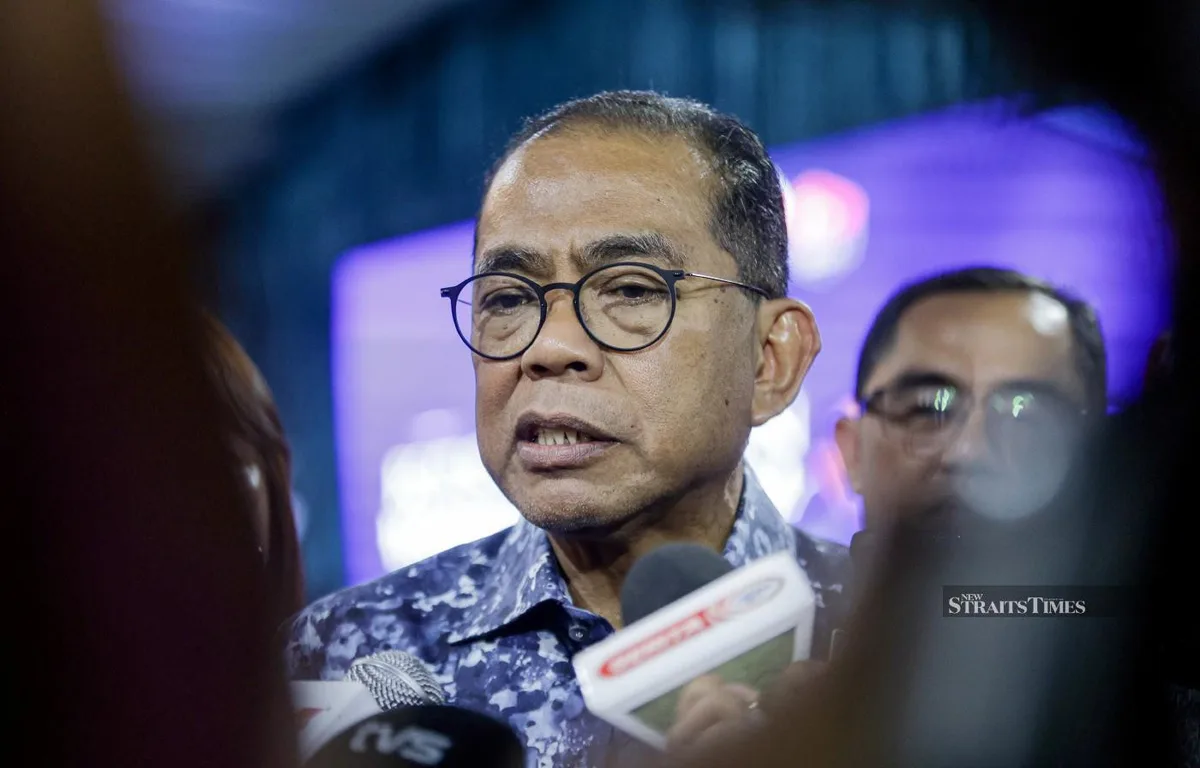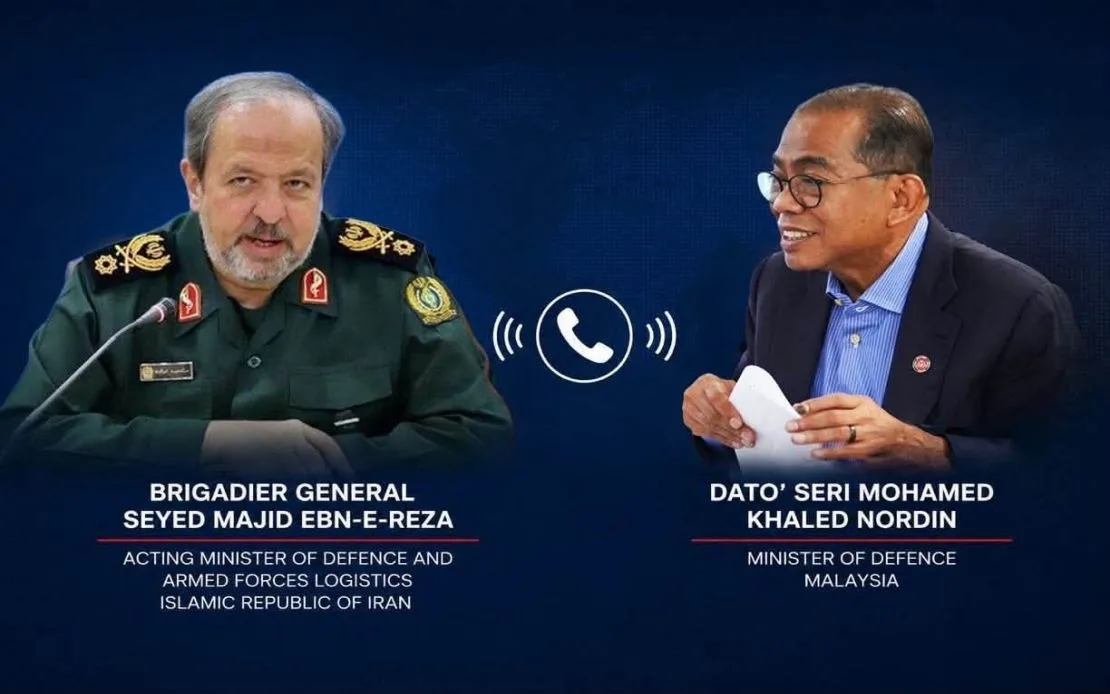
Malaysia is working to finalise a Memorandum of Understanding on defence cooperation with Iran to boost bilateral relations, Defence Minister Datuk Seri Mohamed Khaled Nordin announced following a call with Iran’s Acting Defence Minister Brigadier General Seyed Majid Ebn-e-Reza on August 10-11, 2026 [1, 2, 3, 4]. The minister expressed condolences for Iranian leaders, security personnel, and civilians killed in the ongoing West Asia conflict and called for a maintained ceasefire and peaceful resolution [1, 2, 3, 4].
Malaysia views Iran as demonstrating resilience through independent defence capabilities amid the conflict and welcomed Iran’s confirmation to participate in the 2027 Langkawi International Maritime and Aerospace Exhibition (LIMA), describing it as a platform to expand defence relations [1, 2, 3, 4]. "I also welcomed Iran’s participation in next year’s Langkawi International Maritime and Aerospace Exhibition (LIMA) as a platform to expand relations and explore broader defence cooperation," Khaled said [2].
The minister highlighted Malaysia’s appreciation for Iran’s cooperation in enabling safe passage of Malaysian vessels during the conflict in the Strait of Hormuz, a critical maritime route for Malaysia’s energy supplies. About 40% of Malaysia’s crude oil imports pass through this strait [3, 5]. "Malaysia also appreciates Iran’s cooperation and good treatment in facilitating passage during the conflict. The security of maritime routes, including the Strait of Hormuz, must continue to be safeguarded," Khaled said [3].
Malaysia maintains diplomatic relations with Iran despite political differences and benefits from its neutrality by securing uninterrupted maritime transit during the regional tensions [5]. Malaysia consumes around 700,000 barrels of oil per day but produces only about 350,000 barrels, relying heavily on imports subsidized by the government [5]. The conflict has sharply increased Malaysia’s fuel subsidy costs from RM800 million monthly before the conflict to about RM5 billion monthly in March-April 2026, with projections nearing RM40 billion by year-end if high oil prices persist [5].
Domestically, Malaysia is pushing for structural improvements in its armed forces to align personnel policies with modern defence assets and technology. Proposals on organisational structure, career progression, and rates of allowances for armed forces personnel have been submitted to the government and the Public Service Department [6]. Defence Minister Khaled said, "We want to ensure a reasonable match between rank, grade, level of responsibility and the strategic roles shouldered by armed forces personnel. It must be based on performance, competency, integrity and organisational needs, through established evaluation processes" [6].
Following Prime Minister Datuk Seri Anwar Ibrahim’s August 11, 2026 announcement, the government has agreed in principle to simplify and accelerate the promotion process for armed forces and police personnel, bringing it in line with the general public service schemes [6]. The prime minister said, "The government is in-principle agreed to simplify and accelerate the promotion process for armed forces and police personnel, bringing it in line with other public service schemes." [6]
Malaysia first launched these reforms under the 2022 Defence White Paper championing talent management enhancements [6]. Initial proposals were submitted to update the Public Service Remuneration System in March 2025 [6].
The next major engagement between Malaysia and Iran on defence cooperation is expected around the LIMA 2027 exhibition, reinforcing bilateral military ties and promoting regional security cooperation [2].