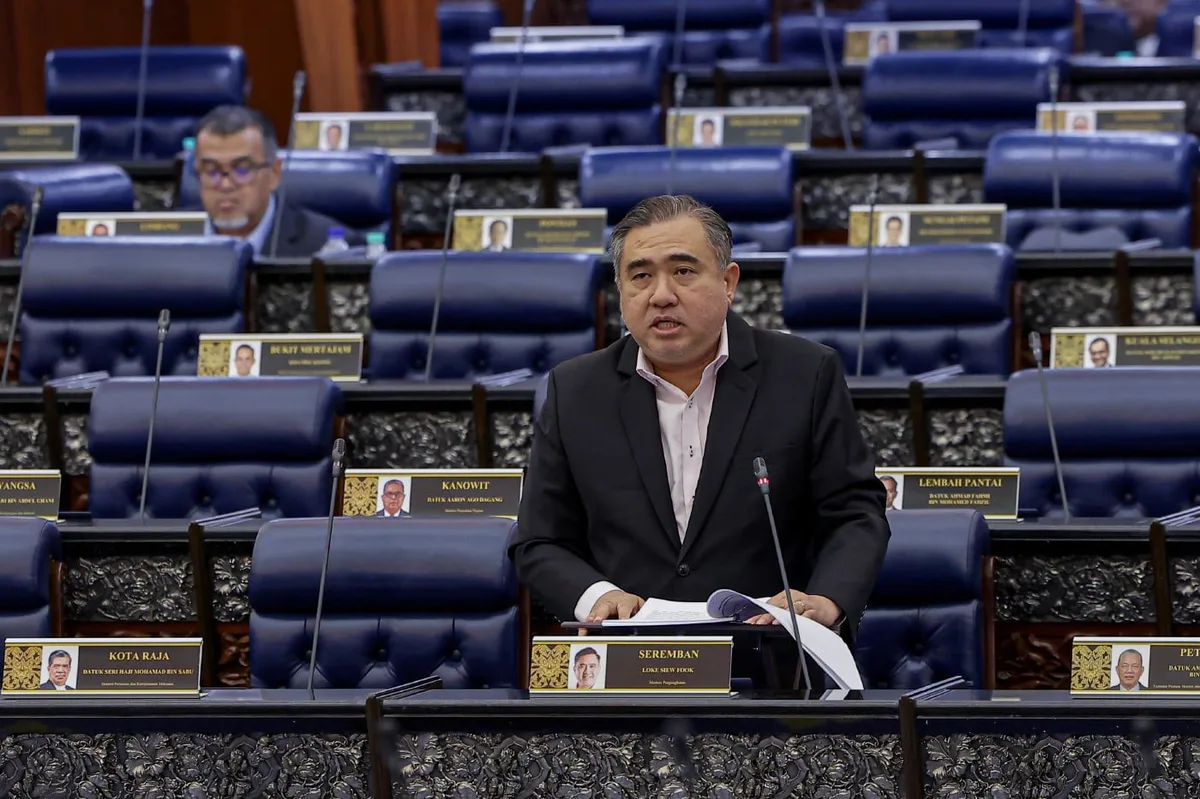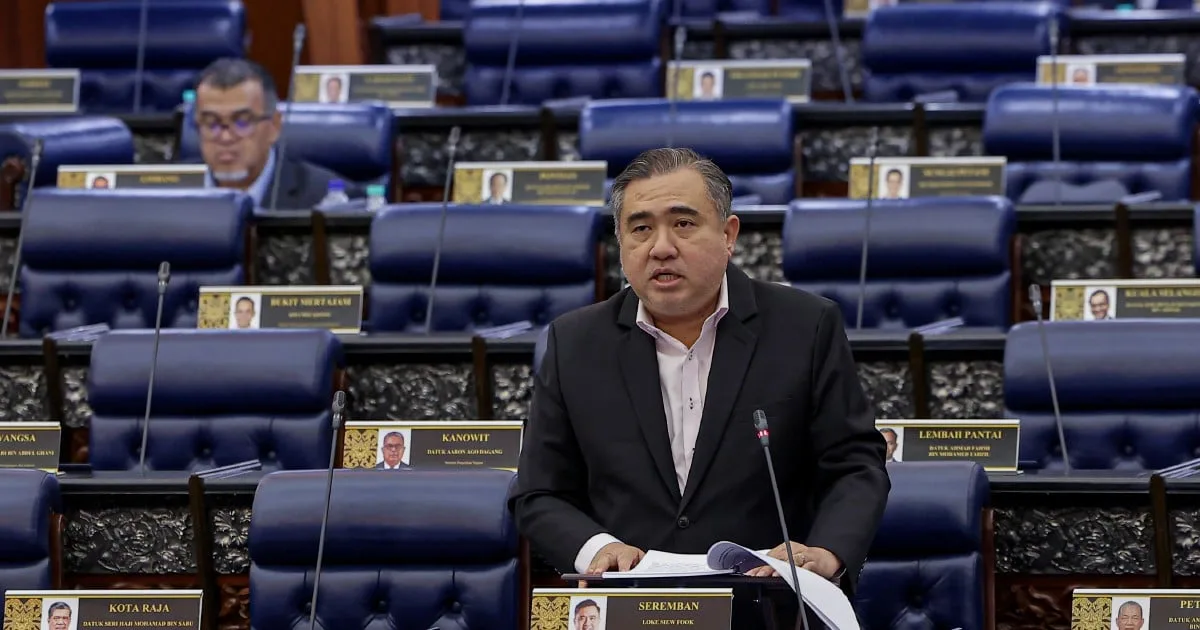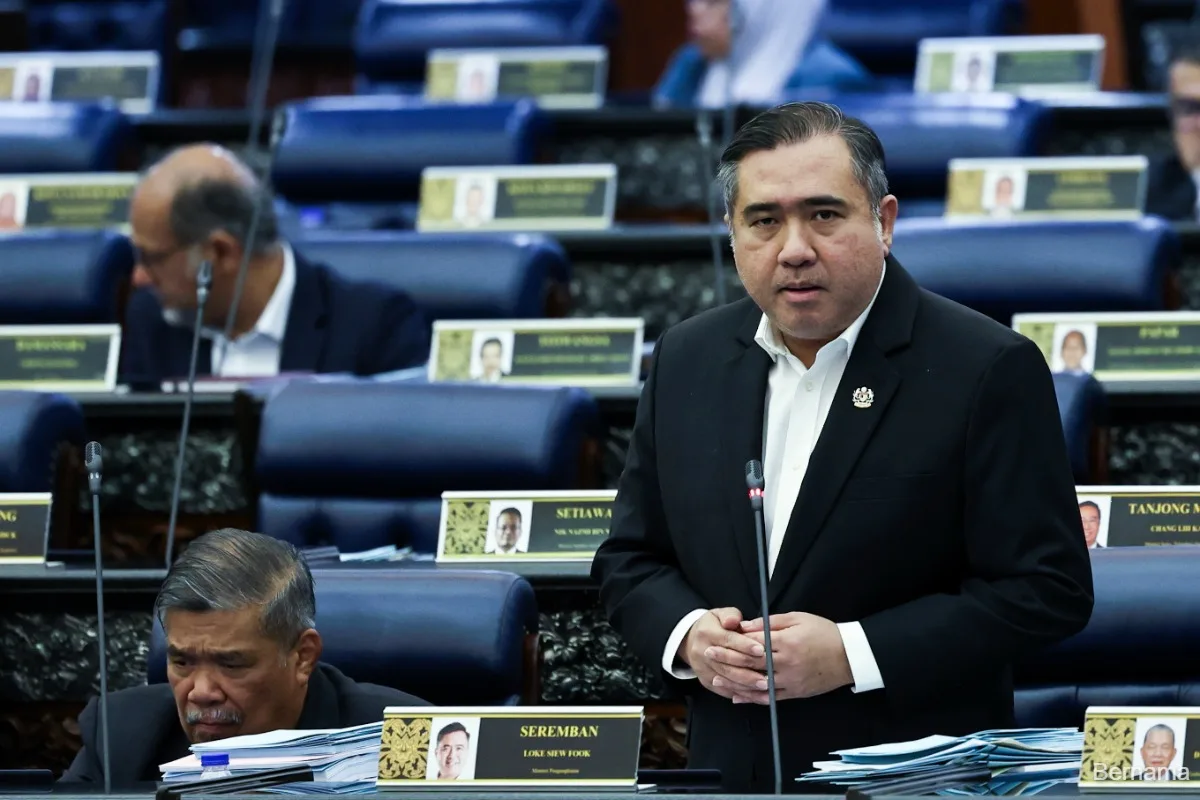
Malaysia’s parliament passed the Road Transport (Amendment) Bill 2026 on June 24, 2026, raising the maximum compound fines for over 700 traffic offences from RM300 to RM500, effective January 1, 2029 [1, 2, 3]. The changes introduce a new maximum ceiling; actual fines will vary depending on offence severity, type, timing of payment, and enforcement policy [1, 2, 4]. Transport Minister Anthony Loke explained that this increase does not mean all compound fines will reach RM500. "Not all offences will be slapped with a RM500 compound. This is the maximum rate that takes into account the type of traffic violation, seriousness, duration of payment and implementation policy," he said [2, 5]. "The RM500 maximum rate does not apply across the board to all offences or all situations. This increase is not intended to generate revenue for the government. Its purpose is to improve compliance," Loke added [4].
The Bill raises minimum fines for serious offences such as failure to display a registration number, driving without a valid licence, and speeding from RM300 to RM500 [1, 6]. It also introduces a new Section 42A creating distinct offences for illegal street racing and speed testing on public roads. First-time offenders face fines between RM2,000 and RM10,000, imprisonment up to two years, or both. Repeat offenders face fines of RM5,000 to RM20,000 and jail up to five years, or both [1, 2, 7, 6]. Illegal racing offences are seizable without warrant, allowing police to arrest suspects promptly [6].
The amendments also strengthen enforcement against "tonto" activities that interfere with traffic by giving authorities power to disperse gatherings, seize vehicles, and detain offenders [8, 9]. Penalties increase for driving with a suspended or disqualified licence to a maximum three years’ jail and a RM10,000 fine [6].
Loke said the government aims to focus on offences that genuinely risk road safety while easing public services through digitalisation. The Bill provides for increased use of electronic documents and notices in Road Transport Department services [1, 10]. "We want the law to focus on offences that genuinely pose risks, while enhancing the efficiency of JPJ's services through digitalisation, better service delivery, and fair enforcement," Loke stated [1].
There will be a transition period until January 1, 2029 for the new compound fines and provisions to take full effect, intended to raise public awareness and improve road discipline [1, 2, 4]. The amendment does not raise vehicle licence fees but aims to align fees with the actual area of vehicle use [2, 10].