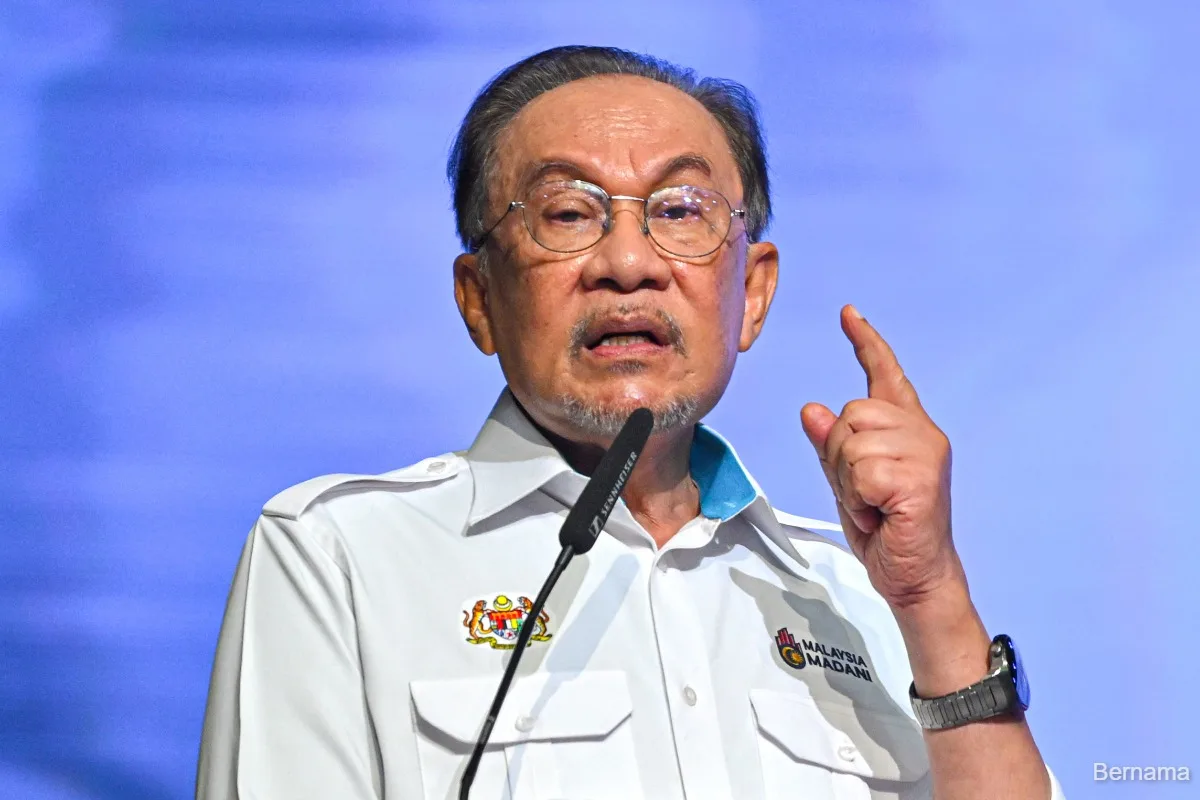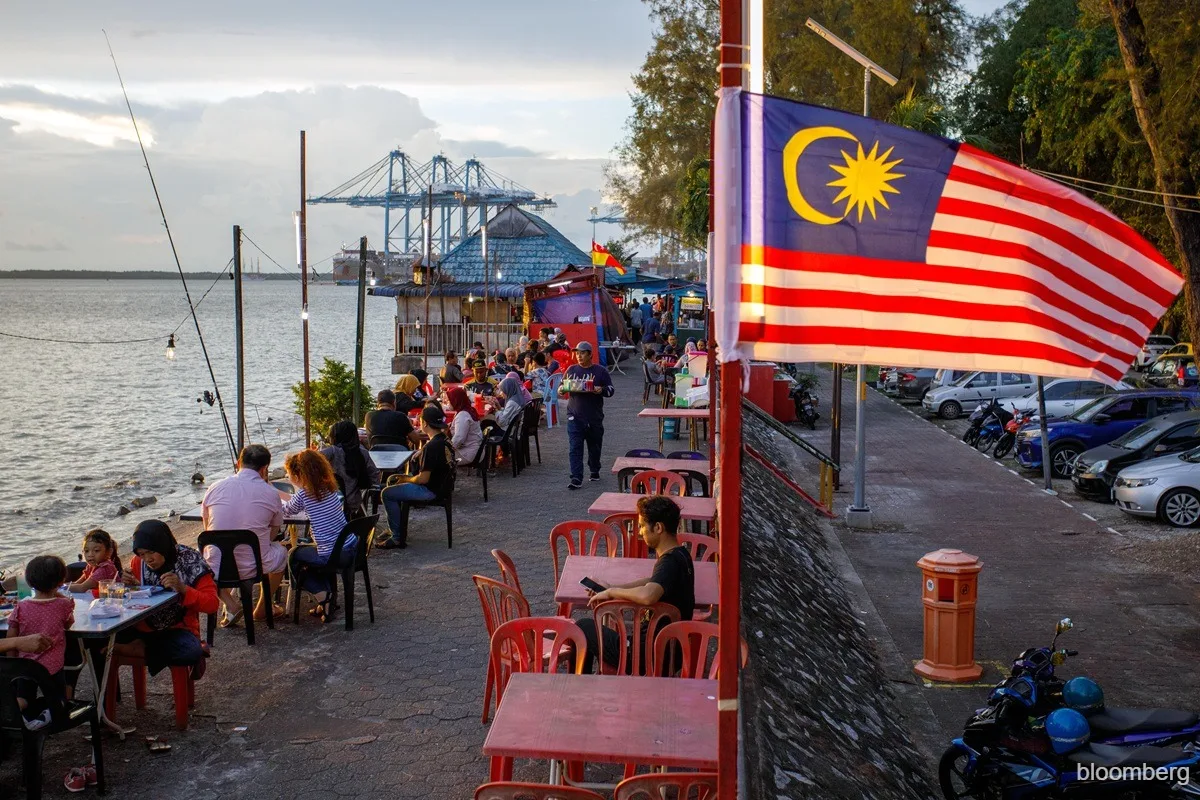
Prime Minister Datuk Seri Anwar Ibrahim ordered ministries on May 13 to engage hawkers nationwide to understand why only 5% participate in formal financial assistance schemes [1, 2, 3]. A study by the Khazanah Research Institute found that just 5% of hawkers receive help from institutions like Bank Simpanan Nasional, Tekun Nasional, and Amanah Ikhtiar Malaysia [1, 2, 3]. Many hawkers remain unregistered, limiting access to formal financing and government aid [1, 2, 3].
"The prime minister has asked the relevant ministries to carry out engagement sessions, including directly with the hawkers themselves, to better understand the issues and constraints they face," Mr. Anwar said. "This is important to ensure that formal financial assistance can be expanded and effectively channelled to the group" [1].
On May 12, he directed all ministries to realign efforts to shield vulnerable Malaysians from rising living costs. He urged local authorities to reduce hawker stall rental rates to ease business costs [4]. The government also collaborates with the Economy Ministry and Federal Territories Islamic Religious Council (MAIWP) to support asnaf and small entrepreneurs through food vending machines and rental subsidies [5]. As of May 5, 1,125 vending machines have been installed nationwide, helping participants earn monthly sales of RM4,000 to RM10,000, with income returns 2.6 times higher than rental paid [5].
Malaysia’s economy grew 5.4% in Q1 2026, up from 5.2% growth in previous years, with unemployment at 2.9% and inflation at 1.6%, while the ringgit remains among Asia’s strongest currencies [6]. The government has implemented fuel price support measures such as Budi Madani RON95 (Budi95) and enhanced Budi Diesel to cushion global price impacts [6]. Mr. Anwar reaffirmed Malaysia’s commitment to strengthening US-Asean investment ties, highlighting frameworks like the New Industrial Master Plan 2030 and National Energy Transition Roadmap [7].
At the Finance Ministry briefing on May 15, the Prime Minister emphasized protection for vulnerable groups amid global supply disruptions [4]. On May 12, he paid tribute to nurses on International Nurses Day, praising their sacrifice and critical healthcare role [8, 9].
However, former health minister Khairy Jamaluddin noted on May 14 that many ordinary Malaysians have yet to feel the benefits of economic growth, despite the macroeconomic improvements. He stressed that younger voters prioritize living costs, jobs and economic mobility and require politicians to address these issues [10, 11, 12].
The Madani Mediation Centre, staffed with more than 170 qualified mediators, will provide free commercial mediation for cases below RM250,000, launching officially on May 18 in Kuala Lumpur [1, 3].