Malaysia's government has completed roughly 50% of its expenditure realignment target aimed at improving efficiency across ministries, agencies, and government-linked entities, officials confirmed [1, 2, 3].
Prime Minister Anwar Ibrahim told the Cabinet that the rationalisation exercise had started to deliver positive outcomes without disrupting service delivery or ongoing ministry programmes [1, 2, 3]. "Cost adjustment measures under Budget 2026 will not affect frontliners or essential healthcare services," ensuring that only non-critical spending was trimmed, according to Finance Ministry guidelines issued earlier [2].
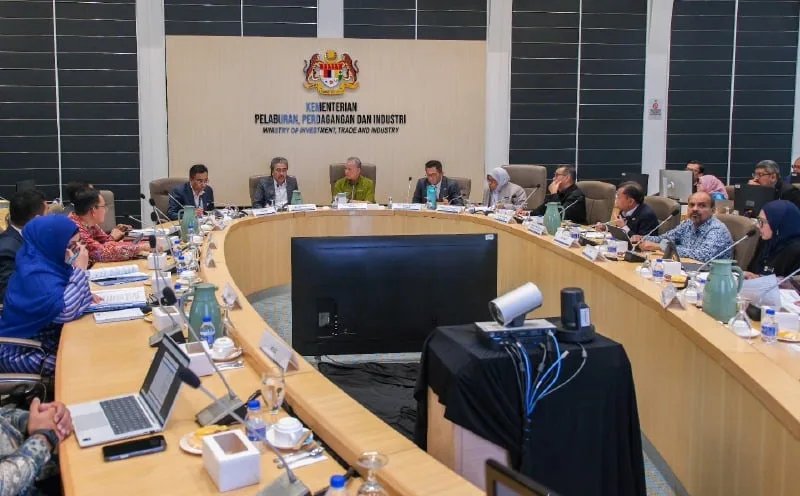
The Finance Ministry on April 29 directed all ministries, statutory bodies, government-linked companies (GLCs), and institutions (GLICs) to review operating expenditure and rationalise programme activities in light of global supply challenges [2]. It also mandated that official events, workshops, and large-scale programmes be conducted at moderate scales to curb unnecessary costs [2].
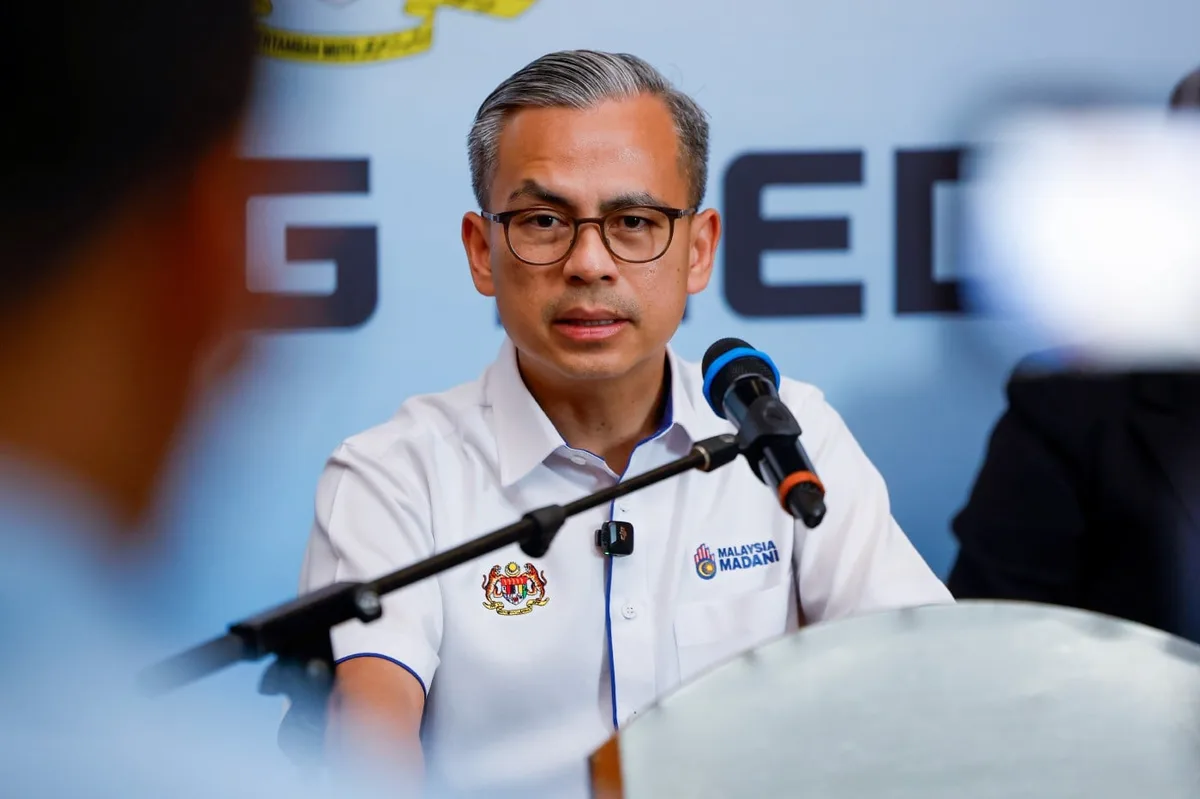
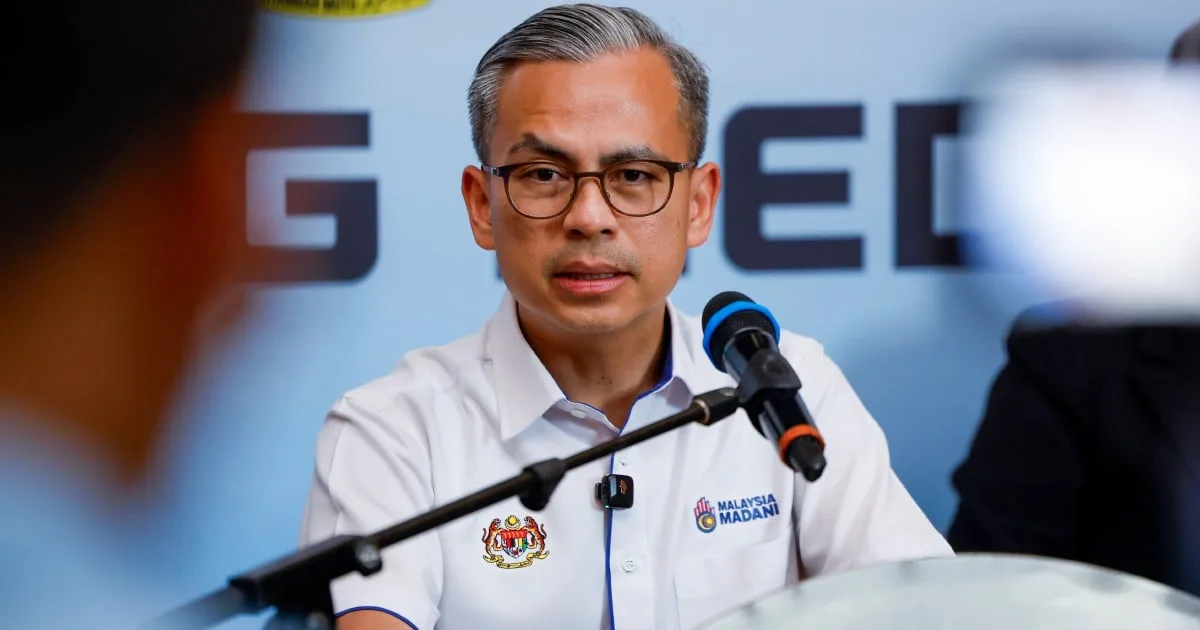
Communications Minister Fahmi Fadzil reported on May 20 that the government had completed about half the target set for the expenditure realignment [3]. The exercise prioritises strengthening frontline public services, with particular focus on health, security, and education sectors, officials emphasised [1, 2, 3].
Meanwhile, the Federation of Malaysian Manufacturers (FMM) is conducting a survey among its members to identify sector-specific challenges. The findings aim to help the government develop targeted initiatives to support industries affected by cost pressures and supply chain issues [2, 3].
The ongoing review of government spending is expected to continue as ministries implement cost control measures with mid-2026 budget guidelines as reference. The Finance Ministry remains the central coordinator for expenditure rationalisation efforts across all government-linked entities [2].