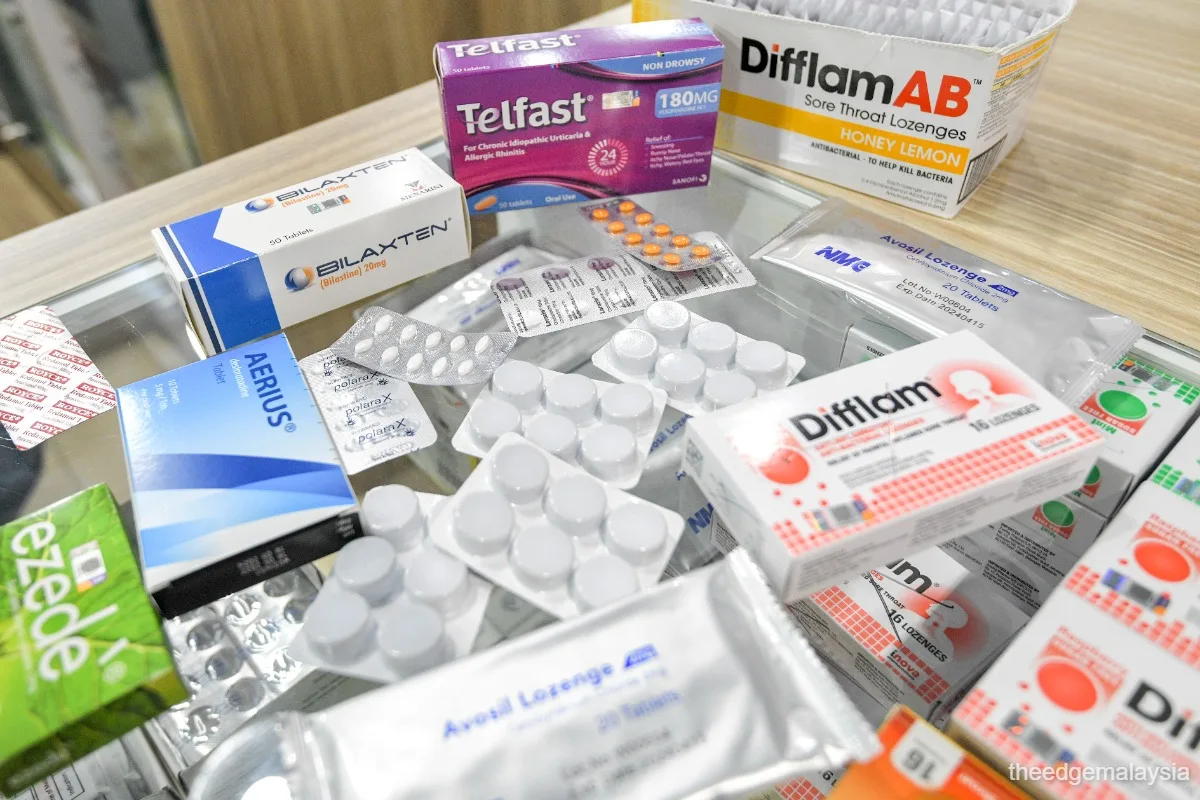
Malaysia’s government confirmed stable and sufficient supplies of medicines and medical devices despite global supply disruptions, Economy Minister Akmal Nasrullah Mohd Nasir said today during a briefing on the global supply crisis [1, 2, 3].
As of May 8, 72% of medicine supplies were classified as low risk, 11.3% medium risk, and 16.8% high risk, requiring ongoing monitoring and mitigation. Meanwhile, 81.7% of medical devices fell under low risk, 13.5% medium risk, and 4.8% high risk due to reliance on imported raw materials and components [1, 2, 3].
The government has established a special task force for regular supply monitoring and is strengthening buffer stocks, particularly for high-risk medicines and devices. Partnerships with China, Japan, and Uzbekistan support diversified supply sources. A Special Access Pathway has been activated to speed up approvals for critical imports [1, 2, 3].
To reduce dependence on imports, Malaysia is also developing its domestic medical device industry and empowering local manufacturers [1, 2, 3]. The Minister of Health has been urged to intensify efforts to maintain price transparency for medicines sold at pharmacies, to prevent unreasonable costs for consumers, the Economy Minister added [1, 2, 3]. He said, "The Health Ministry is also urged to intensify efforts to ensure price transparency of medicines sold in pharmacies" [2].
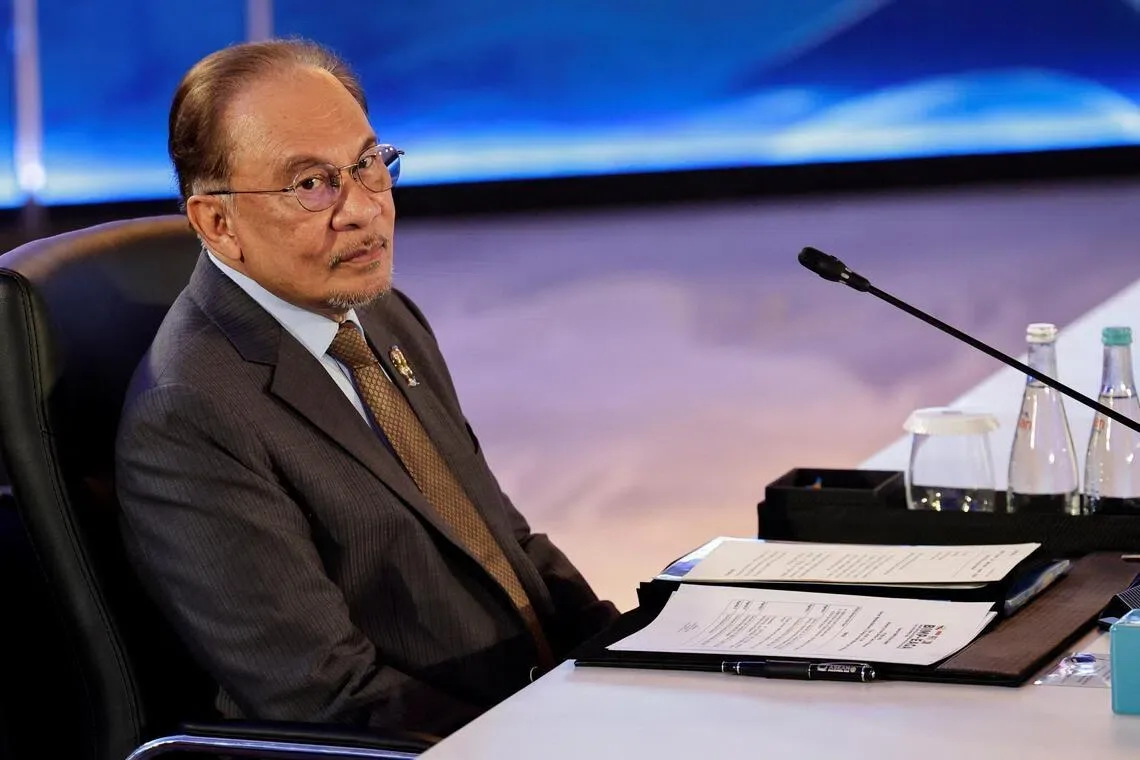
Prime Minister Anwar Ibrahim emphasized continued monitoring of medical supply chains and targeted support for smallholders and vulnerable groups under the Budi Agri-Commodity initiative amid economic uncertainties. He stated, "Whatever challenges may arise, the government will continue to work hard, act with compassion, and ensure the well-being of the people remains the nation’s top priority" [4].
The National Economic Action Council (MTEN) approved targeted cost adjustments for medicines and medical devices based on risk levels and actual needs during its 12th meeting today [1, 3]. The council’s measured approach focuses on price stability while addressing supply challenges.
The government will continue monitoring supplies closely and adjust policies as needed to maintain access and affordability amid ongoing global uncertainties [1, 2, 3].