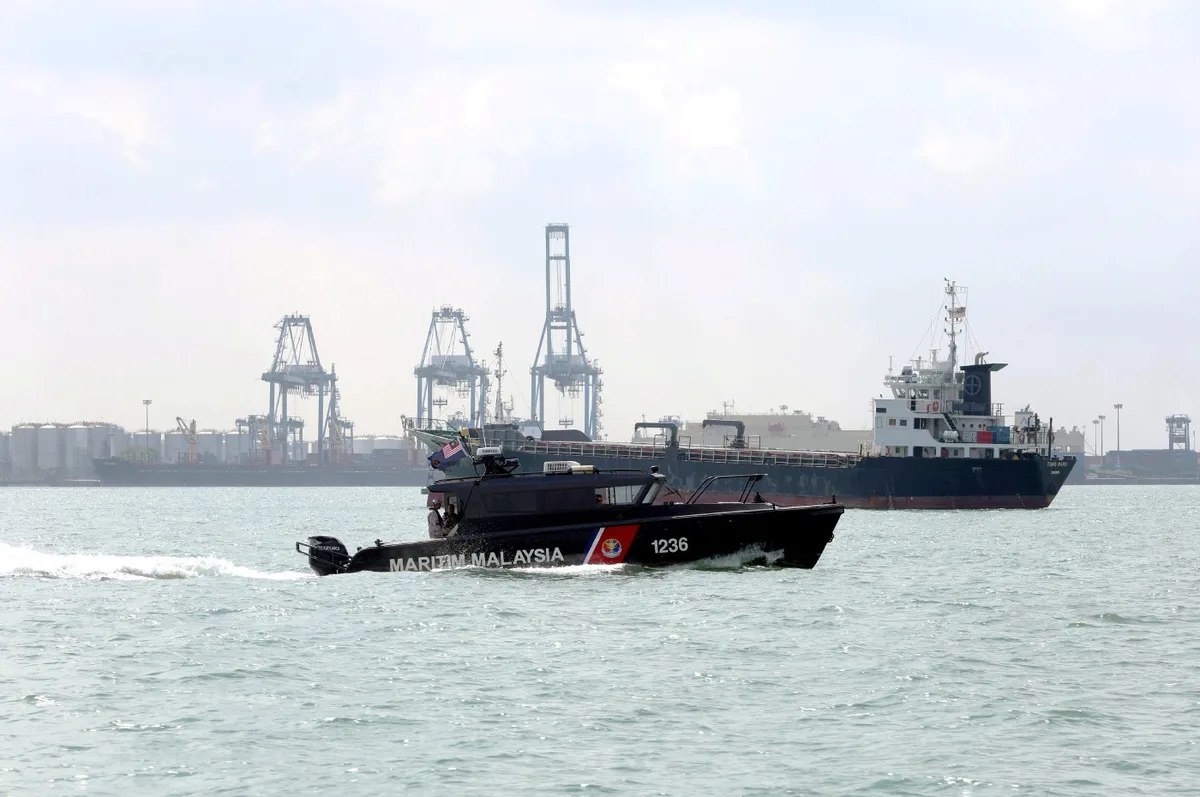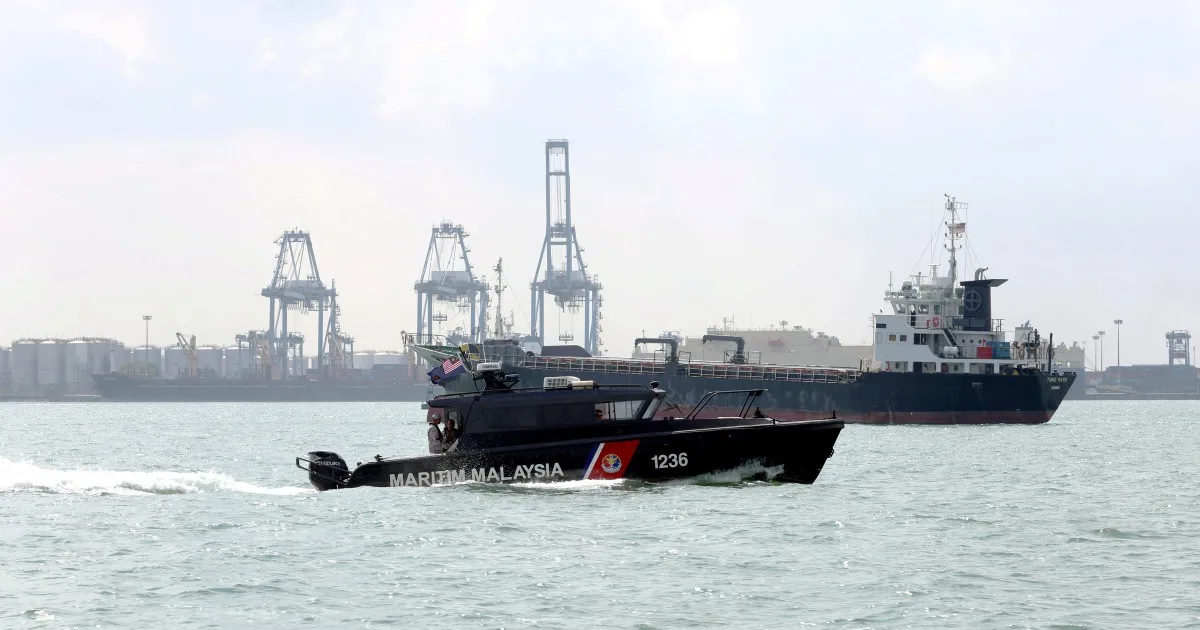
The Malaysian government has intensified vessel monitoring and screening to prevent ships listed under international sanctions from entering its waters and ports, the Transport Ministry said on August 4, 2026 [1, 2]. A total of 1,404 vessels currently appear on the Malaysian Maritime Enforcement Agency's (MMEA) watchlist as well as on sanctions lists maintained by the US Office of Foreign Assets Control (OFAC), UK Foreign, Commonwealth & Development Office (FCDO), the EU, UN, and Australia [1, 3, 2].
Screening measures include pre-arrival checks using the International Maritime Organization (IMO) number, a unique identifier that remains with a vessel regardless of renaming, reflagging, or changes in ownership. "To prevent vessels on international sanctions lists from entering Malaysian waters through ship renaming, reflagging, or changes in ownership, the government has implemented several control mechanisms," the Transport Ministry said [1]. These checks apply to all vessel entry applications.
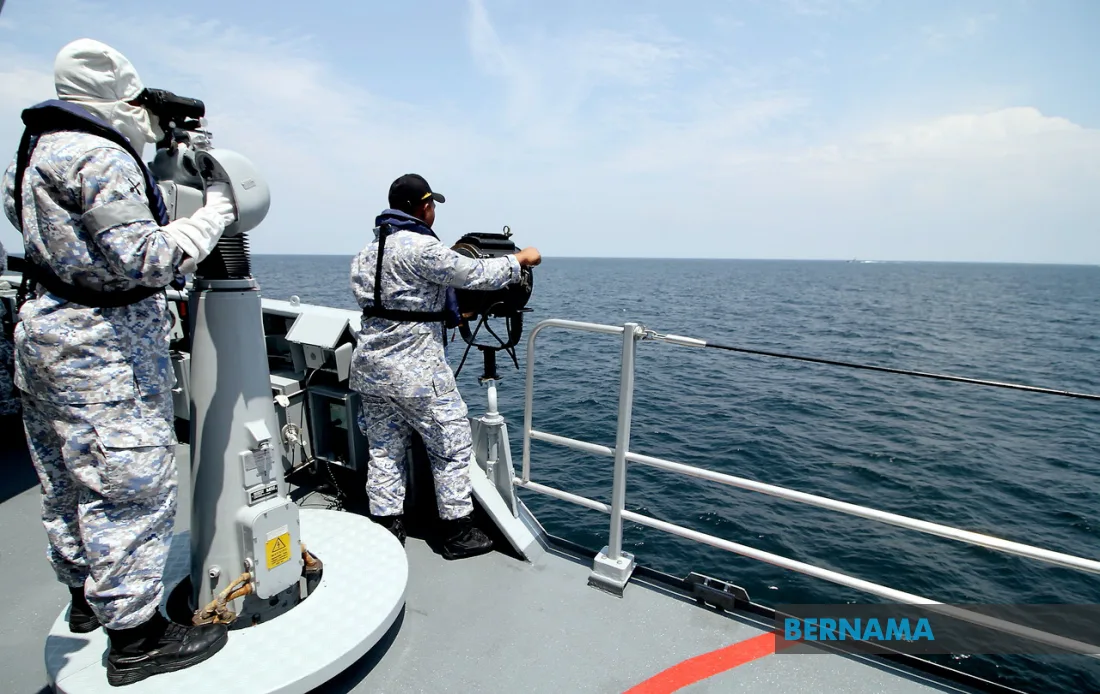
Monitoring relies on multiple maritime surveillance tools, including Automatic Identification System (AIS), Vessel Traffic Services (VTS), and Port Management Information Systems. These enable authorities to detect suspicious movements and track vessels in Malaysian waters [1, 3, 2]. If a vessel is suspected of violating sanctions or posing a national security risk, the government may reject its entry, deny docking, or prohibit cargo unloading under national laws and policy [1, 3, 2]. "If there is information indicating that a vessel is linked to activities that violate international sanctions or poses a risk to national security, the government may reject the vessel's application to enter Malaysian waters, deny it permission to dock, or prohibit it from unloading cargo," officials said [3].
On December 20, 2023, Malaysia formally banned vessels registered in Israel or flying the Israeli flag from docking in Malaysian ports. The government also revoked the operating license of Israeli shipping company ZIM Integrated Shipping Services, reflecting a firm stance on certain sanctions [1, 3, 2].
Malaysia continues to uphold the right of innocent passage for ships as a maritime nation party to the United Nations Convention on the Law of the Sea (UNCLOS) since 1996 [2]. Inter-agency cooperation among the Marine Department, MMEA, Customs, Immigration, and Police supports enforcement. Malaysia also shares information with international maritime organizations to strengthen controls [1, 3, 2].
The recent parliamentary statement by the Transport Ministry outlines these enhanced controls as ongoing measures to ensure compliance with international sanctions while safeguarding national security [1, 2].