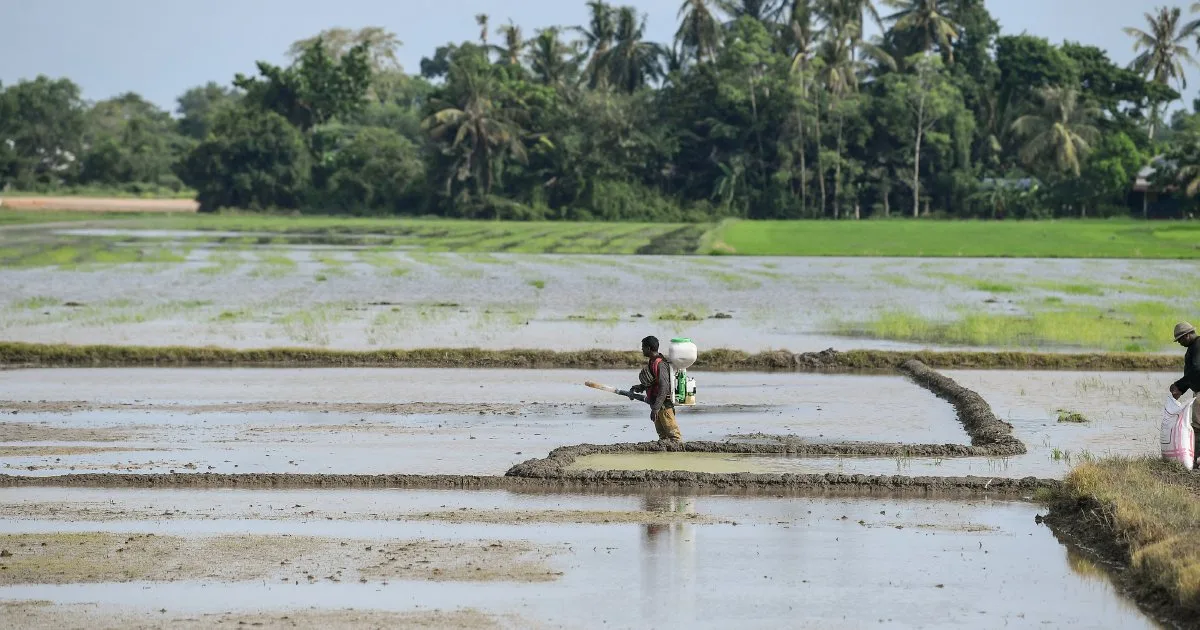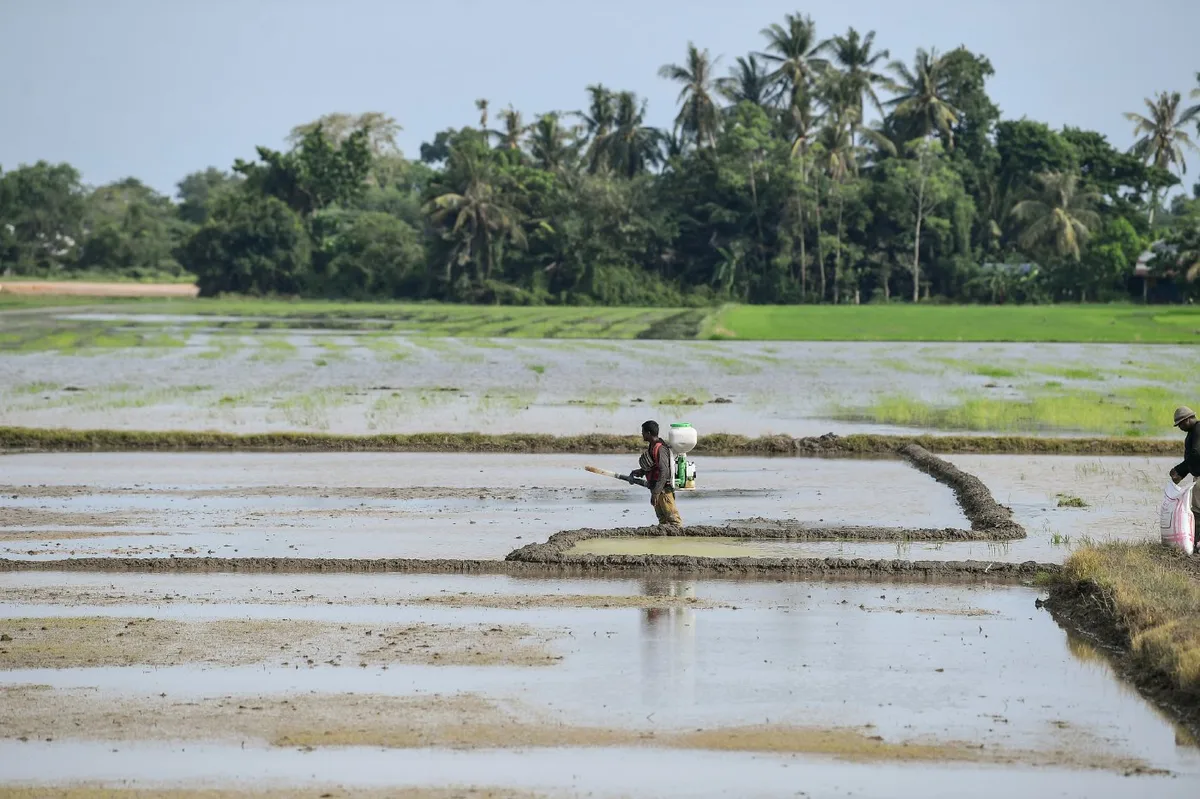
Prime Minister Datuk Seri Anwar Ibrahim announced plans to strengthen Malaysia's diplomatic and economic relations with major global powers including the United States, China, Australia, and ASEAN countries to benefit farmers, plantation operators, and paddy growers. He said these efforts aim to turn improved international relations into greater investment, export opportunities, and access to new agriculture markets [1, 2].
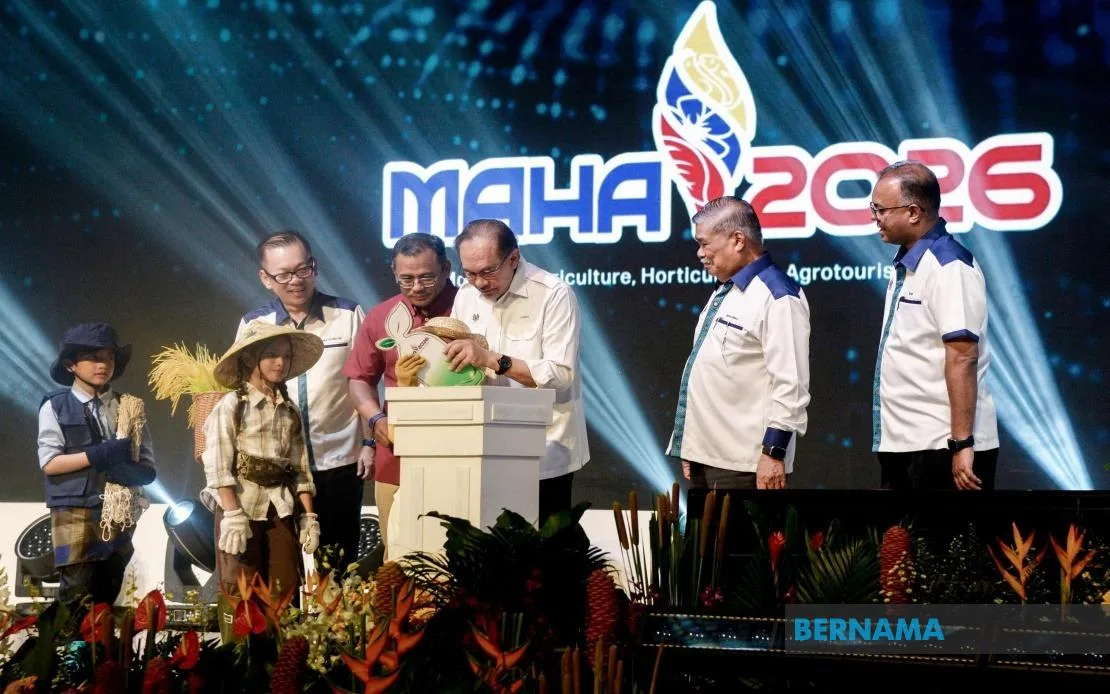
Speaking at the closing ceremony of the Malaysia Agriculture, Horticulture and Agrotourism Exhibition (MAHA) 2026 on September 6, Anwar highlighted significant growth in Malaysia’s pineapple exports and expanded onion production as signs of a modernizing and internationalizing agriculture sector [1]. He stated, "If our relations are good with all countries, with the United States, China, Australia and especially the ASEAN countries, we will do everything possible to make this country one that is friendly with everyone, while improving and protecting the welfare of the people" [1].
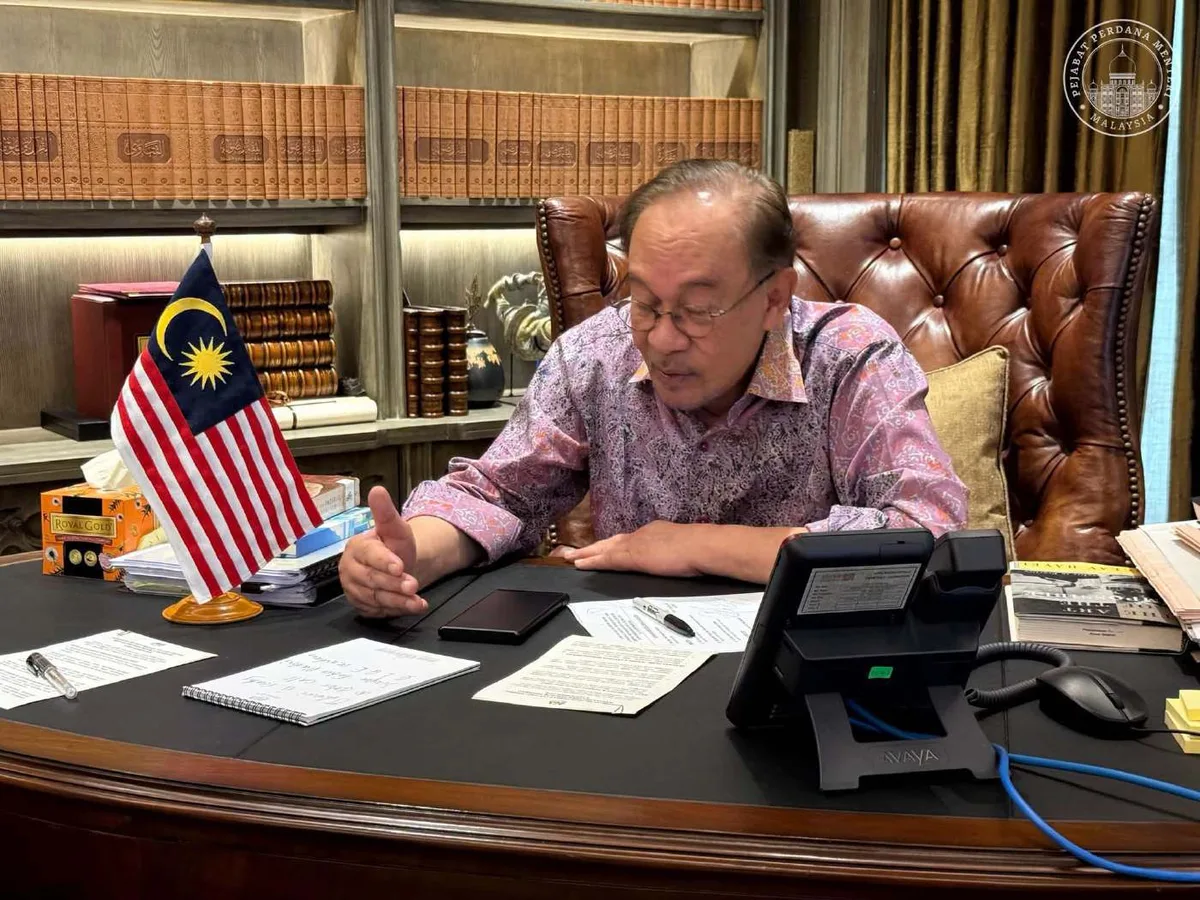
Anwar also confronted the pressing challenge of climate change impacting agriculture and food security. He discussed the global climate crisis and Malaysia’s energy transition efforts during a phone call with former US Vice President Al Gore on the morning of September 6. They addressed reducing dependence on fossil fuels and coal, with Anwar inviting Gore to visit Malaysia to continue climate cooperation talks [2, 3, 4]. Anwar called the climate situation urgent, citing natural disasters like melting Himalayan glaciers causing floods in Nepal, which threaten people in the region including Malaysians [2]. He added, "These are matters we cannot afford to forget; however, what we are capable of planning, we must execute" [4].
Anwar drew attention to the recent severe haze crisis in Serian, Sarawak, where air pollution reached hazardous levels with an Air Pollutant Index over 500 two days before September 6, forcing an emergency declaration. He discussed the haze situation with Al Gore and former Indonesian President Joko Widodo, emphasizing the need for regional cooperation. However, he declined a meeting with Widodo in Penang due to prior commitments in Kuala Lumpur [1, 2, 4].
Malaysia is also advancing undersea cable projects to transmit renewable energy from Vietnam and Sarawak to Johor and Singapore. These efforts will support energy diversification benefiting Sabah, Kalimantan, and the southern Philippines [2].
Anwar summarized, "These efforts are in line with the government's commitment to building a country that is progressive and economically resilient, while preserving environmental sustainability for the well-being of future generations" [3]. The government’s next step includes hosting Al Gore in Malaysia to deepen climate change collaboration and advance the nation’s energy transition agenda [3, 4].