Prime Minister Datuk Seri Anwar Ibrahim announced on August 16 that Malaysia will repeal the Universities and University Colleges Act 1971 (AUKU), aiming to reshape the country’s higher education system by granting universities greater autonomy and shifting the Higher Education Ministry's role to policy oversight rather than direct management [1, 2, 3, 4].
AUKU, which currently has 44 sections with only seven addressing student activities, has long been criticized for restricting student activism and university independence. Multiple amendments over its 55-year history failed to fully address calls for reform [5, 6, 7, 8, 4].
The government plans a new comprehensive law — called the 'One Higher Education Act' — aligned with the Malaysia Higher Education Plan 2026-2035. This legislation will cover university administration, governance, and management but explicitly exclude student matters, which will remain governed under existing laws such as police regulations [2, 9, 3, 5, 7, 8].
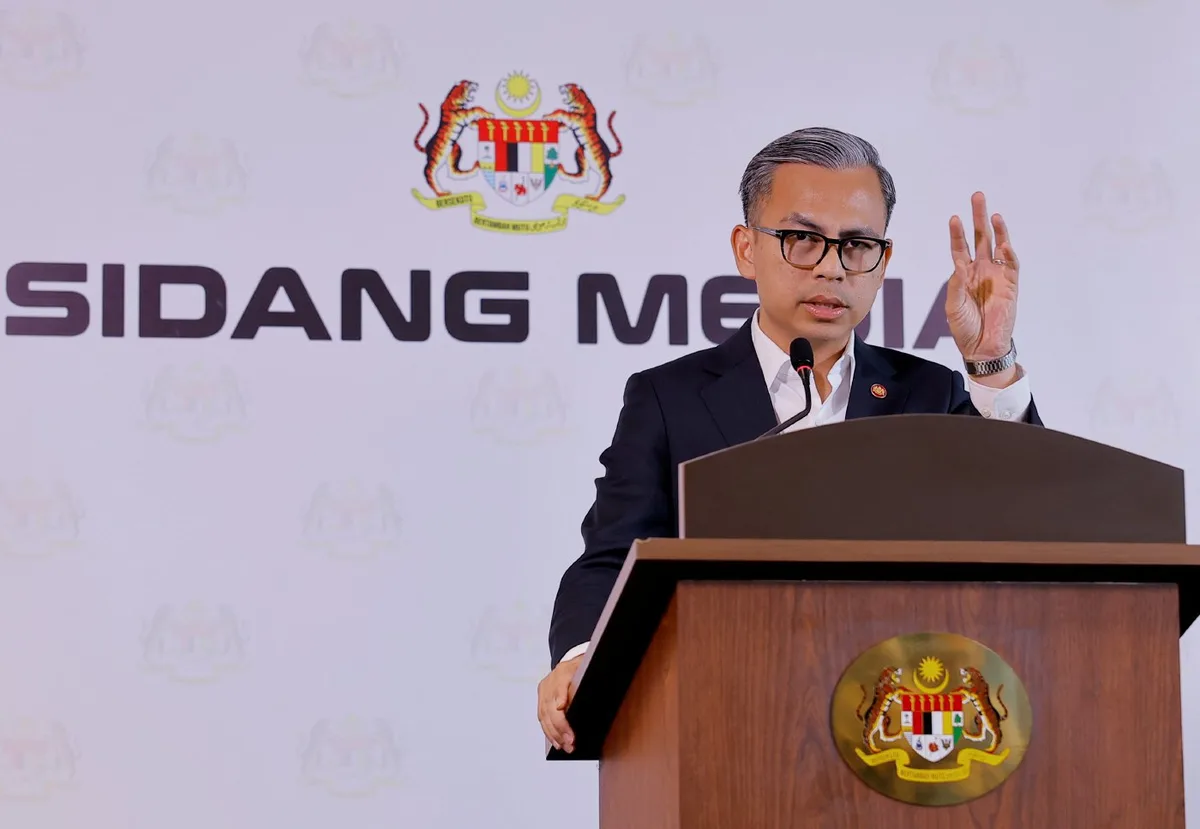
Government spokesman Datuk Seri Fahmi Fadzil said, "Matters involving students and undergraduates should not be included in that legislation," clarifying the scope of the new bill [2, 9, 3].
Higher Education Minister Datuk Seri Dr Zambry Abdul Kadir announced the formation of an independent committee tasked with engaging stakeholders to draft the replacement legislation. He stressed the need for a transitional legal mechanism to prevent operational disruption during the repeal and enactment period: "If AUKU is repealed immediately without a replacement, how will our universities function? Without an overarching legal framework, universities cannot operate. Thus, a transitional legal mechanism must be put in place while we work on the new bill, ensuring that institutional operations run smoothly after the act is repealed" [5, 6, 7, 8].
Datuk Professor Ahmad Farhan Mohd Sadullah, Vice-Chancellor of Universiti Putra Malaysia, welcomed the repeal, saying it provided "an opportunity to reset higher education" with "greater autonomy but with higher accountability in governance to enable financial sustainability" and leaving university operations to the institutions themselves instead of the ministry [1].
Civil society group G25 Malaysia said universities "should be spaces where young Malaysians are encouraged to think critically, exchange ideas, question established views and participate responsibly in the affairs of the nation," adding that a new law should uphold academic freedom, institutional autonomy, and freedoms of expression and association [10].
The repeal was first announced publicly by the prime minister at the PKR Congress on August 16. On August 19, the cabinet was briefed on the plan including the exclusion of students in the new legislation. The independent committee was announced August 20, followed by emphasis on the transitional legal framework August 21. On August 22, the Higher Education Minister reiterated the repeal is part of a broader review of the entire higher education legal framework before introducing the new comprehensive act [9, 3, 5, 6, 7, 8, 4].