The Malaysian government plans to bar children under 16 from creating or maintaining social media accounts by the end of June 2026 or earlier if ready, aiming to curb youth social media addiction and related issues [1, 2, 3, 4]. The age verification system will depend on official identity documents such as the MyKad and electronic Know Your Customer (e-KYC) processes, which are widely used in Malaysia for digital services like e-wallets [1, 3, 4].
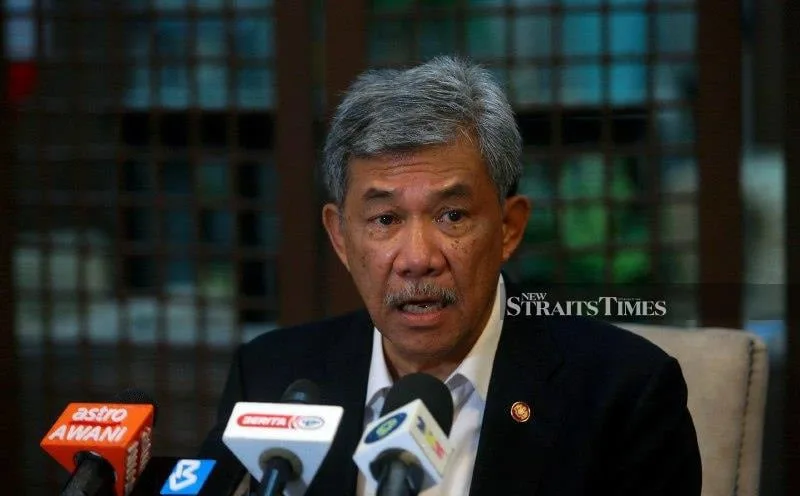
Communications Minister Datuk Fahmi Fadzil clarified there is no policy conflict in using MyKad for this purpose. He said, "In terms of policy, MyKad is already used for authentication. We therefore see no contradiction in using official documents for age verification, as this approach is already adopted in other sectors" [1]. He reiterated this point during a May 20 briefing, noting the Personal Data Protection Act will govern data handling in these processes [3, 4].
The Malaysian Communications and Multimedia Commission (MCMC) will hold a media briefing soon to explain technical and policy details of the MyKad-linked age verification system [3, 4].
Research shows high rates of social media addiction among Malaysian youth. A survey of 350 university students in Selangor found a 73.71% addiction rate, highlighting concerns about mental health risks linked to heavy social media use [2]. This research supports government efforts to restrict access for younger users.
However, civil society groups and UNICEF have voiced strong concerns about the restrictions. They say banning under-16s from social media could limit freedom of expression and push youth toward less regulated online platforms [2]. NGOs have also criticized the e-KYC age verification for removing anonymity and potentially increasing user risks [2].
Despite these concerns, the government remains committed to the policy, citing the widespread domestic use of MyKad verification for many online services and legal protections under existing data laws [1, 3, 4].
The next key step will be the MCMC’s media briefing, expected shortly, which will detail how the age verification system will work and address public policy and security questions [3, 4]. The government aims to roll out restrictions by the end of June 2026 or earlier if the system is ready.