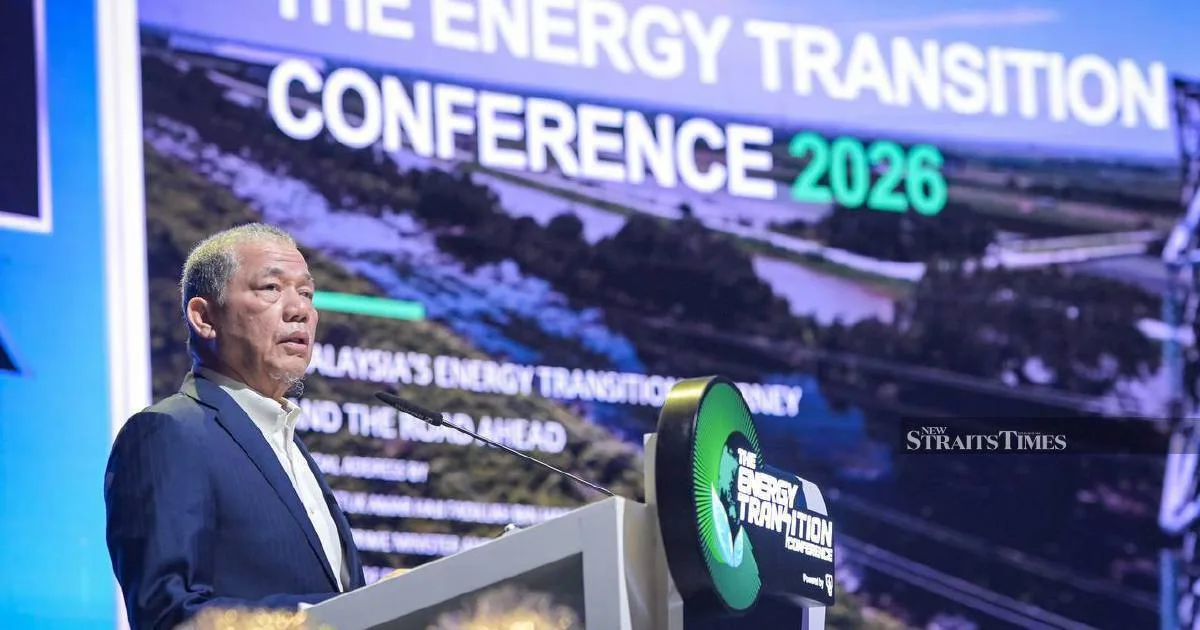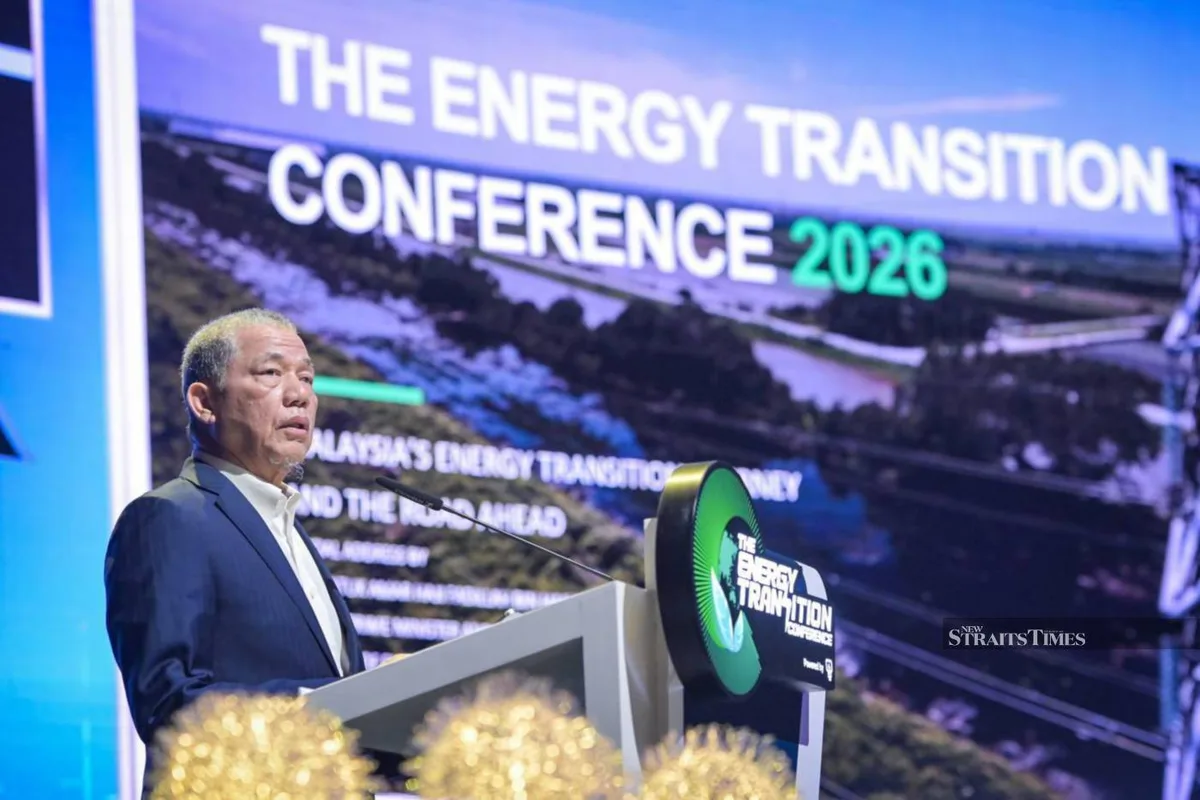
Deputy Prime Minister Datuk Seri Fadillah Yusof called for an urgent energy transition as both an economic necessity and strategic priority for Malaysia and ASEAN at the Energy Transition Conference 2026 in Kuala Lumpur on June 17 [1, 2]. He warned that the choices made today on energy production and consumption will shape the legacy for future generations, saying, "The choices we make today, particularly in how we produce, consume and manage energy — will determine the legacy we leave to future generations" [2].
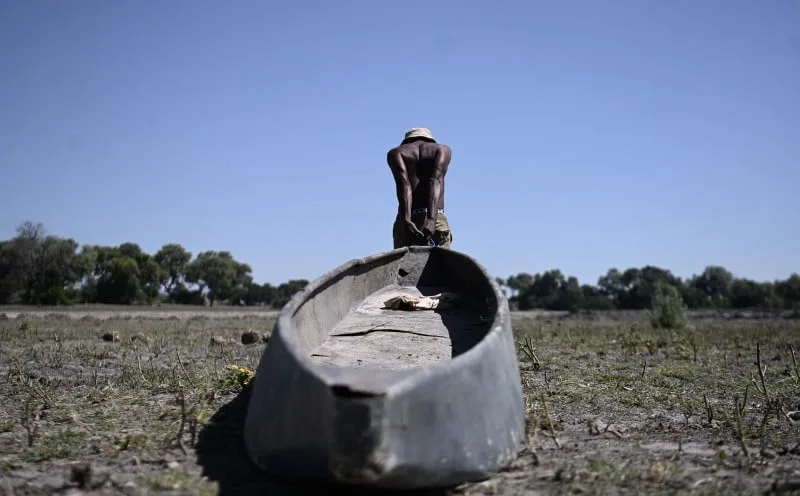
Southeast Asia’s electricity demand is expected to grow 4 to 5 percent annually over the next decade due to industrialisation and urbanisation, increasing pressure on energy supply [1]. Globally, proven oil and gas reserves are estimated to last about 50 years at current production rates, with coal reserves potentially lasting 130 years [1, 2]. The geopolitical tensions in West Asia have increased volatility in energy markets, underscoring the need to reduce dependence on fossil fuels [1, 2].
Malaysia’s energy transition is guided by the National Energy Transition Roadmap (NETR), which aims for net-zero carbon emissions by 2050 [1]. As of 2025, the country has installed more than 13.3 gigawatts of renewable energy capacity, with solar power leading growth [1]. The renewable energy mix in Malaysia includes solar, small hydro, biomass, and biogas [2]. Renewable energy was introduced as the "fifth fuel" in Malaysia’s National Energy Policy in the early 1990s, complementing oil, gas, coal, and hydropower [2].
Deputy Prime Minister Fadillah emphasised the challenge is not only how long fossil fuel reserves will last but managing a fair and orderly shift to sustainable energy systems: "The question is not just how long our fuels will last, but how we manage a fair and orderly transition towards a more sustainable energy system" [1].
The next key milestone for Malaysia’s energy sector will be reaching net-zero emissions by 2050 according to the National Energy Transition Roadmap [1].