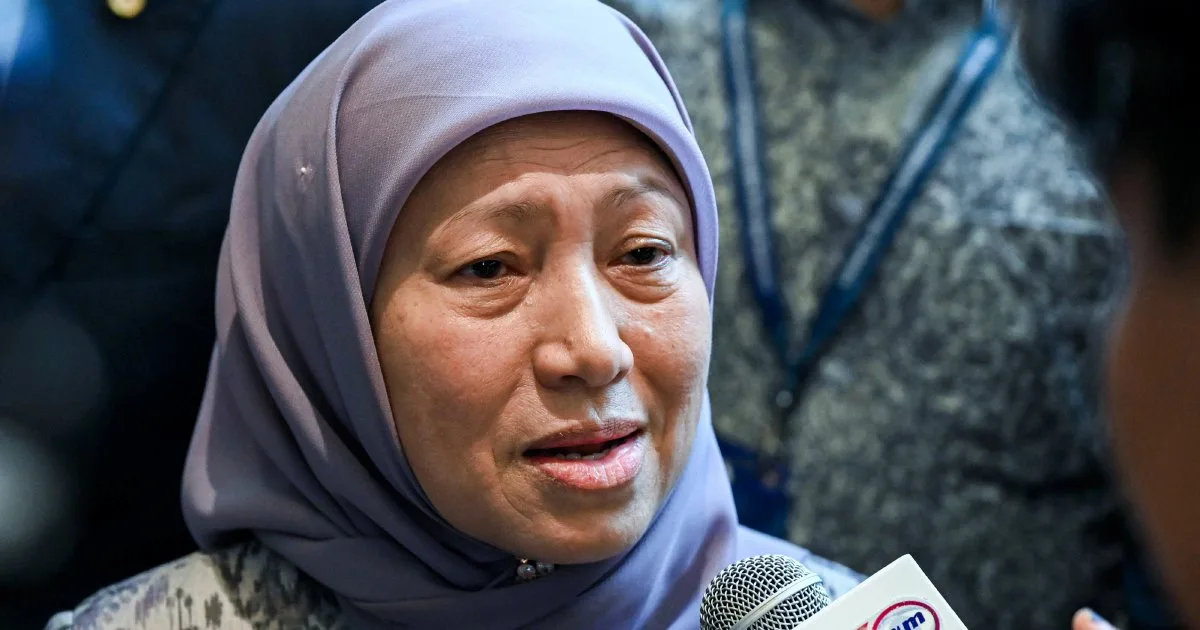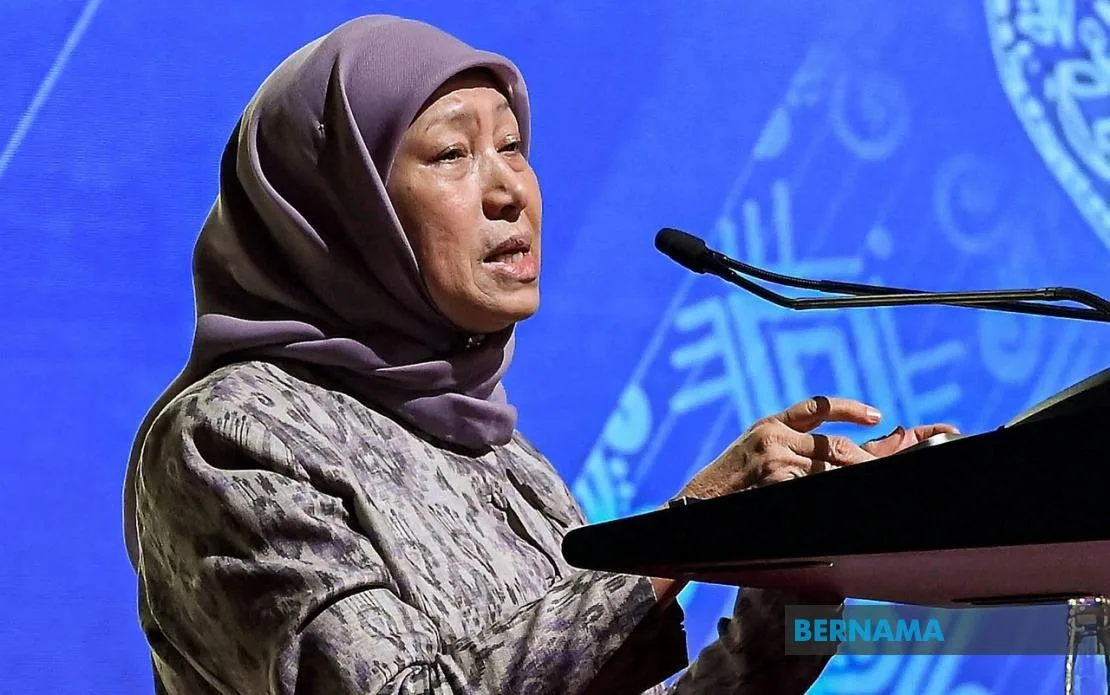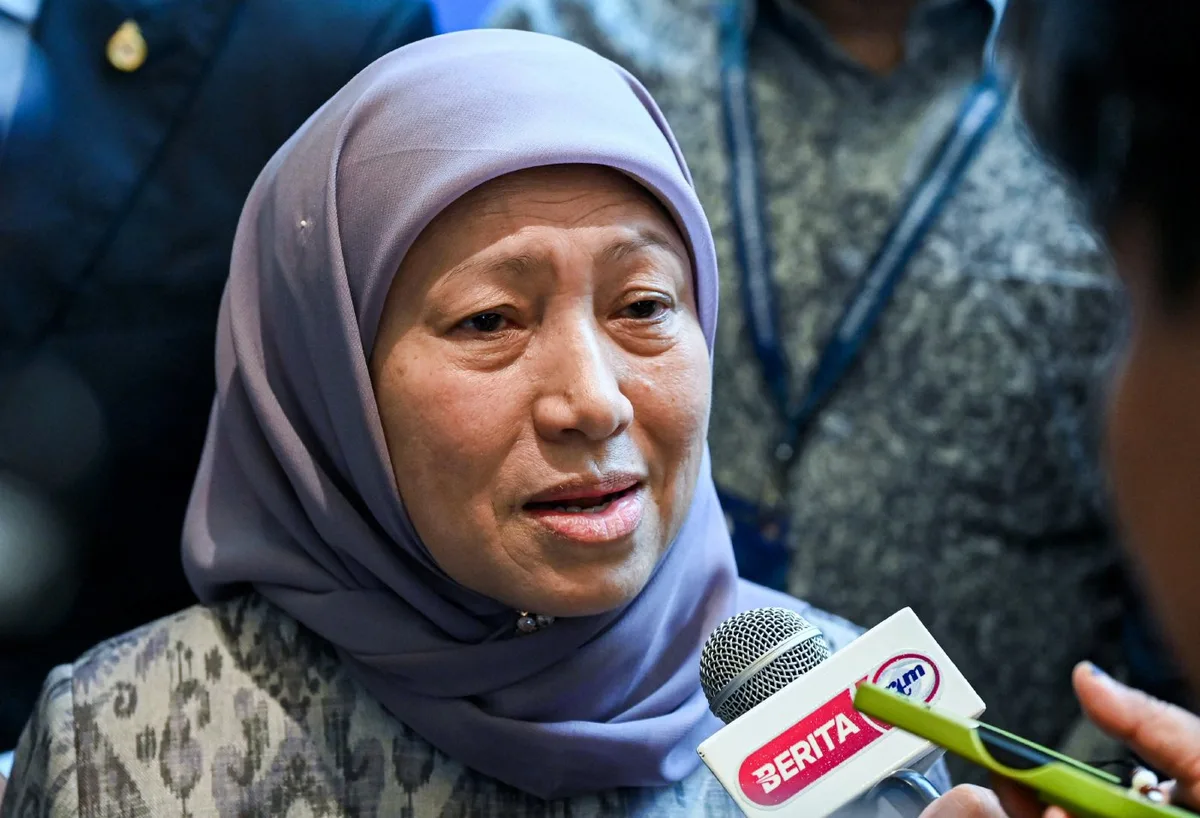
At the closing of the 7th International Sustainable Energy Summit on August 12 in Kuala Lumpur, Women, Family and Community Development Minister Datuk Seri Nancy Shukri urged greater female participation in Malaysia’s energy transition [1]. The summit, organized by SEDA Malaysia under the Ministry of Energy Transition and Water Transformation, focused on cross-border energy cooperation, green investments, and accelerating ASEAN’s shift to low-carbon energy systems [1, 2].
Despite women making up 56.6% of Malaysia’s labour force in 2025—considerably lower than the 83.3% participation rate for men—female graduates in engineering, manufacturing, and construction represent only 15.7% of the total, according to the ASEAN Energy Database System [1, 2, 3]. However, the economic participation of women in technical and energy sectors remains disproportionately low despite this educational achievement [1, 2, 3].
Of the 7.03 million people outside the labour force in Malaysia, 4.89 million (69.5%) were women, with 42.8% of these women citing housework and family responsibilities as the main reason for not working [1, 2, 3].
"The energy transition is not only about systems, targets, and new technologies. Ultimately, it is about improving our people—how they live, work and build their future," Nancy Shukri said [1]. She emphasized that women should not be viewed solely as beneficiaries but as active leaders shaping policy, investment, technology development, and industry direction in energy [1, 3]. She also stated, "Talent is not the problem. The issue is whether women have the opportunity, support and space to put that talent to work" [2].
Speakers at the summit urged the incorporation of Gender Equality, Disability and Social Inclusion (GEDSI) principles to ensure a just and inclusive transition [1, 2, 3]. The event underscored the urgency of breaking systemic barriers blocking female talent from contributing fully to Malaysia’s green economy [3].
The summit ran over two days at the Kuala Lumpur Convention Centre and gathered stakeholders across ASEAN to discuss energy transition strategies [1, 2]. A follow-up report released on August 13 reinforced calls for structural reforms to integrate women effectively into the sector [3].