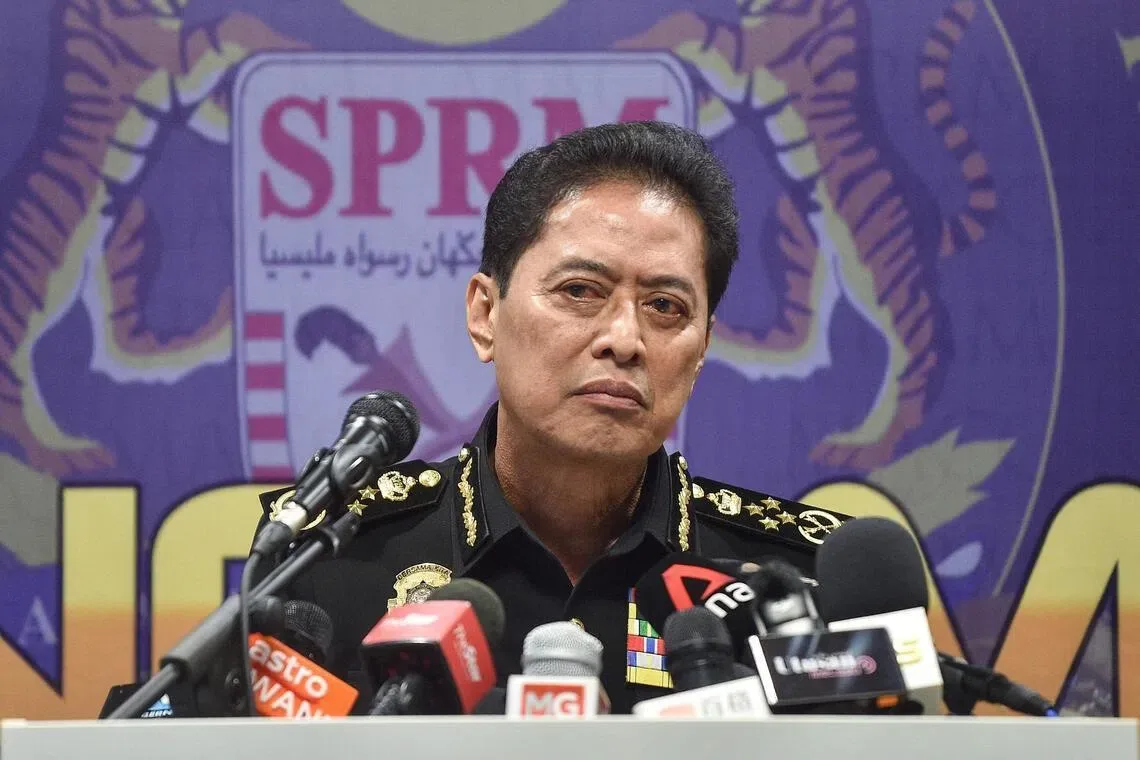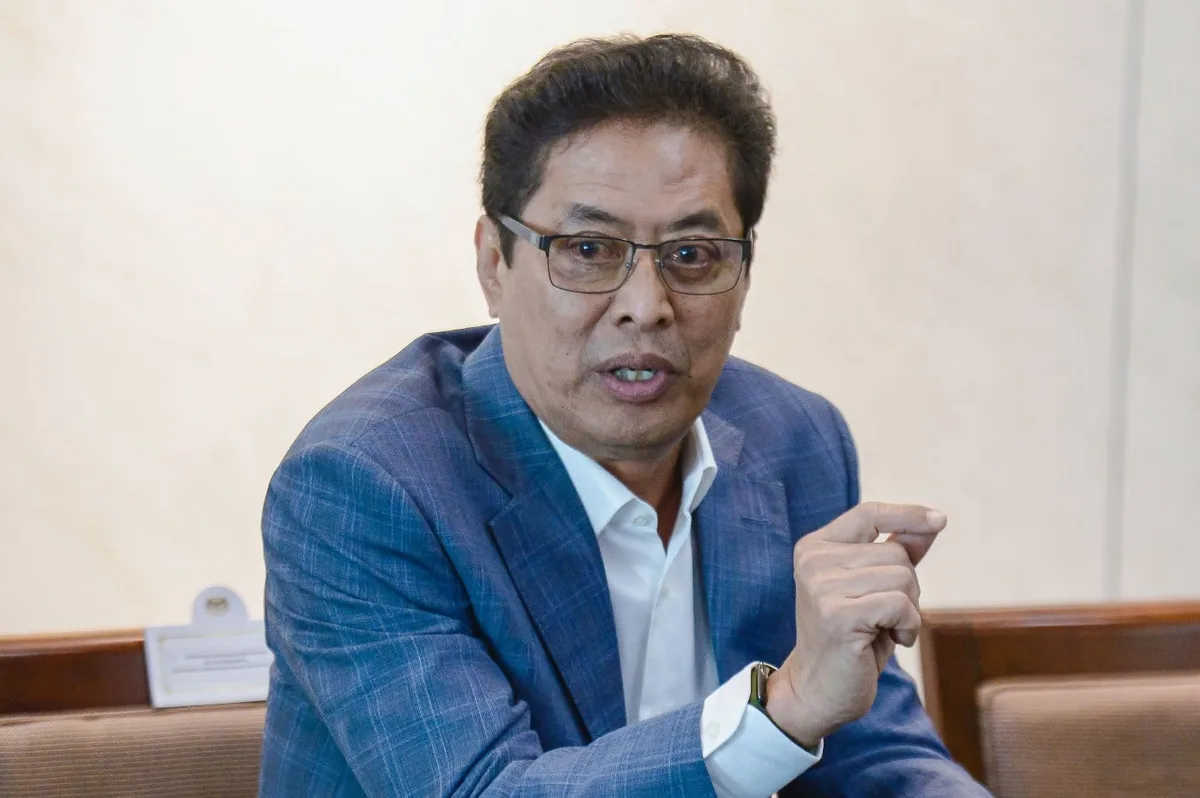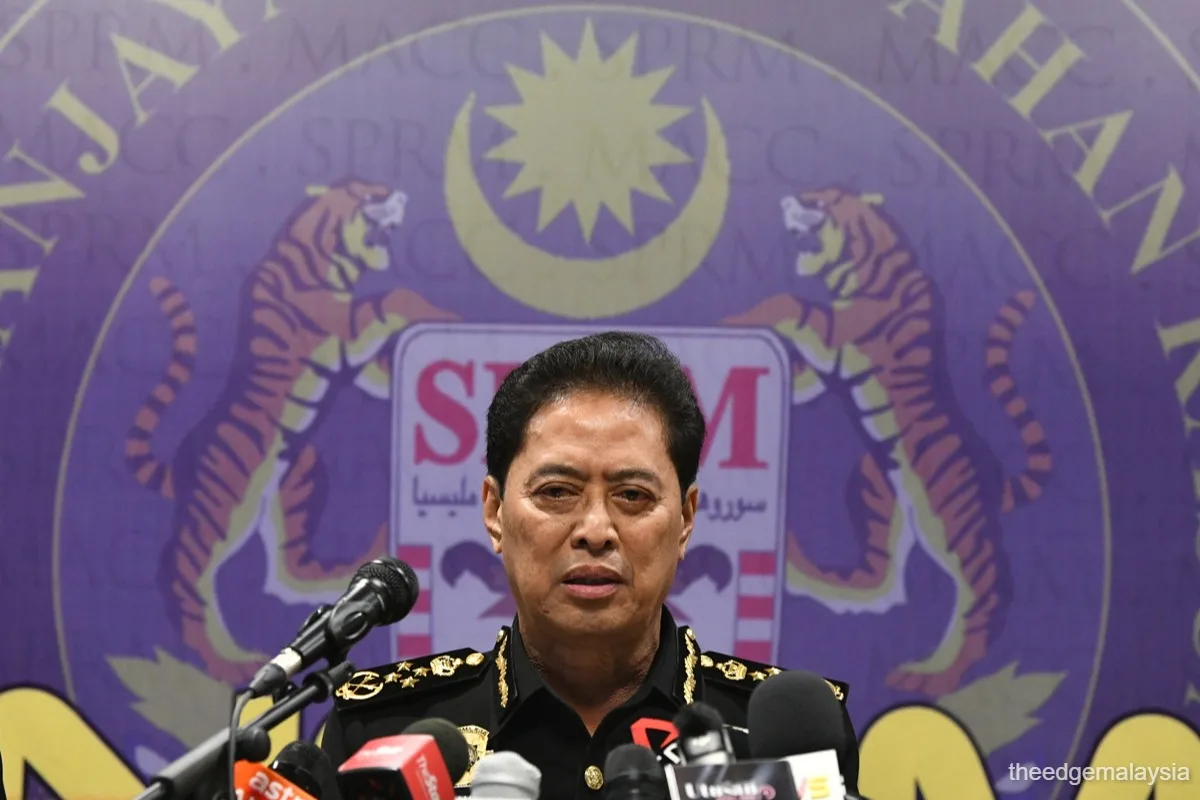
Two official investigations have examined former Malaysian Anti-Corruption Commission (MACC) chief Azam Baki’s shareholdings, but neither report has been made public as of today [1, 2, 3]. Azam retired on May 13 after his contract was not renewed [1, 2, 3].
Azam held roughly 17.7 million shares in Velocity Capital Partner Bhd, a financial services company, with an estimated value of about RM800,000 at current share prices [3]. Allegations say this shareholding breached civil service regulations, though Azam denies wrongdoing and claims transparency [1, 3].
A Bloomberg report in February accused MACC officials of colluding with a ‘corporate mafia’ network to intimidate executives and wrest control of companies, an allegation denied by MACC [2, 3]. Following these claims, a three-member task force led by Attorney General Tan Sri Mohd Dusuki Mokhtar investigated Azam’s shares and sent a report to the Cabinet in March [1, 2]. The Cabinet instructed the chief secretary to handle next steps [2].
Communications Minister Fahmi Fadzil said in April that findings from both probes would be made public once complete, but no formal disclosure has occurred [2].
On July 1, five MPs—Wong Chen, Hassan Karim, Kesavan Subramaniam, Rodziah Ismail, and Lee Chean Chung—requested immediate public release of the investigation reports or at least submission to a parliamentary committee for review [1, 3]. Wong Chen said, “Not answering or not moving forward or not investigating or revealing the investigation done is not good governance” and added that the government’s silence since Azam’s retirement has hurt Malaysia’s reputation [2, 3]. He called for the report to be released publicly or reviewed by parliament [3].
Additionally, 51 NGOs submitted a memorandum on June 30 urging the establishment of a Royal Commission of Inquiry (RCI) into Azam’s shareholdings and the alleged corporate mafia network, with MPs encouraged to declare their stance [1, 3]. If a majority of MPs endorse the RCI, Prime Minister Anwar Ibrahim must recommend it to the Yang di-Pertuan Agong [1].
Prime Minister Anwar’s Cabinet originally ordered the investigations, reflecting ongoing government efforts to address concerns, though concrete actions or disclosures remain pending [2].