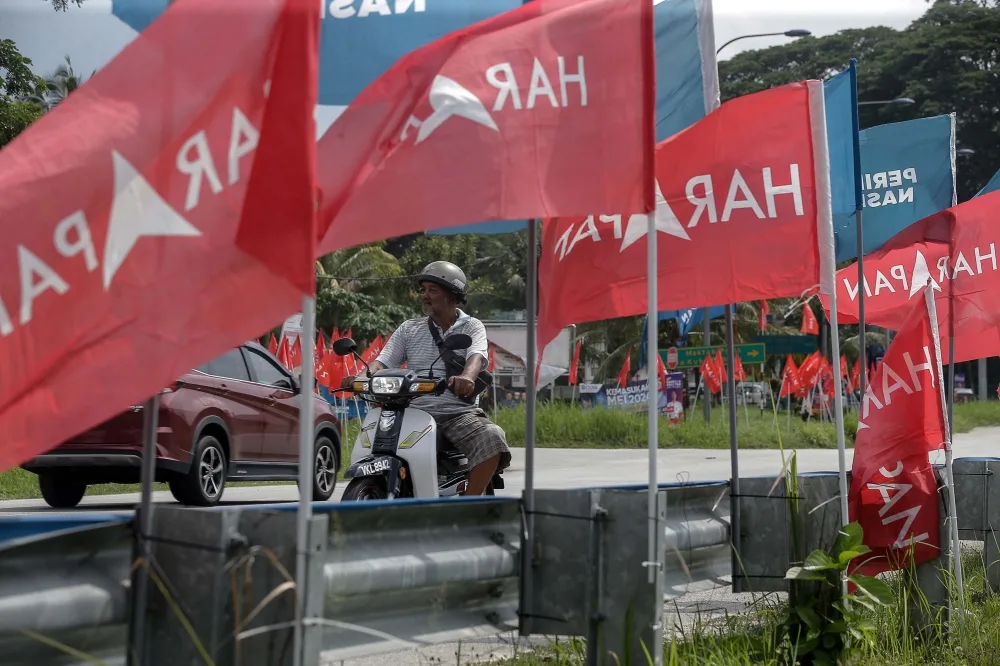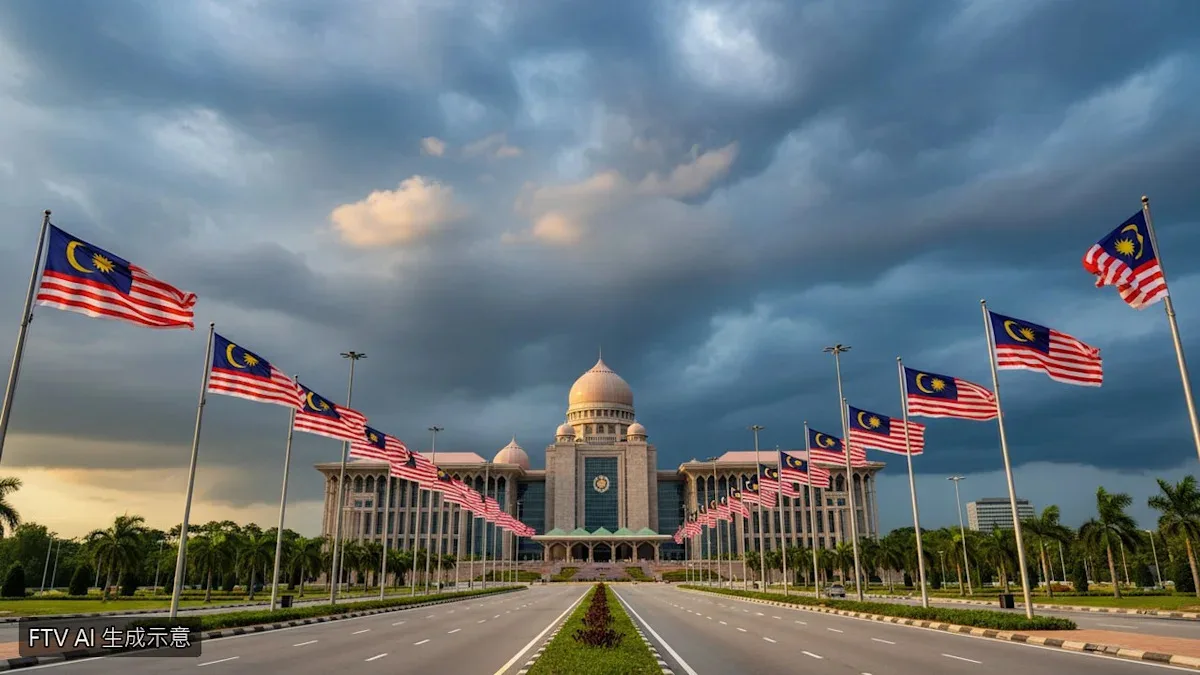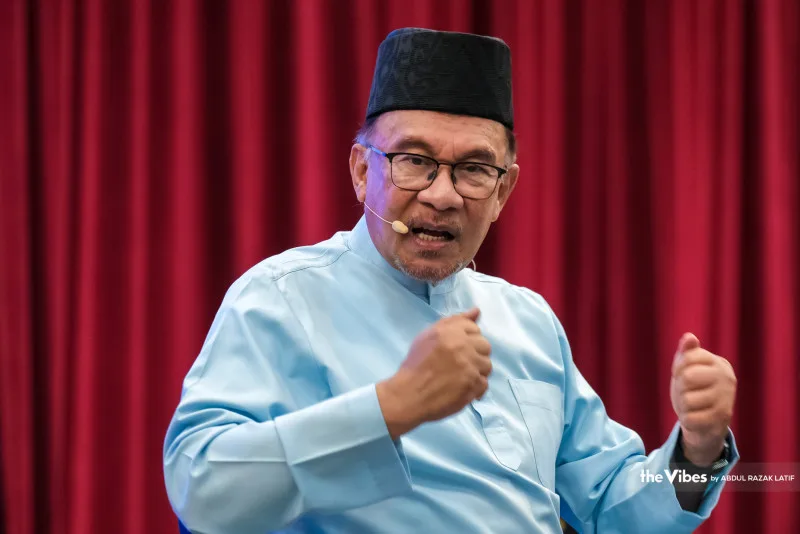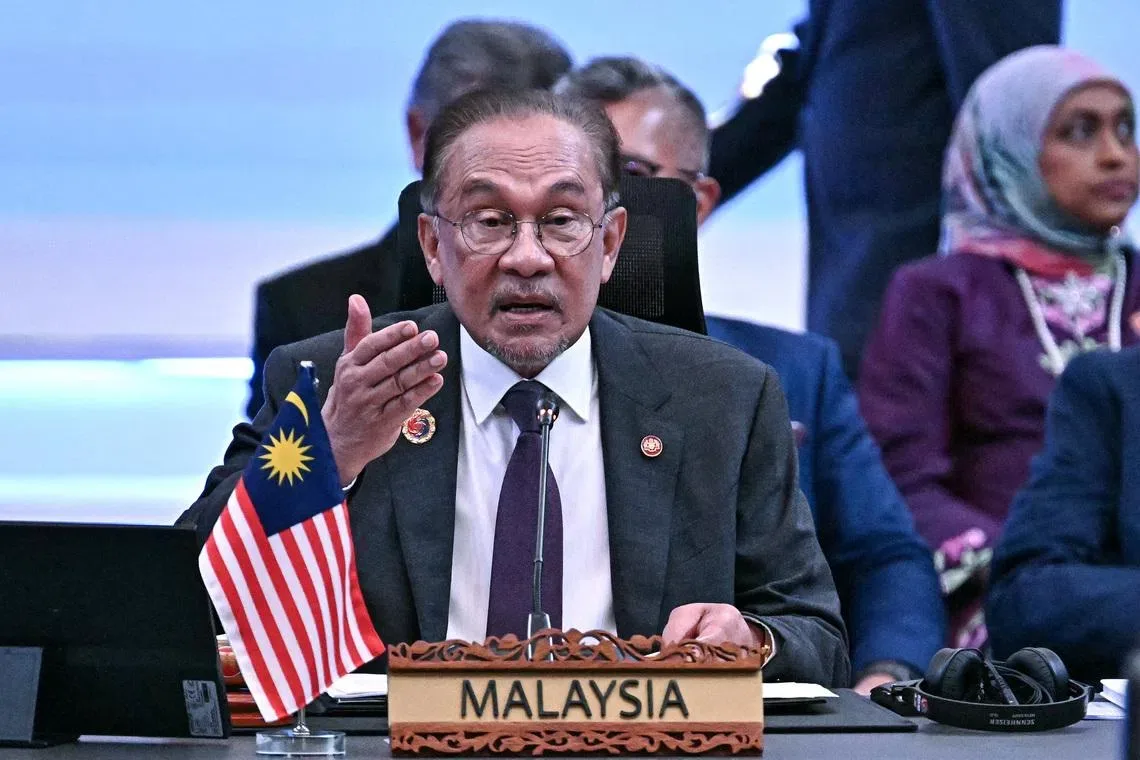
Malaysian Prime Minister Anwar Ibrahim said he would consider calling a snap general election if tensions within the ruling coalition worsen, as he faces growing cracks within his alliance [1, 2, 3]. The next scheduled general election is due in February 2028, but Parliament could be dissolved for an early vote as soon as July 2026 [1, 2, 3].
Anwar formed a unity government in November 2022 that brought together Pakatan Harapan, Barisan Nasional (BN), and other parties after a hung parliament election [1, 2, 3]. Since then, tensions have risen, especially with BN’s United Malays National Organization (UMNO) concerned about corruption allegations and the royal pardon for former Prime Minister Najib Razak [1, 2, 3]. Johor BN recently announced it would contest the state election independently without Pakatan Harapan’s support, indicating fractures within the coalition [1, 2, 3].
The government also faces financial pressure from a rising energy subsidy bill linked to the US-Israeli war on Iran. Officials report monthly energy subsidies around 7 billion Malaysian ringgit (about SGD 2.3 billion or TWD 50 billion), a heavy burden on public finances [1, 2, 3]. Anwar’s consideration of an early election could be a strategic move to address these difficulties and potentially synchronize federal and state elections in Johor, Melaka, and Sarawak, cutting overall election costs, as noted by the Election Commission [1, 2, 3]. The EC recently stated, "An early general election would allow state polls to be held concurrently, reducing costs" [1].
Opposition party Bersatu is currently divided, which weakens their electoral position and could benefit the ruling coalition if an early vote happens [3]. Meanwhile, Anwar has made prominent appearances in Permatang Pauh, his family’s traditional seat for over 40 years before losing to PAS in 2022. During recent Aidiladha celebrations there, he donated 260 cattle, fueling speculation he might contest the seat again [4].
The timeline shows key milestones: Anwar became Prime Minister and formed the unity government in November 2022; in February 2026 the Election Commission discussed synchronizing polls; in March 2026 lawmakers indicated an election could be held as early as July 2026; and in May 2026 Johor BN declared it would contest state polls independently [1, 2, 3].
Anwar’s next moves and coalition dynamics will be closely watched as Malaysia approaches the earliest possible dissolution of Parliament and a general election that could reshape its political landscape by mid-2026.