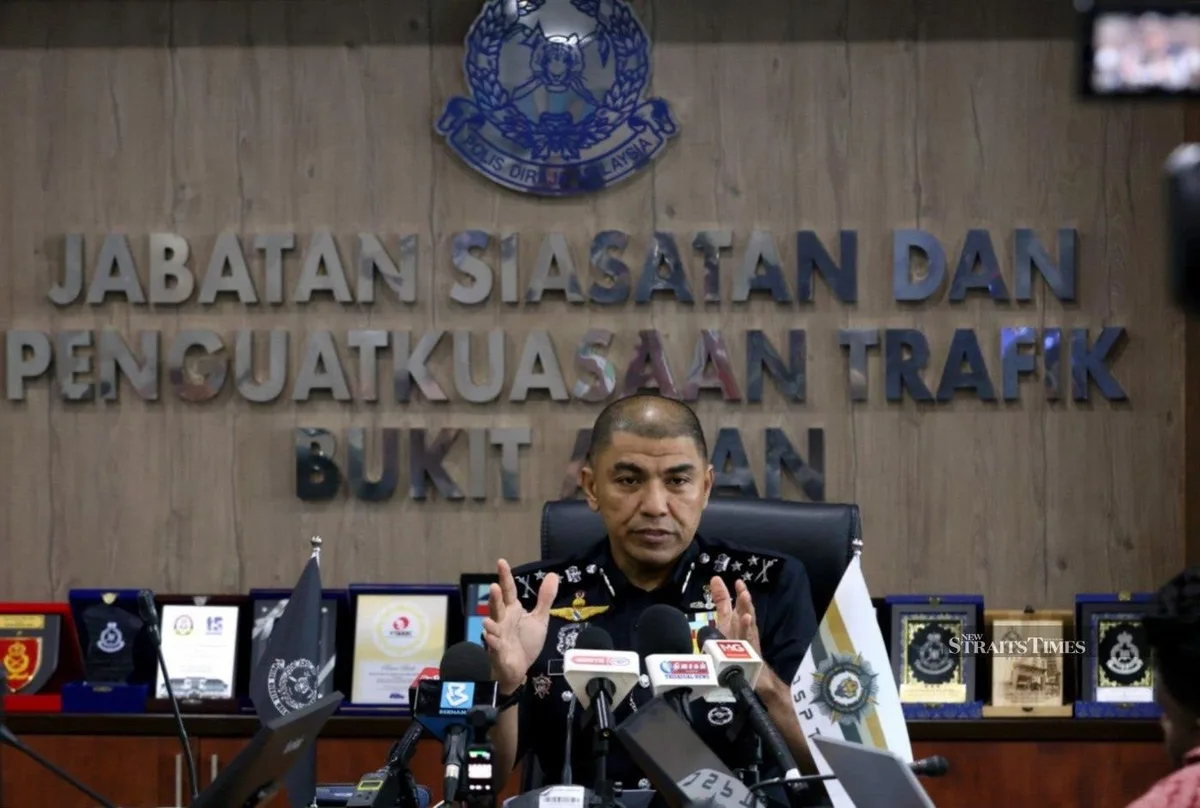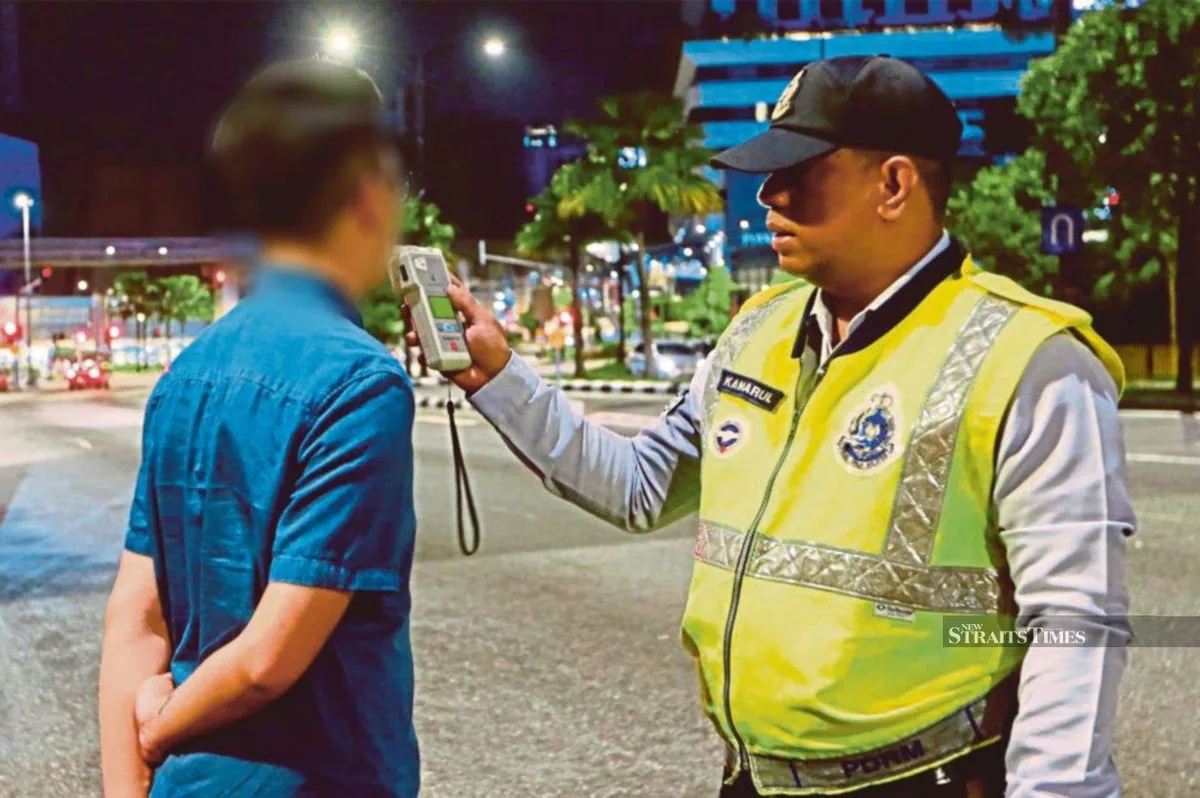
Malaysian police arrested 135 drivers for driving under the influence of drugs between April and June 2026, with 121 of those arrested identified as commercial vehicle drivers, primarily lorry drivers. These arrests resulted from 44 integrated nationwide operations involving Bukit Aman TEID, the Narcotics Criminal Investigation Department (NCID), and the National Anti-Drugs Agency (AADK) [1, 2, 3, 4].
During the crackdown, 713 urine tests were conducted on commercial vehicle drivers. Methamphetamine, known locally as syabu, was the most common drug detected. Many drivers reportedly used it to stay awake during long hauls, increasing the risk of fatal accidents due to impaired concentration and judgment [2, 3, 4, 5]. Datuk Seri Muhammed Hasbullah Ali, a senior official, said, "We are focusing on commercial vehicles because they pose a much greater danger to other road users if they are operated by drivers under the influence of drugs or alcohol. There will be no compromise. We will continue to increase the frequency of these operations nationwide" [2].
The operations targeted a broad range of commercial vehicles, including lorries, trailers, express buses, worker buses, school buses, and trucks carrying hazardous materials [2, 4]. On July 1, 2026, a separate 10-hour AADK-led operation screened 244 drivers and arrested 22 for abusing syabu, ketum (a herbal stimulant), and ganja. Use of ketum has emerged as a new trend among drivers seeking to maintain stamina on long trips, but it carries similar risks of impaired driving [5, 6]. Datuk Ruslin Jusoh explained, "Most drivers take these substances to stay energised. Syabu, for instance, is a stimulant that enables them to work longer hours, while ketum has emerged as a new trend among drivers seeking to maintain their stamina during long periods of driving. However, when the effects of the drugs wear off, users may collapse or become unconscious, while when high, they may be unable to control their actions, which can lead to accidents" [5].
Police are proposing tougher penalties, including permanent revocation of both vocational and personal driving licences for serious offenders. They are also seeking enhancements to the Merit-Demerit system to increase the impact of punishments [7, 8]. "We are looking at strengthening our Merit-Demerit system so that the punishment has a greater impact on offenders. We are also discussing proposals to revoke both commercial and personal driving licences for serious offenders before submitting recommendations to the government," said Datuk Seri Muhammed Hasbullah Ali [8].
Authorities are developing a comprehensive profiling system to track drivers, vehicles, and companies to improve enforcement and hold employers accountable. Datuk Seri Muhammed Hasbullah Ali added, "It cannot only be the driver who is held accountable. The company that appoints the driver must also bear responsibility because it has a duty to ensure those it hires are fit to drive" [8, 4]. Transport companies are urged to conduct regular urine screening of drivers, ideally weekly or monthly, to comply with drug-free regulations. Failure to do so may result in suspension of operator licences [8, 4, 5].
Since 2023, the Smart Lane initiative on Malaysian highways has reduced congestion by 30 to 50 percent and maintained low accident rates. Between January and May 2026, 36 mostly minor accidents were recorded at 12 Smart Lane locations. Transport Minister Alexander Nanta Linggi said, "The Smart Lane initiative has demonstrated strong effectiveness, reducing traffic congestion by between 30 per cent and 50 per cent. In terms of safety, accident rates within Smart Lane zones are very low compared to overall traffic volume" [9, 10, 11]. The Ministry also uses AI-enabled CCTV to monitor safety and traffic flow.
The next major enforcement focus will likely be implementation of the proposed tougher penalties and the rollout of the driver-company profiling system to strengthen accountability across the transport sector [7, 8].