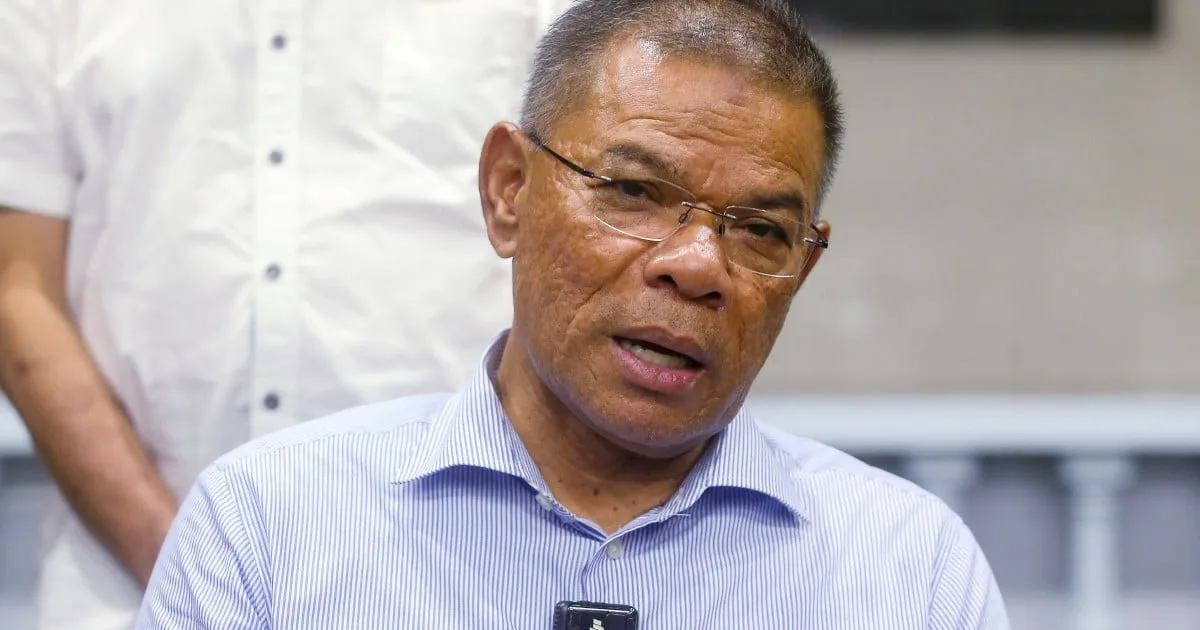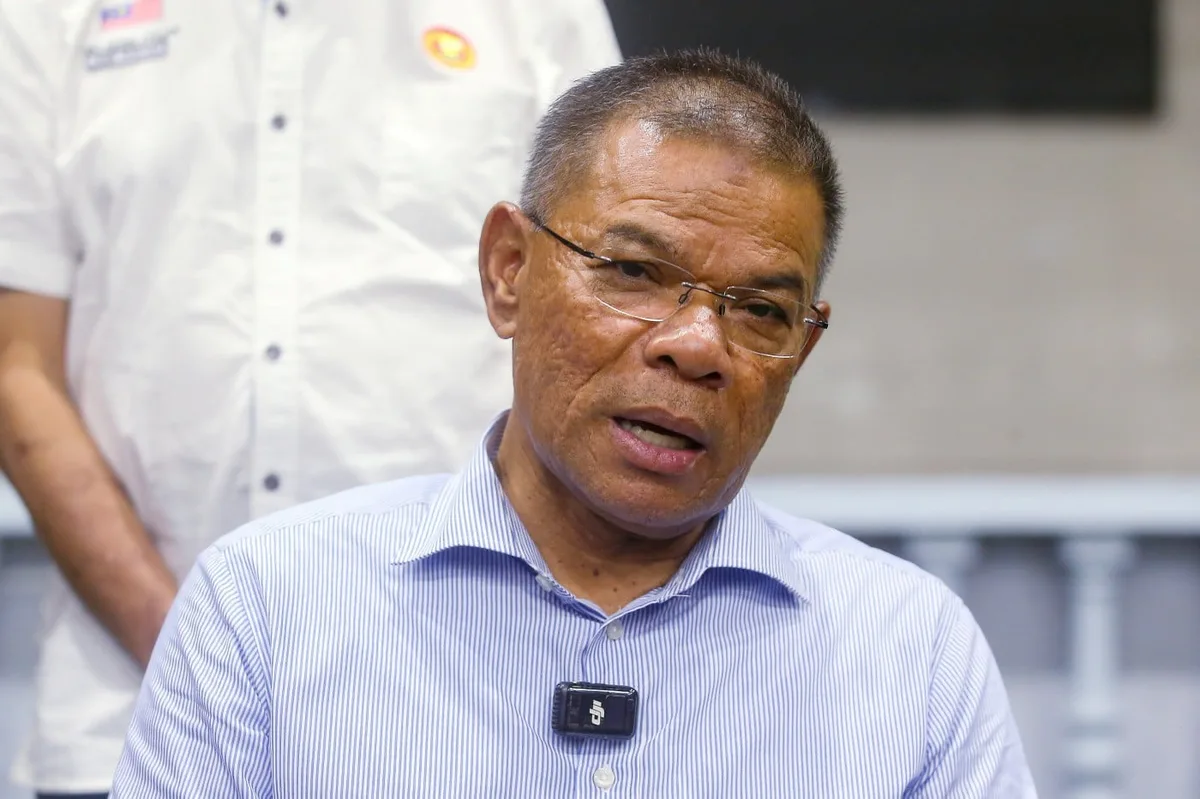
Malaysia officially launched its Refugee Registration Document (DPP) programme on January 1, 2026, to manage refugees and asylum seekers within the country [1, 2]. The programme does not grant permanent residency to registered refugees, according to Home Minister Datuk Seri Saifuddin Nasution Ismail, who clarified the three possible outcomes: repatriation when safe, resettlement to a third country through UNHCR, or deportation for legal violations [1].
The DPP seeks to build a government-managed database using biometrics, voice recordings, and facial recognition to monitor refugees carefully [1, 2]. Phase one focuses on 4,010 Rohingya detainees across Malaysia’s immigration detention depots. Of these, 4,008 are from Myanmar while one each is from Sudan and Syria [1, 2]. Authorities recently began relocating detainees in phases to the Bidor (Mei Luo) Special Refugee and Asylum Seeker Separation Centre for detailed interviews and refugee status assessments [1, 2].
Currently, the Bidor centre holds 101 Rohingya detainees. Among them, 78 have passed strict background, security, and immigration checks to gain formal refugee status under the DPP [2]. The programme also connects eligible refugees to employers in sectors facing labor shortages, with some job interviews already underway in Penang [2]. Most confirmed refugees are between 20 and 40 years old, categorized as of productive working age [2].
Home Minister Saifuddin emphasized the balance between humanitarian assistance and national security, stating in Mandarin, “We provide help based on humanitarian spirit, but security elements cannot be ignored. Balancing humanitarian values and national security is the government’s most important consideration” [2]. He also reiterated that registration does not guarantee indefinite stay and highlighted the three outcome options for refugees [1, 2].
The DPP programme is led by Malaysia’s Home Ministry and coordinated across 20 government ministries and agencies [1]. On May 18, 2026, Minister Saifuddin visited the Bidor centre to provide updates on the programme’s progress and challenges [1, 2]. The next steps include continuing refugee status determinations and scaling the programme beyond the initial Rohingya detainees to better meet labor market demands and security requirements [1, 2].