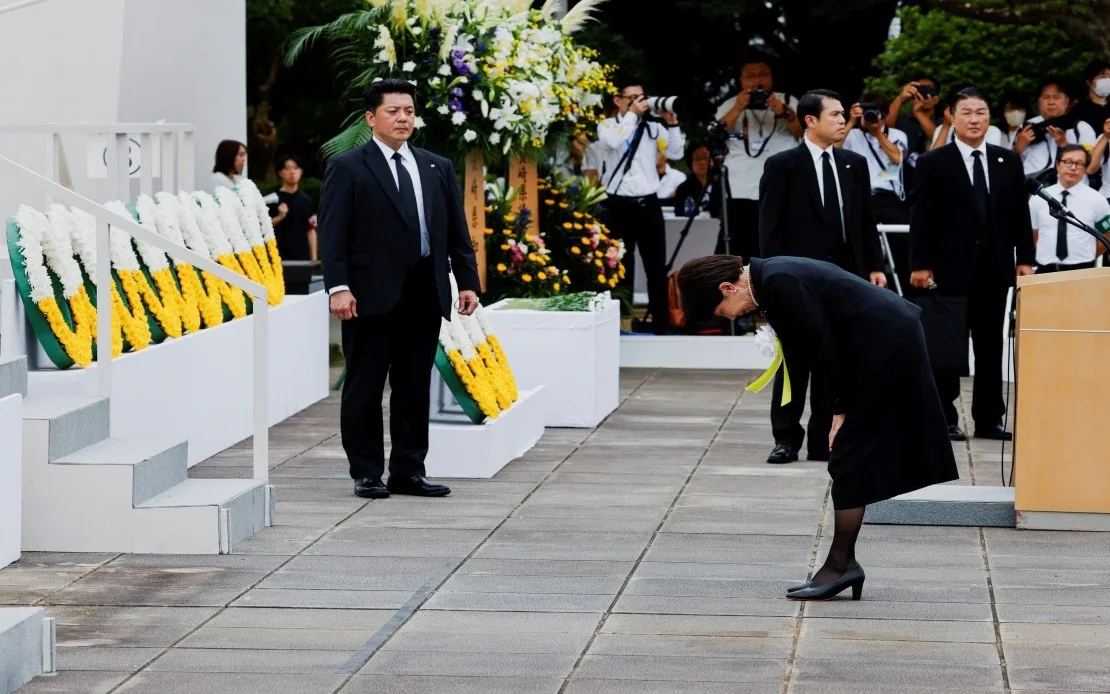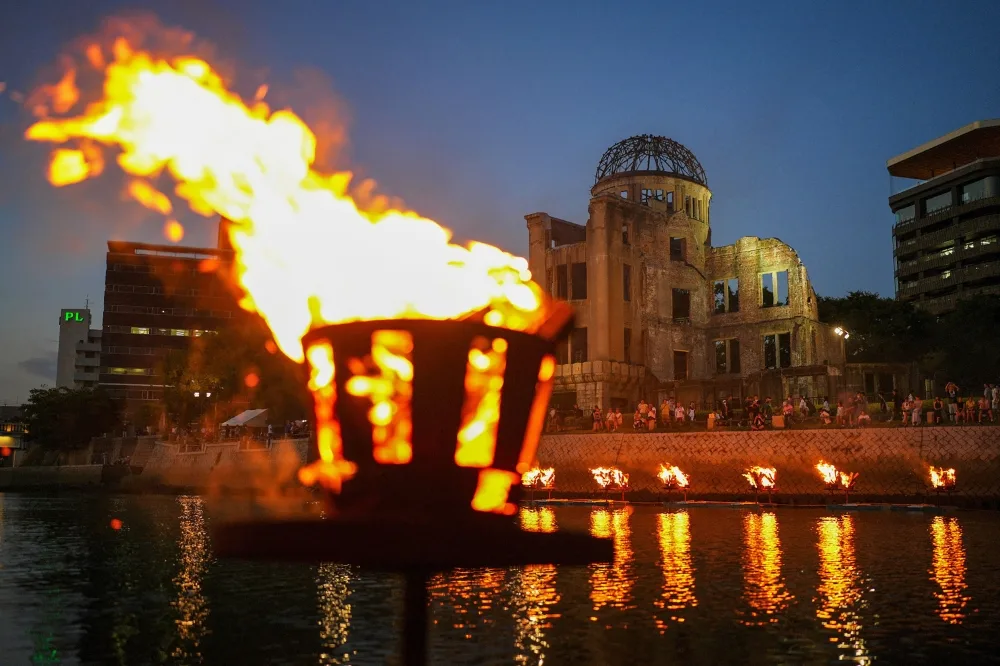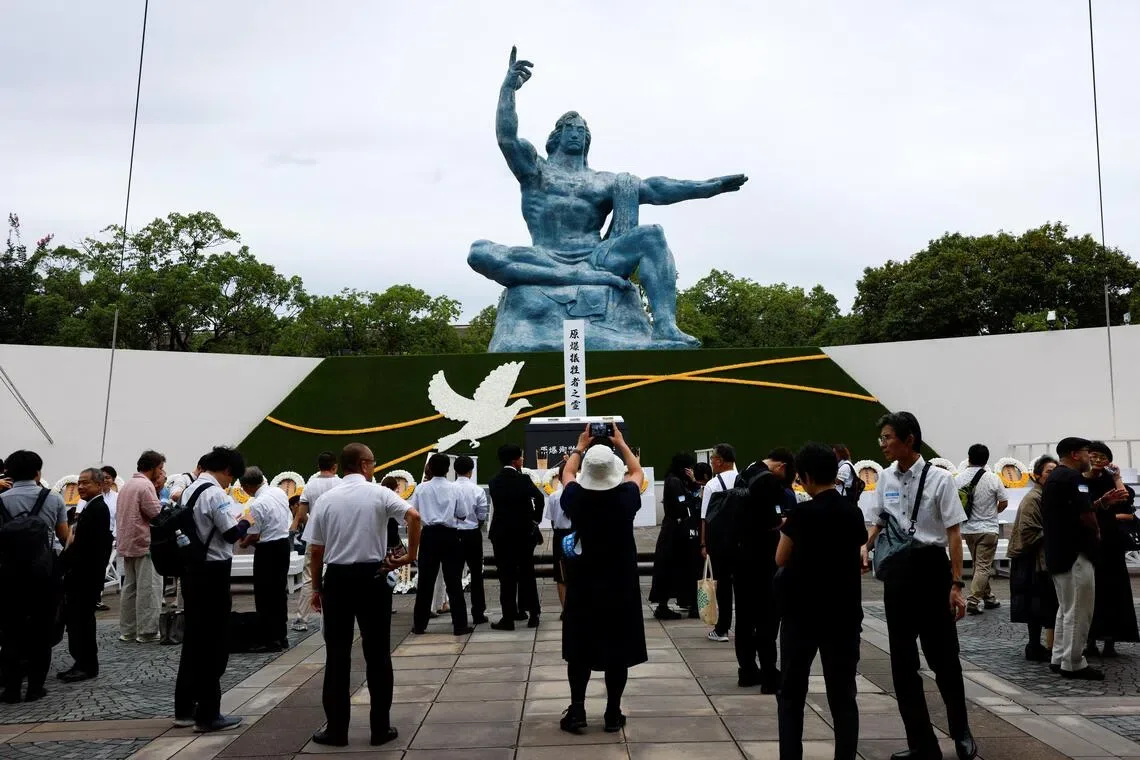
Nagasaki held a moment of silence at 11:02 a.m. on August 9, 2026, the exact time when the U.S. dropped the plutonium bomb codenamed "Fat Man" on the city in 1945, killing an estimated 74,000 people by the end of that year [1, 2]. The city remains the last to have suffered a nuclear attack [3, 1, 2]. The commemoration comes amid rising global geopolitical tensions, including the war in Ukraine and conflicts in the Middle East involving nuclear powers Russia and the U.S. [3, 2].
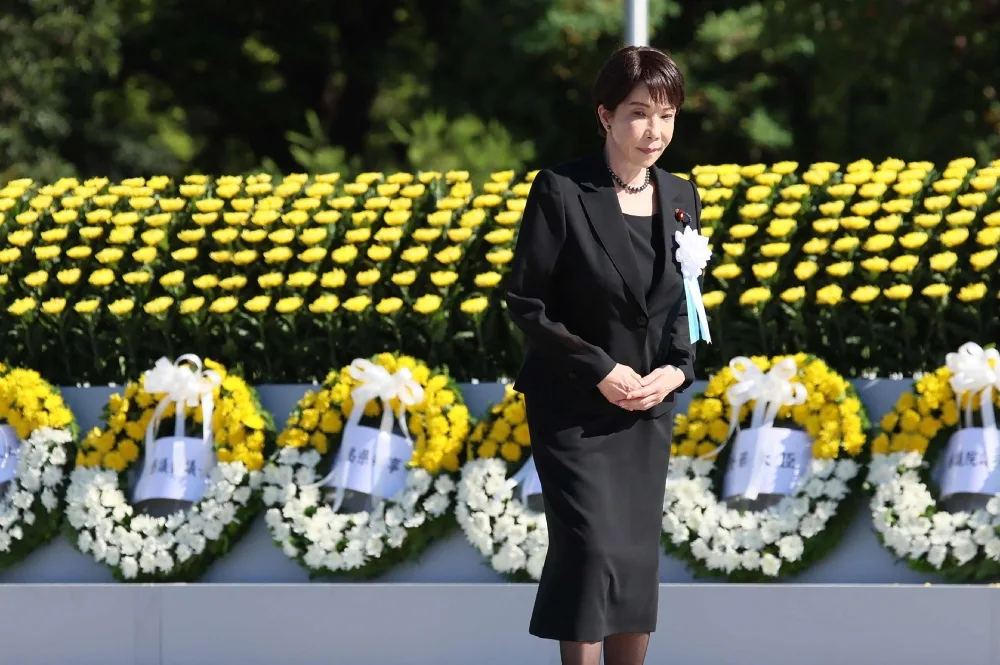
Nagasaki Mayor Shiro Suzuki called nuclear weapons an "absolute evil" that cannot coexist with humanity. He warned the risk of nuclear war was increasing due to ongoing conflicts involving nuclear-armed states [3]. Prime Minister Sanae Takaichi reiterated Japan’s commitment to its three nonnuclear principles of not producing, possessing, or allowing nuclear weapons on its soil [3, 1, 2]. "Japan is upholding the three nonnuclear principles," she said [3]. However, some sources note Takaichi has not clarified whether she will maintain this stance amid debates over national security [4].
The anniversary follows the 81st commemoration of the Hiroshima bombing on August 6, where approximately 140,000 people died by the end of 1945 [4, 2]. Survivors of both attacks, known as hibakusha, now average over 86 years of age and continue efforts to preserve the memory of the bombings [1].
The global nuclear situation remains tense. More than 12,000 nuclear warheads exist worldwide, reversing past trends of reduction [3, 2]. The 2026 Nuclear Non-Proliferation Treaty review conference in May again failed to reach consensus for the third straight time, reflecting a stalled global disarmament dialogue [3, 1]. Meanwhile, debate is growing within Japan about possibly reconsidering its nonnuclear principles due to challenges from China and doubts about reliance on the U.S. security alliance [4, 2]. Defense Minister Shinjiro Koizumi has called for an open discussion on nuclear weapons, and some unnamed officials have publicly suggested Japan should consider possessing nuclear arms [4, 2].
UN Secretary-General Antonio Guterres noted "year by year, the risk of miscalculation, escalation, and conflict keeps going up. This situation is unacceptable," underscoring global concerns over nuclear risks [3].
Japan is also pursuing updates to its defense policy, including increased military spending and potential constitutional revision, though Prime Minister Takaichi’s position on the nuclear principles remains ambiguous [4, 2].
The next major related event will be the 82nd anniversary of the Nagasaki bombing in August 2027.