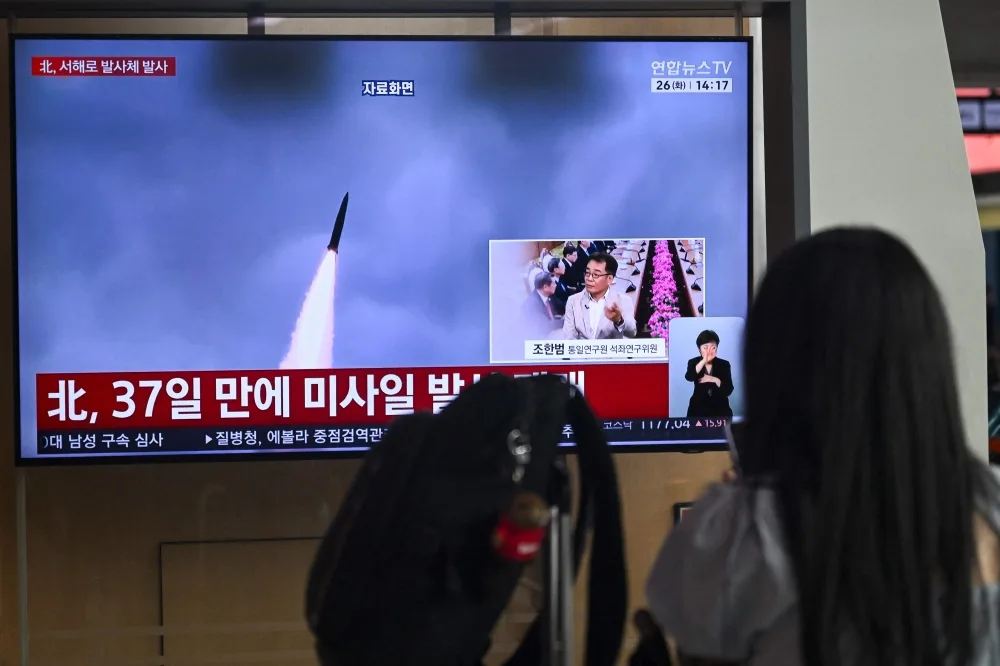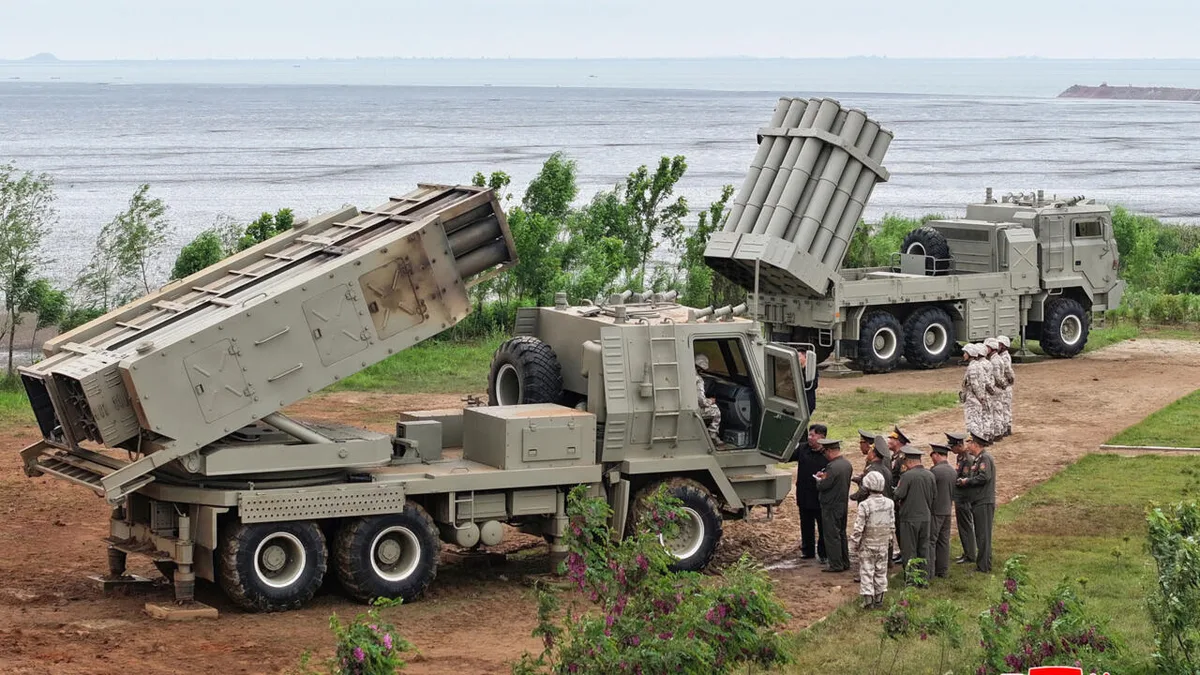
North Korea tested a new lightweight multi-purpose missile launch system and a multiple tactical cruise missile weapon system on May 26, 2026, under the direct supervision of leader Kim Jong Un [1, 2]. South Korea's military reported that the launches included several projectiles, among them a ballistic missile that flew about 80 kilometers off North Korea’s west coast [1, 2].
The test evaluated the power of a special mission warhead on a tactical ballistic missile and assessed the reliability of a 240mm controlled artillery rocket. This rocket uses an ultra-precision autonomous navigation system that significantly expands its firing range [1, 2].
Kim Jong Un described the weapon systems as “a clear signal of upgrading of our military force and an event of showing great technical progress.” He added, “Important ultra-high defence science and technologies were introduced into the practical weapon tests” [1]. The leader also stressed the strategic necessity of such destructive power, saying it makes “any encountering force impossible to survive theoretically, apart from fortune” [1].
Photos released show a missile firing from a mobile launcher with Kim Jong Un standing nearby alongside military officials [1, 2]. This launch marked North Korea's first missile test in 37 days and its eighth so far in 2026 [2]. Earlier in April, the country had conducted a ballistic missile test focusing on a cluster bomb warhead [2].
The tests violate multiple United Nations sanctions that ban North Korea from developing nuclear weapons and ballistic missile technology, rules the country has repeatedly ignored [1, 2]. Analysts say Pyongyang’s ongoing missile launches aim to solidify its nuclear status amid weakening international norms [1, 2]. Hong Min, an analyst at the Korea Institute for National Unification, said the new weapon system “may be intended for deployment in war” [2].