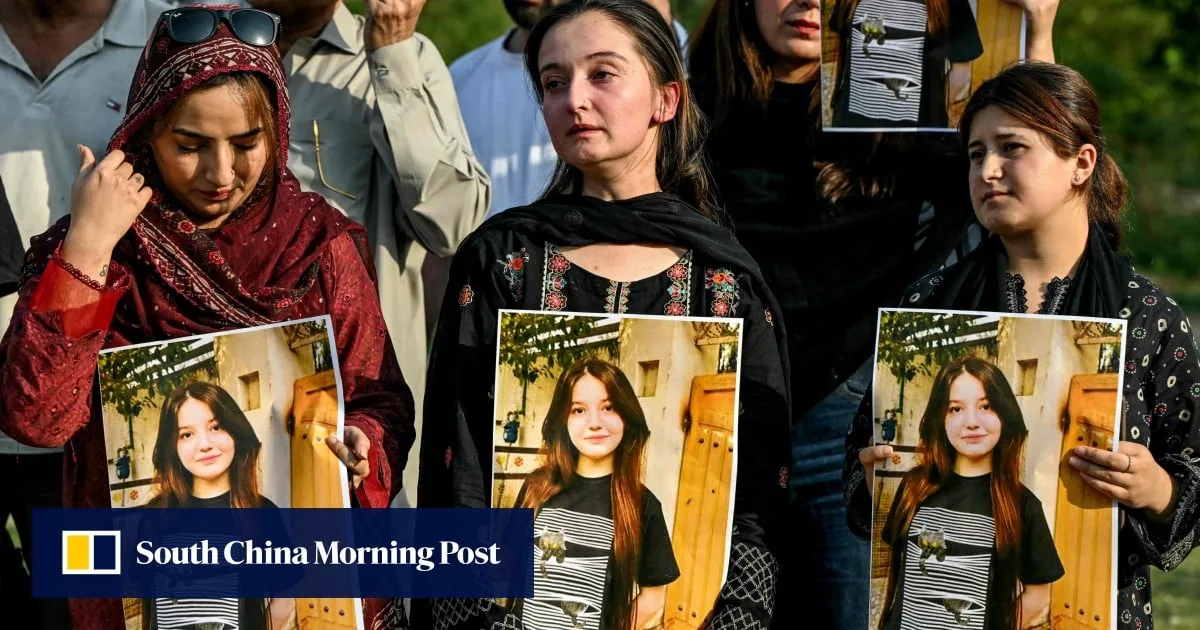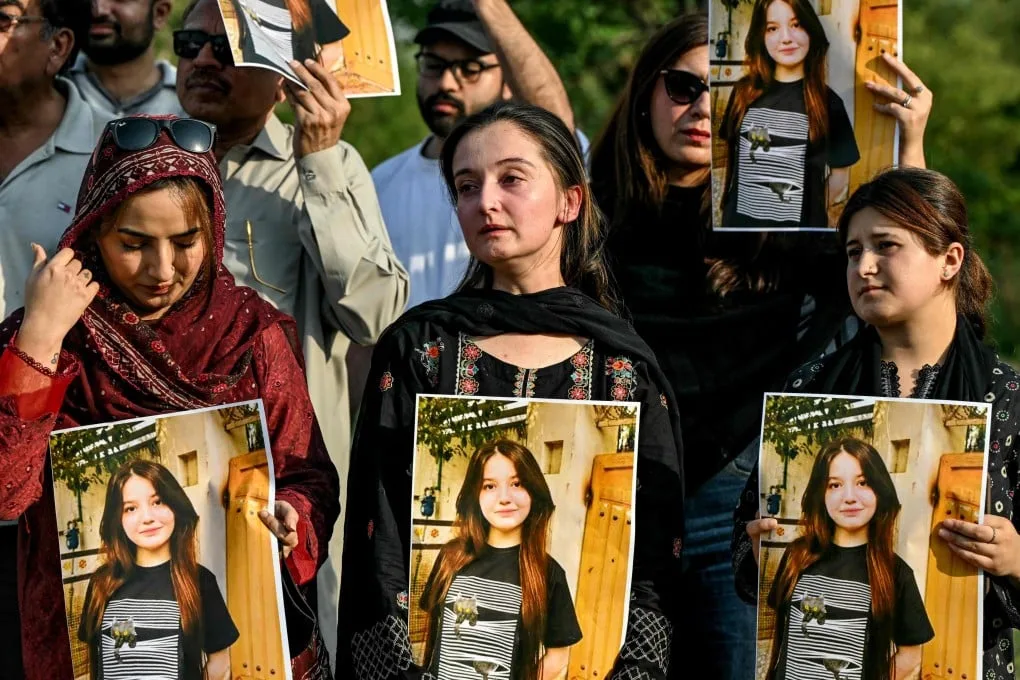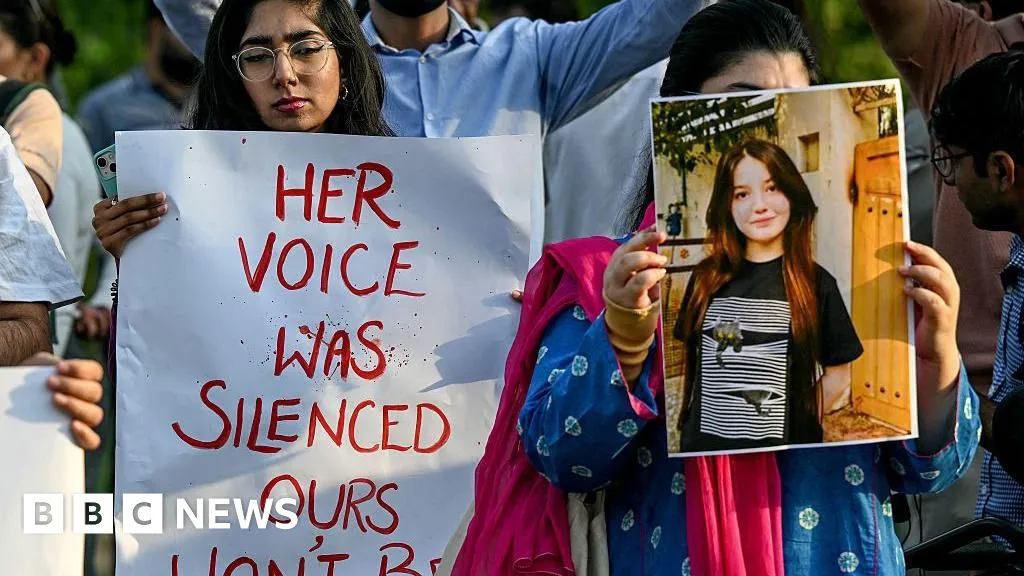
Umar Hayat, aged 22 or 23, was sentenced to death by an Islamabad court on May 19 for the murder of 17-year-old TikTok star Sana Yousaf in June 2025 after she rejected his repeated advances [1, 2, 3, 4]. The court also ordered Hayat to pay 2.5 million Pakistani Rupees in compensation to Yousaf's family, equivalent to between $7,200 and $9,000 [1, 2, 4].
Yousaf was shot dead inside her Islamabad home on June 2, 2025, shortly after an argument with Hayat escalated [1, 2, 3, 4]. The killing was witnessed by Yousaf's mother and aunt [3, 4]. Police arrested Hayat in Faisalabad within 20 hours and reviewed footage from 113 CCTV cameras in their investigation [1, 3, 4].
In July 2025, Hayat admitted he developed a one-sided obsession with Yousaf through online interactions and confessed to killing her but later retracted his confession [1, 3, 4]. He traveled to Islamabad days before the murder to wish Yousaf a happy birthday but was refused a meeting [3].
Yousaf had over a million followers on TikTok, where she shared fashion, food, skincare, lip-syncing, and relationship content [1, 2, 4]. Her death reignited national debate about women's safety and online misogyny in Pakistan [1, 2, 3, 4]. Some online voices blamed her behavior and social media presence on religious or patriarchal grounds [1, 4]. Usama Khilji of digital rights group Bolo Bhi noted, "They're asking why she was putting up all this content, and even suggesting the family should take down her Instagram and TikTok accounts because they add to her 'sins'." [1]
Human rights activist Farzana Bari called the backlash "misogynistic and patriarchal," saying, "Sana Yousaf had her own voice. The discourse online shows social media is a very threatening place for female content creators in Pakistan." [1]
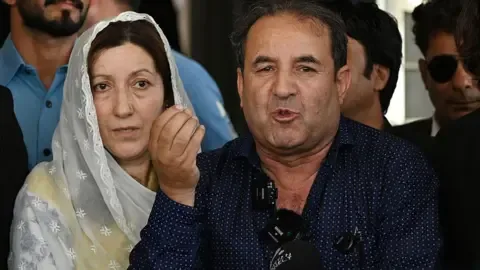
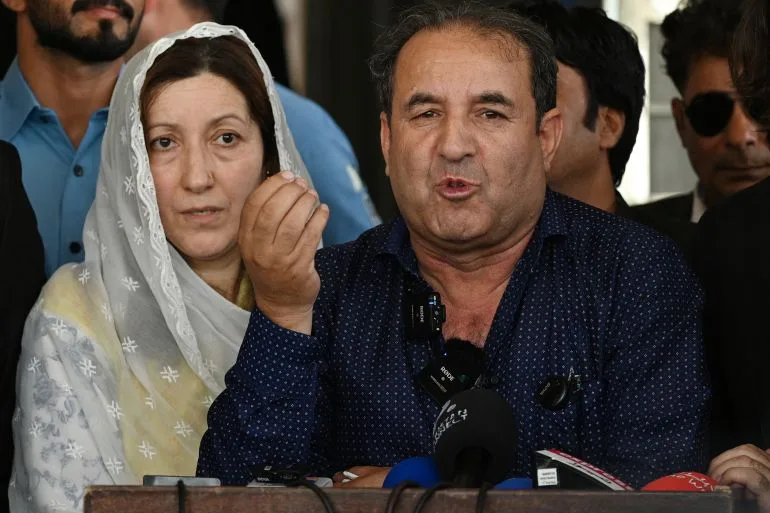
Sana Yousaf's father, Syed Yousaf Hassan, said, "This verdict is a lesson for all such criminals in society." He added, "This verdict is not just for me as an individual; it is for the entire society. This is a lesson for all such criminals in society that if they commit such an act, they can get such a result." [1, 2, 3]
Under Pakistani law, Hayat retains the right to appeal the verdict in a higher court [4].