Penang announced the official gazettement of 50 cultural heritage items under the Penang State Heritage Enactment 2011 on May 28, 2026, marking the first such move in over 15 years [1, 2]. The heritage items comprise 15 heritage sites, 7 intangible cultural heritage elements, and 28 heritage food items [1, 3, 2].
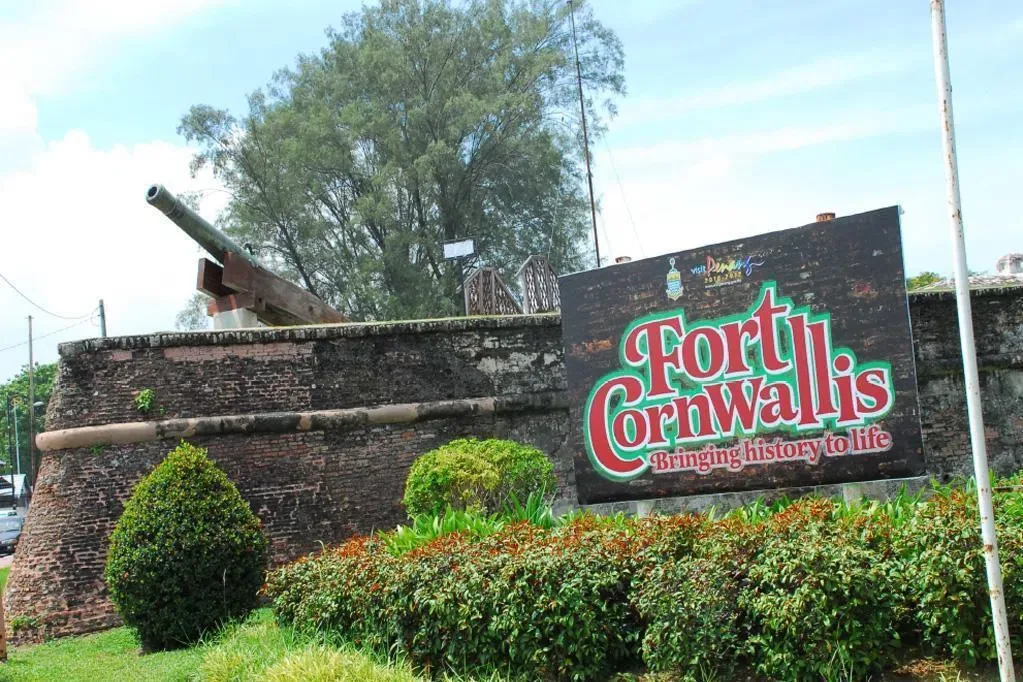
Among the gazetted heritage sites are key landmarks such as Fort Cornwallis, Kapitan Keling Mosque, Penang Free School, St George’s Church, Cherok Tok Kun Inscription Stone, Guar Kepah archaeological site, Leong San Tong Khoo Kongsi, Acheen Street Malay Mosque, Penang High Court, and the Penang State Museum Board building [1, 3, 2].
The intangible cultural heritage category includes the nasi kandar culture, kopitiam culture, Thaipusam and Chingay processions, St Anne’s feast in Bukit Mertajam, Penang Tanjong dialect, and the Nillaikalakki Silambam martial art [1, 3, 2]. These were gazetted in two phases, with intangible elements announced on January 22 and the heritage sites gazetted on May 7, 2026 [3, 2].
The 28 heritage food items officially listed include regional favorites such as asam laksa, char kuey teow, nasi kandar, cendol, roti canai, putu mayam, pasembor, oh chien, Hokkien mee, mi udang, roti benggali, teh tarik, and ais kepal [1, 3, 2].
Penang State Tourism and Creative Economy Committee chairman Wong Hon Wai said the gazettement "is a significant milestone and demonstrates the state's commitment to preserving Penang’s historical memory, cultural diversity, artistic heritage and social identity" [1, 3, 2]. He noted, "Although the enactment was passed in 2011, no official state-level cultural heritage gazettement had ever been carried out over the past 15 years. This year, the state government translated the provisions of the law into concrete action by gazetting 50 items, laying a stronger institutional foundation for preservation efforts" [1]. Wong added, "Heritage is not merely a repository of local memories, but also an important bridge in strengthening national unity" [3].
The gazettement seeks to support tourism development, educational research, and the creative economy in Penang. It may also form a foundation for future nominations to Malaysia’s National Heritage Act and Unesco’s Representative List of the Intangible Cultural Heritage of Humanity [1, 3, 2].
The Teong Guan Phor Thor festival is currently undergoing the gazettement process [2]. The January and May 2026 gazettements and today's announcement mark a new record of heritage recognition for Penang not seen in recent decades, according to Wong [2].