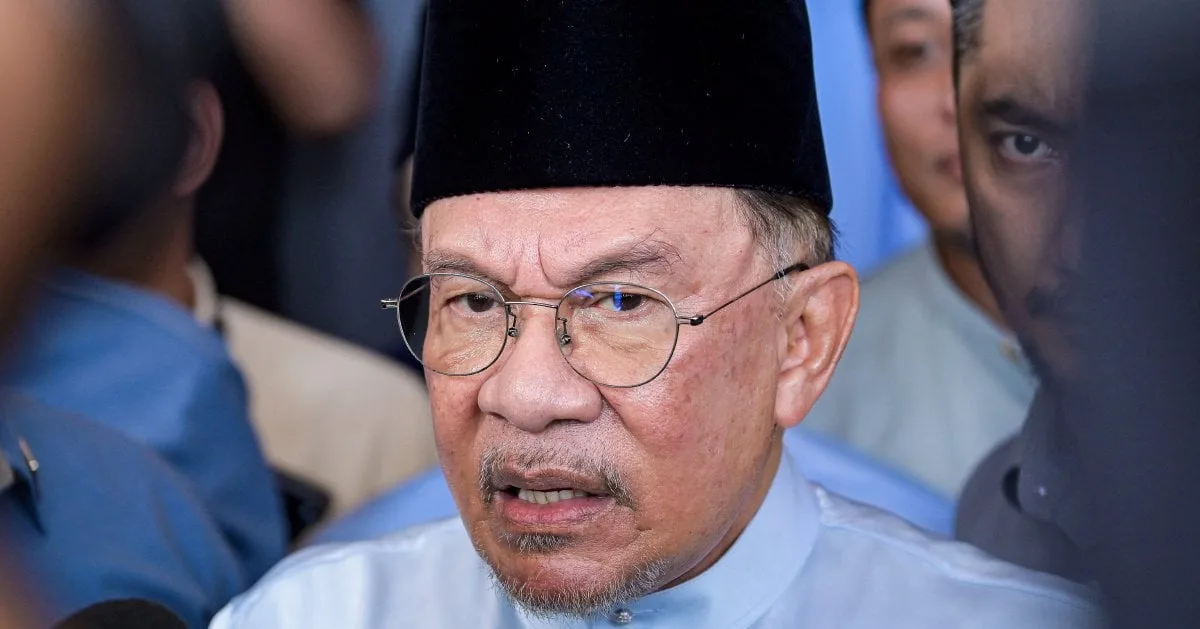
Prime Minister Datuk Seri Anwar Ibrahim described the Haj pilgrimage as more than just a spiritual journey, calling it a "school of education and spiritual upbringing that shapes the soul, purifies the heart, and breathes new spirit into returning to serve religion, the people, and the nation with greater sincerity and compassion" [1, 2].
On May 19, Anwar spent time with Haj pilgrims from Permatang Pauh and Tambun who were preparing to depart, posting about the meeting on Facebook that day. He greeted them as "guests of Allah SWT" and prayed for an accepted Haj and ease in their affairs [2].
In his remarks, Anwar highlighted how history shows the Haj often awakens a spirit of freedom and courage among Muslims. He cited the Aceh uprising against Dutch colonialism as an example of this transformative return from Makkah [1, 2].
He also shared the story of Malcolm X, who came back from the Holy Land with a "soul and outlook on life that was far broader, more peaceful, and more deeply aware of the brotherhood of mankind," emphasizing the pilgrimage’s role in expanding spiritual and social consciousness [1, 2].
Anwar prayed that pilgrims would return home renewed in spirit to benefit their families, society, and Malaysia overall [1, 2]. The government’s engagement with departing pilgrims reflects a continuing tradition of encouraging the Haj not only as a religious rite but as a formative experience in personal and national service.