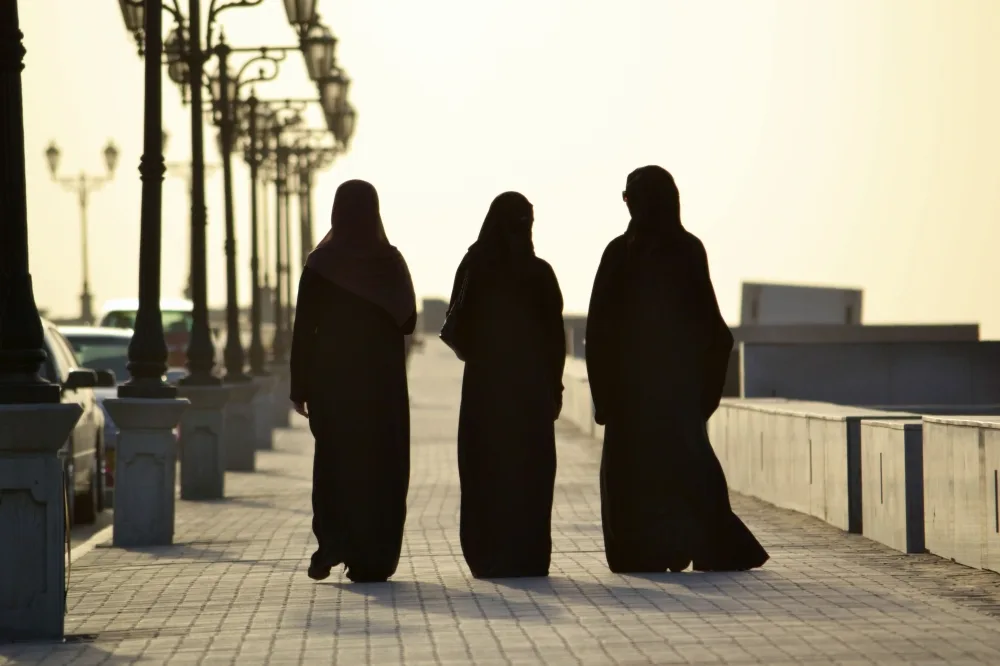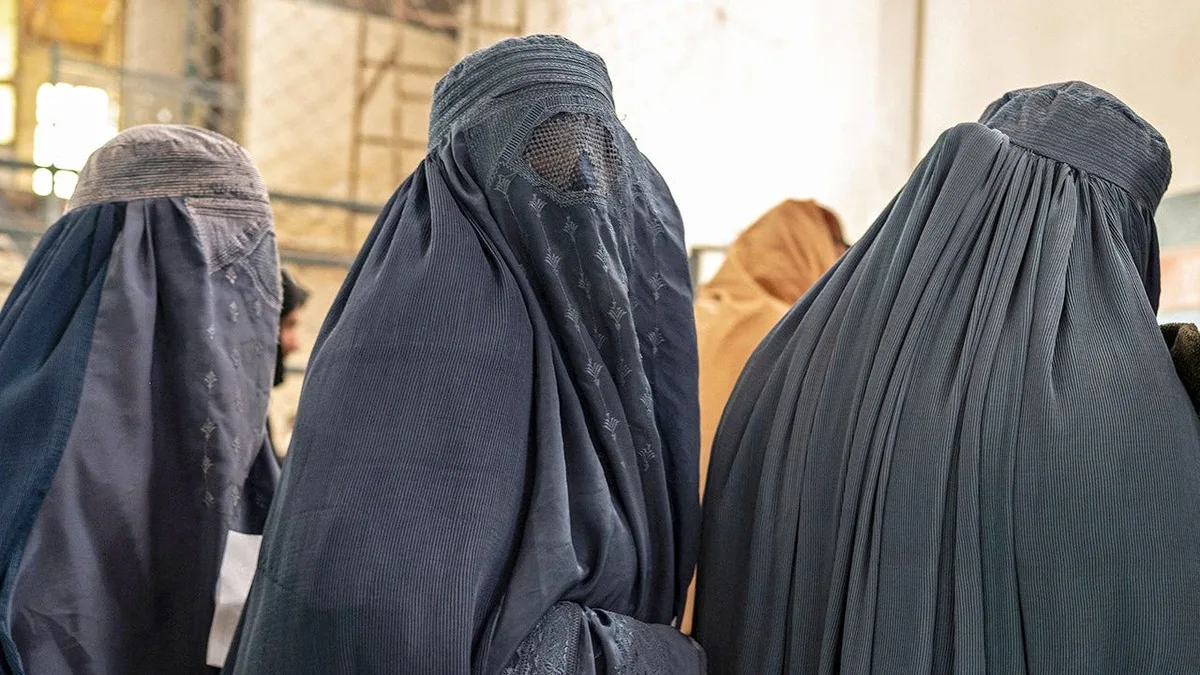
Portugal has enacted a law banning face coverings in public spaces after President António José Seguro signed the legislation on August 19, 2026. The bill was originally proposed by the right-wing Chega party and approved by parliament the day before [1].
President Seguro said the uncovered face "constitutes a structuring dimension of social trust, a characteristic of Portuguese society," emphasizing that daily coexistence relies on mutual recognition and direct relationships between people [2]. He added that "to admit that women, and only women, must hide their entire faces implies an asymmetry incompatible with the values of parity and equal dignity between men and women," values that underpin European democracies [2].
The law forbids anyone from covering their entire face in public, a provision aimed at reinforcing equality and social integration [2, 3, 1]. However, it includes exceptions for health reasons, professional activities, artistic performances, weather conditions, places of worship, diplomatic missions, and air travel [1].
Those found violating the ban face fines between 150 and 3,000 euros (about $175 to $3,500) [1]. The legislation places Portugal alongside France, Belgium, Austria, Denmark, and the Netherlands, which have implemented full or partial bans on public face coverings [2, 3].
Amnesty International Portugal condemned the law as discriminatory and a threat to the rights of Muslim women who wear face coverings by choice [2, 3].
The law was adopted by Portugal's parliament on August 18 and swiftly signed into effect by the President the following day [2, 3, 1]. Enforcement and application details are expected to follow.