Prime Minister Datuk Seri Anwar Ibrahim pledged to carry on efforts for reform (islah) in Malaysia by drawing inspiration from Prophet Muhammad SAW’s strategy in establishing a just and compassionate administration in Medina more than 1,400 years ago [1, 2, 3, 4]. He highlighted how the Prophet transformed Medina through a decade of reforms that fostered a people with sound intellect, high moral character, divine awareness, and social maturity [1, 2, 3, 4].
Anwar emphasized that guaranteeing basic needs and tangible peace are prerequisites to ensuring the essentials (daruriyat) in Maqasid Shariah, quoting Muhammad Imarah’s expression that these are core to a just society [1, 2, 3, 4]. He described the Prophet’s Medina model as one where the poor are helped, the weak cared for, free space given to diverse groups, monopolistic practices rejected, and equitable economic distribution promoted. Envoys were sent out with a message to build peace and justice [2].
He recited a translation of the Surah Quraysh verse: "He who feeds them against hunger and secures them from fear" to stress the importance of social welfare [1, 2, 3, 4]. Anwar also recalled how the longstanding conflict between the Aus and Khazraj tribes of Yathrib ended through the unity spirit of the Ansar, bringing stability and removing suspicion [1, 2, 3, 4].
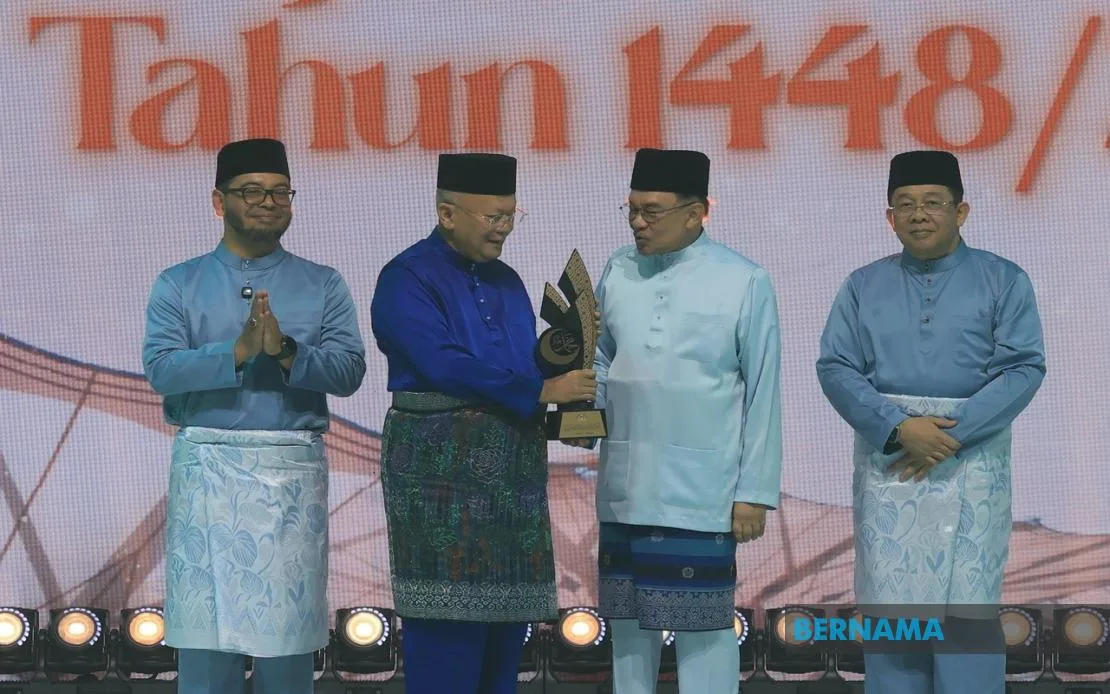
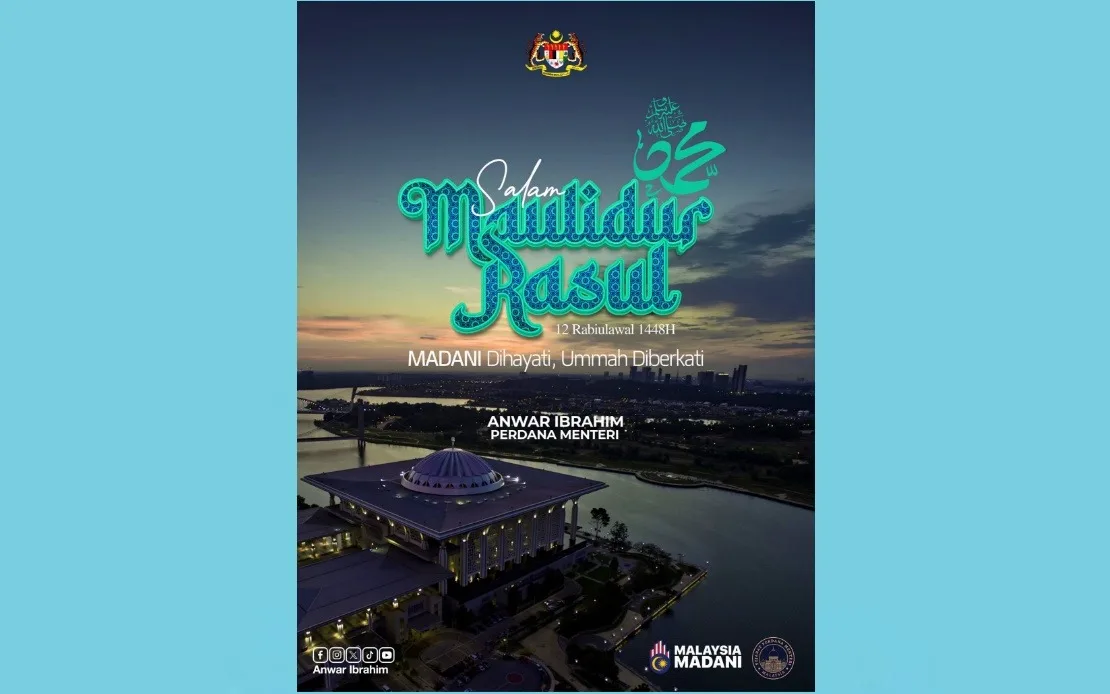
On August 25, Anwar attended the national-level Maulidur Rasul 1448H/2026 celebration held at Universiti Putra Malaysia (UPM), Serdang, along with more than 4,000 participants including government officials and the public [5, 6]. Thousands of Muslims nationwide took part in processions and selawat recitations under the theme "Madani Dihayati, Ummah Diberkati" to mark the Prophet’s birthday [6].
At the event, Anwar urged Muslims not to limit their commemoration to festivities but to reflect on the Prophet’s values as a source of mercy and social justice. He said the challenge was to internalize Islamic values and become role models for Malaysians and the global community [7, 6]. He called for building a society grounded on goodness, respect, and justice that rejects corruption, oppression, racism, and abuse of power [7].
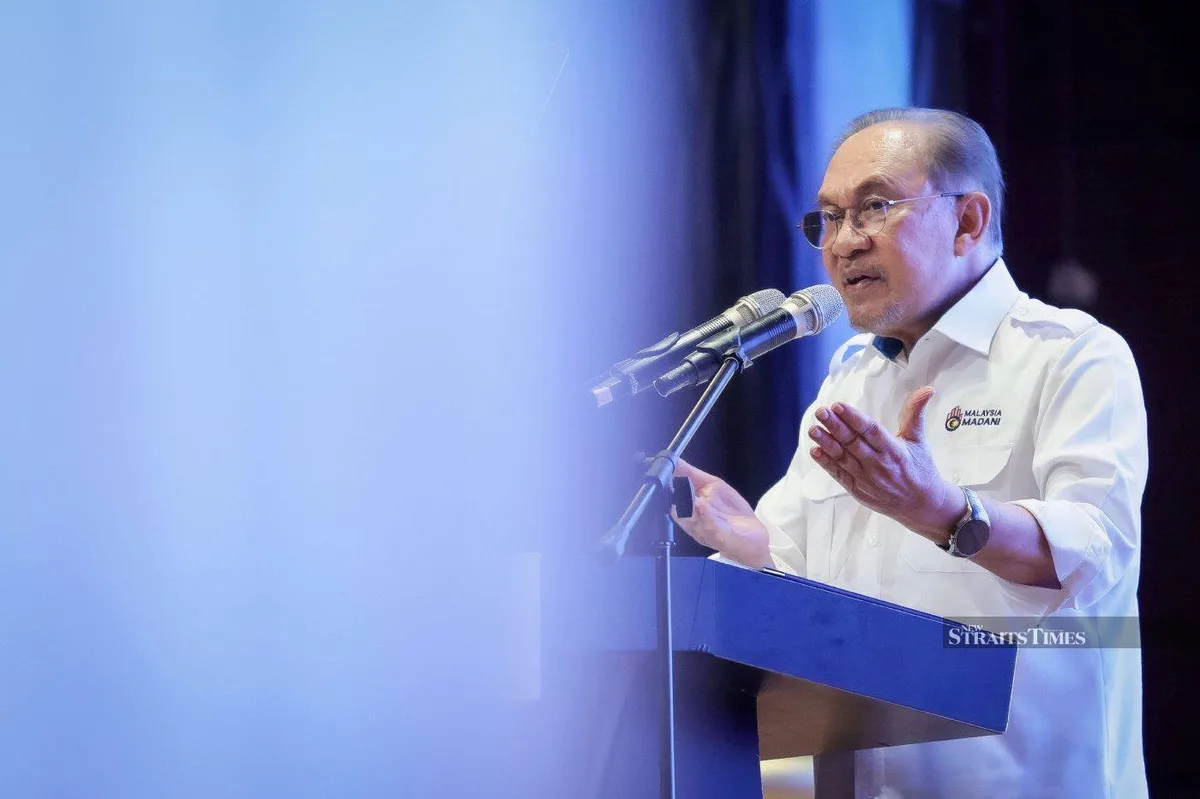
Two days later on August 27, Anwar spoke at Universiti Malaya during the Malaysia Madani Intellectual Forum Series 13, urging patience while the government works on comprehensive reforms to the Universities and University Colleges Act 1971 (AUKU). He stressed that university students should have full freedom to voice their views to promote critical thinking and fresh perspectives in higher education [8, 9]. Anwar said, "We must accept that university students should be given full freedom without restrictions that hinder their activities...universities must be a platform for critical and fresh thinking" [9].