About 80% of the proposed Majlis Amanah Rakyat (MARA) Bill 2026 centers on corporate governance reforms to enhance MARA’s structure and management, officials said [1, 2, 3]. The Bill is expected to be tabled in Parliament before the end of 2026 [1, 2, 3].
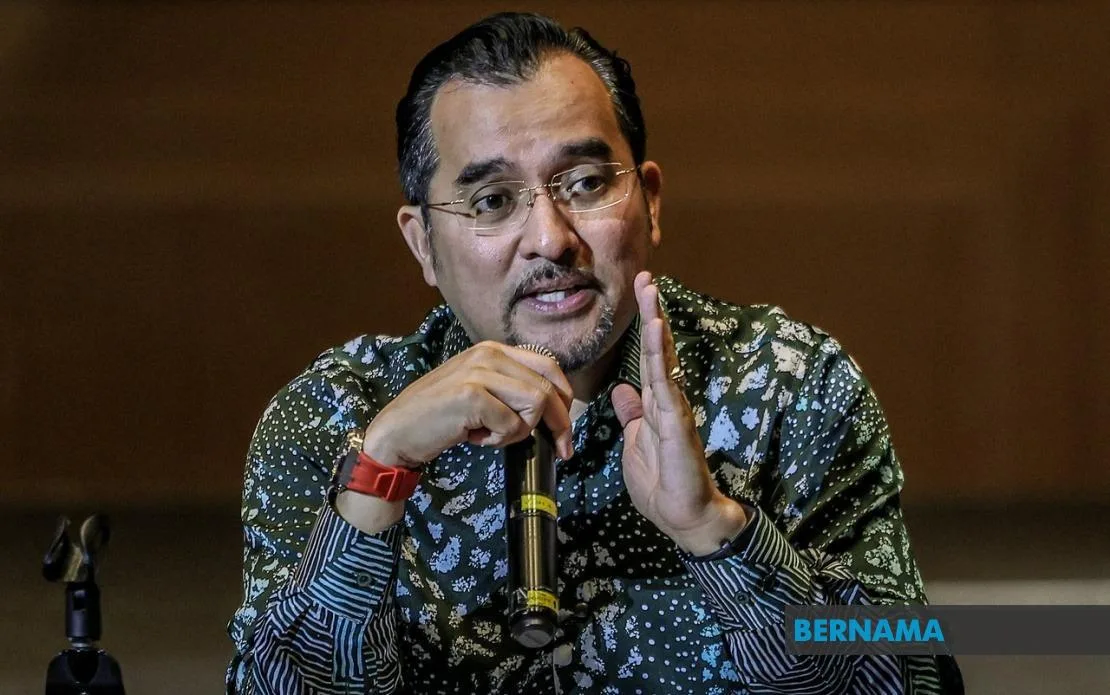
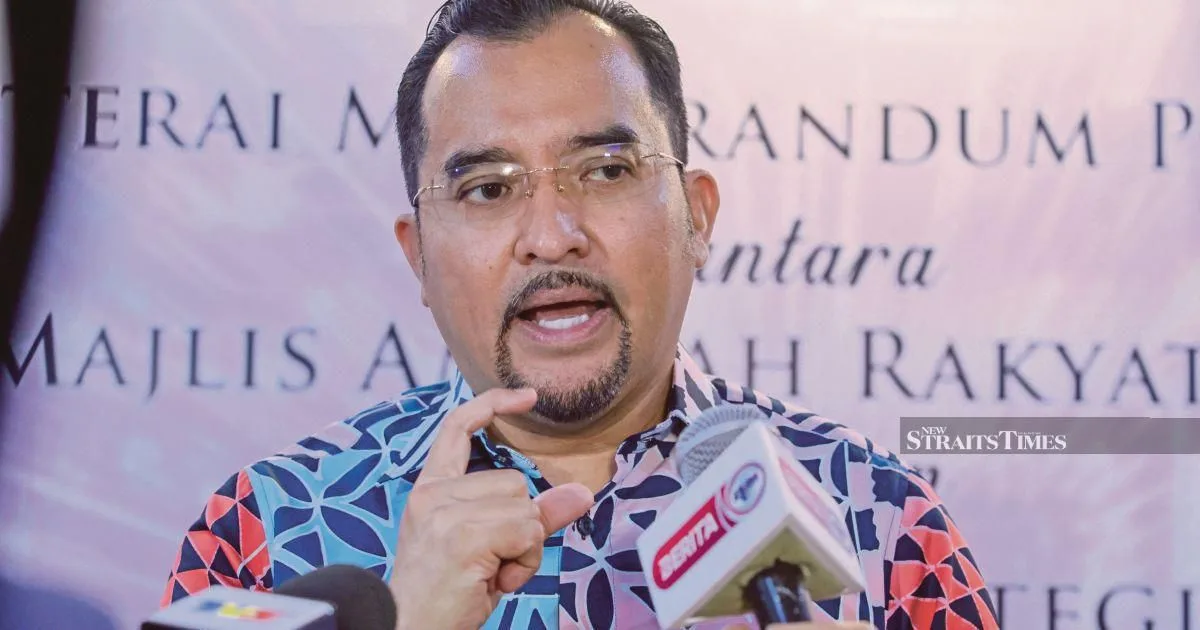
The Bill reduces the powers of the MARA chairman to mainly chairing the Board and deciding on policy matters, a significant change from the broader powers under the MARA Act 1966 [1, 2, 3]. It also introduces a separation of powers between the Board and MARA management. "The Bill also provides for a separation of powers between the Board and MARA management, introduces ‘fit and proper’ criteria for Board members and limits their terms of service," MARA chairman Datuk Dr Asyraf Wajdi Dusuki said [1].
The Bill establishes ‘fit and proper’ standards for Board members and limits their terms, aiming to ensure capable and accountable leadership [1, 2, 3]. It mandates new Board committees, including Audit, Investment, Finance and Governance, and Risk committees to improve oversight [1, 2, 3].
Financial governance and procurement practices will be tightened to meet national and international standards. "The Bill will also tighten financial governance and procurement practices to ensure they meet national and international standards," Asyraf Wajdi said [2]. Monthly financial performance reporting to the MARA Council has been introduced in line with these standards [1, 2, 3].
For the first time, the Bill establishes a Syariah Committee to ensure MARA operations comply with Syariah principles. "The Bill will also establish a Syariah Committee for the first time to ensure all MARA operations adhere to Syariah principles," Asyraf Wajdi added [3].
These reforms reflect measures initiated by Asyraf Wajdi since his appointment as MARA chairman on March 10, 2023. His tenure has seen forensic audits, strengthening of financial discipline, and procurement restructuring [1, 2, 3]. A special task force headed by former Bank Negara Malaysia governor Tan Sri Muhammad Ibrahim supports the reforms [1, 2, 3].
Amendments to the MARA Act 1966 were discussed in June 2026 to align the new legislation with MARA’s evolving role [1, 2]. Asyraf Wajdi outlined key Bill provisions publicly on August 11, and media reports followed on August 12 and 13 [1, 3].
The next step is for the Bill to be tabled in Parliament before the end of 2026 [1, 2, 3].