Thailand introduced new rules on August 28, 2026, allowing authorities to revoke visas and deport foreigners who violate laws, cause public disturbances, or engage in criminal conduct, with possible bans on re-entry [1, 2, 3, 4, 5, 6, 7, 8, 9]. The regulations, approved in July by Prime Minister Anutin Charnvirakul’s government and published in the Royal Gazette on August 27, target foreigners convicted and sentenced for visa overstays, illegal work or business, using forged documents, or crimes punishable by over five years imprisonment [5, 6, 7, 8, 9].
Thai Tourism Minister Surasak Phancharoenworakul said the government will adopt a "zero tolerance" policy for foreigners who break laws, disrespect Thai culture, or cause disturbances. He stated, "Problematic foreign tourists or workers who break the law must leave," and emphasized Thailand welcomes tourists who respect local laws and culture but does not tolerate those who disrupt social order [5, 6].
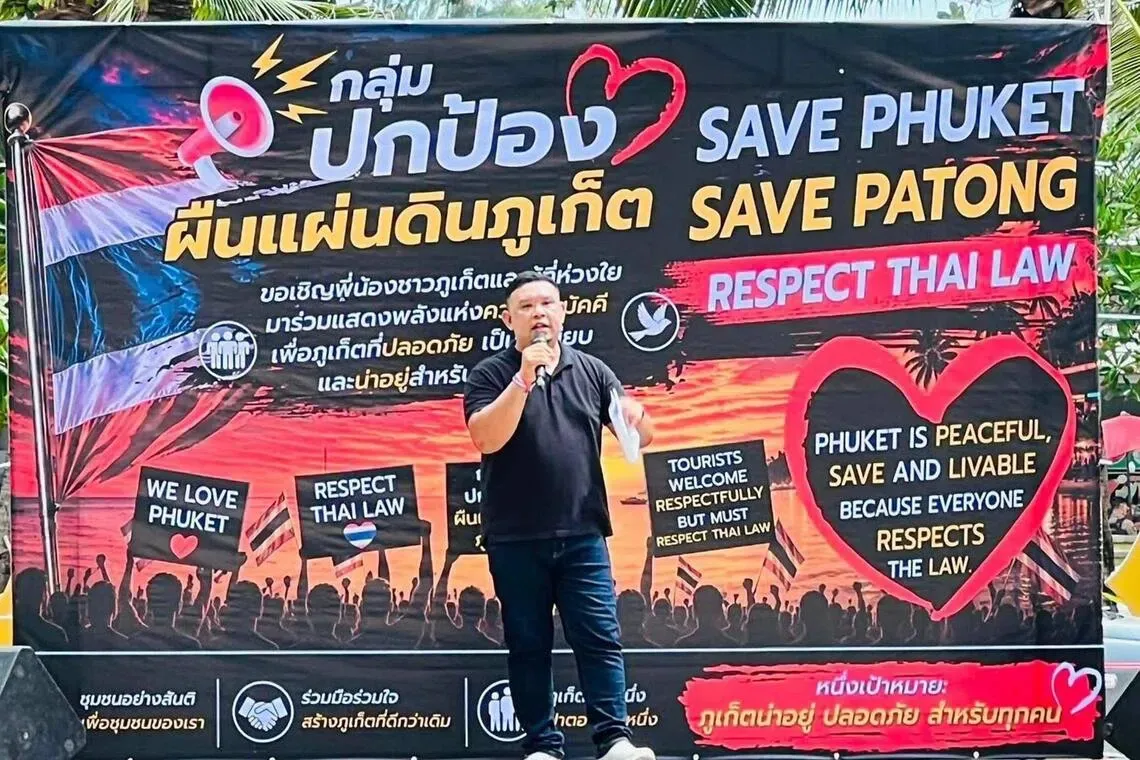
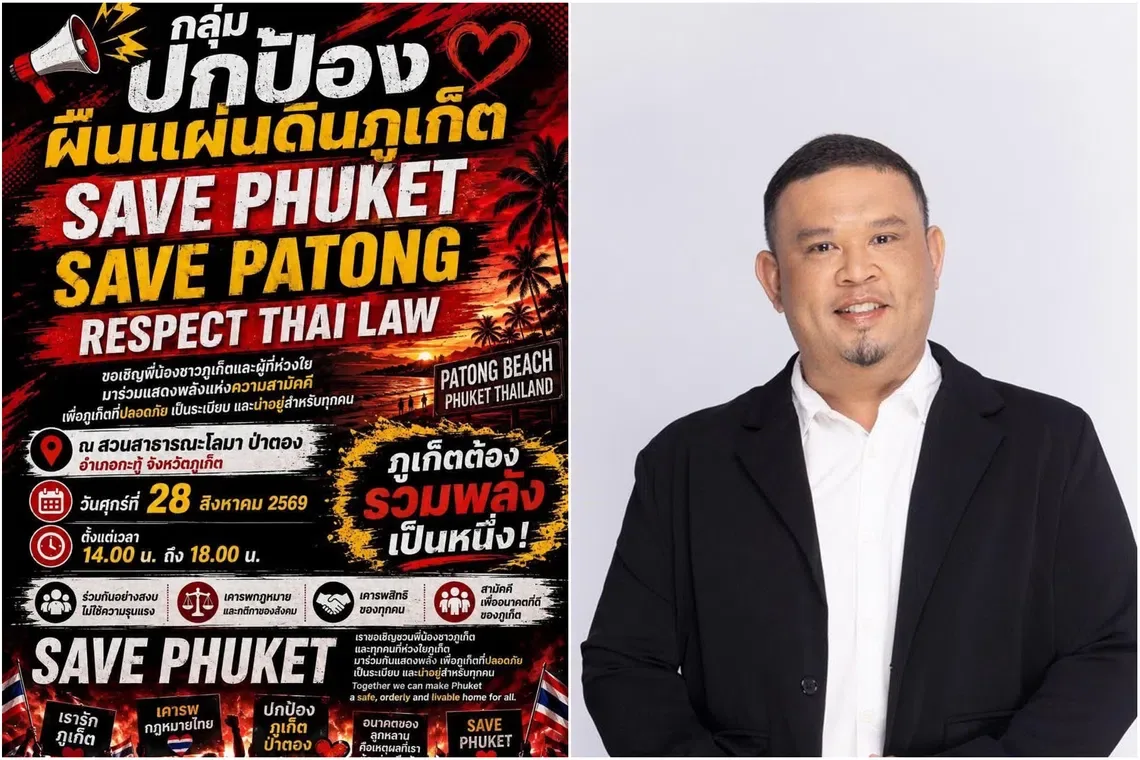
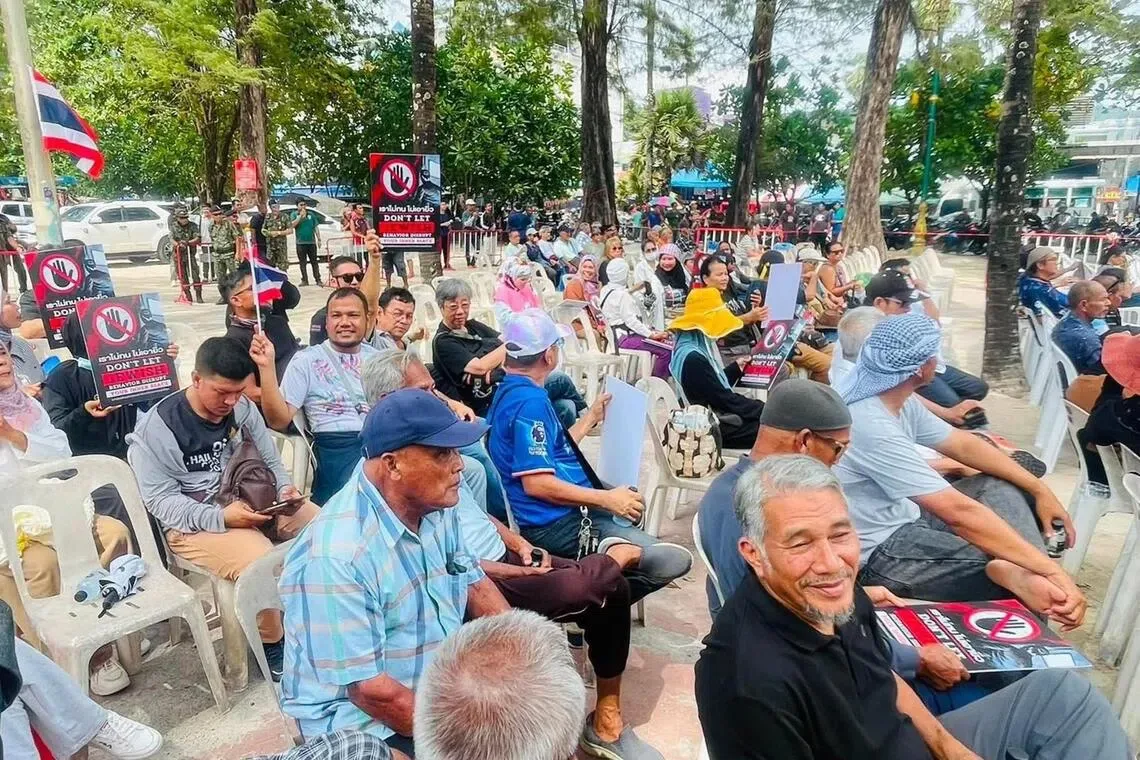
The new rules come amid rising tensions over problematic tourist behavior. On August 28, about 200 residents of Phuket gathered at Patong beach for a "Save Phuket" event, calling for respect of Thai laws and culture amid growing frustration over bad conduct by some tourists [1, 2, 3, 4]. Organizer Saichon Nuchet said, "We do not want Phuket to be portrayed negatively in the news because of violence, disrespect towards business operators, violations of the law, refusing to pay for food or services, or certain individuals receiving special privileges" [1]. The "Save Phuket" Facebook page has over 6,900 followers as of late August [1, 2, 3, 4].
Recent incidents increasing local anger include a viral July video of noisy Italian students on a Bangkok train and confrontations involving Israeli visitors in Phuket [5, 7, 8, 9]. Business owners and locals have reported multiple clashes with foreigners, especially tourists from Israel and China [1, 2, 3, 4]. The government also cooperates with police to dismantle syndicates trafficking foreign nationals, including Chinese, through Thailand [10].
Earlier in May 2026, Thailand halved visa-free stay durations for most tourists from 60 to 30 days [6, 7, 8]. Despite expecting 33.5 million foreign tourists in 2026, up from nearly 33 million in 2025, arrivals have dropped slightly to 18 million so far this year, a 3% decrease from 2025 [6, 7, 8]. Tourism accounts for 13% of Thailand’s GDP, creating a tension between enforcement and economic reliance on visitors [6, 7, 8].
Deportation decisions will follow Thai laws, cabinet resolutions, and international obligations ensuring humane treatment; deportees are generally sent to their home countries unless at risk of torture or inhumane treatment [5, 9].