Jason Arday, Cambridge University’s youngest Black sociology professor, was found dead at his London home on August 14, days after resigning amid plagiarism accusations [1, 2, 3, 4, 5, 6]. Arday, 41, stepped down on August 5 following a public claim by former Cambridge academic Nathan Cofnas that Arday’s 2015 doctoral thesis contained plagiarised material and inconsistencies in his personal and career records [1, 2, 4, 5, 6, 7].
Cambridge launched multiple investigations into Arday’s appointment, academic work, and qualifications after the allegations surfaced, while Liverpool John Moores University, where Arday earned his doctorate, cleared him of plagiarism—reflecting a split in assessments [1, 4, 6, 7]. The Metropolitan Police said Arday’s death was unexpected but not suspicious; the cause has not been publicly disclosed [4, 5].
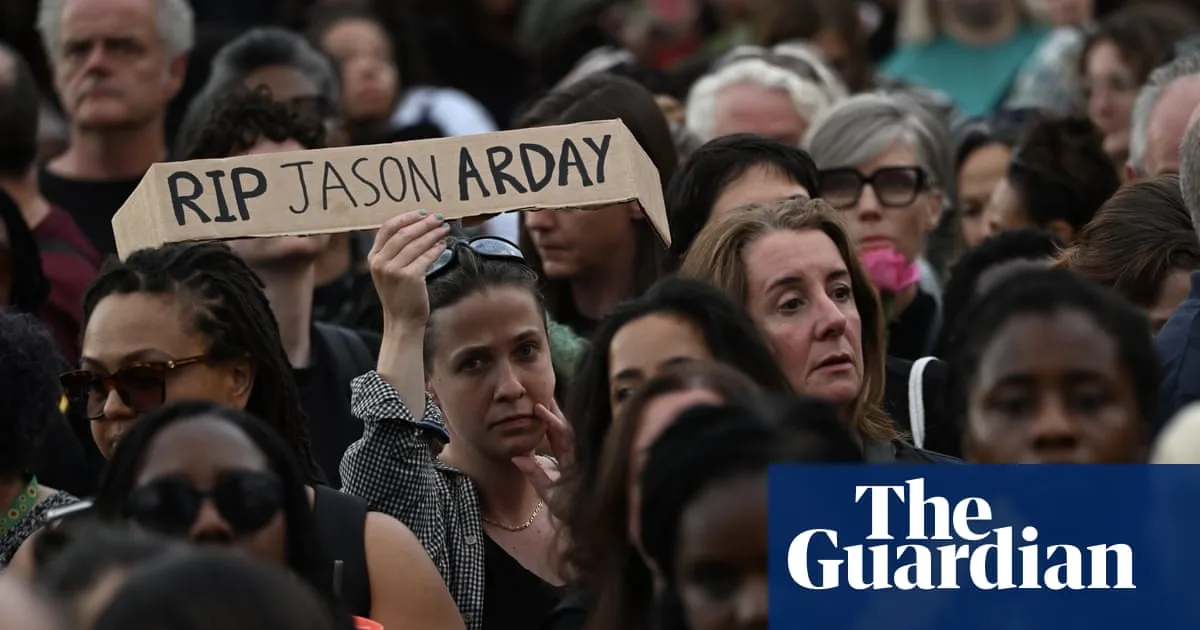
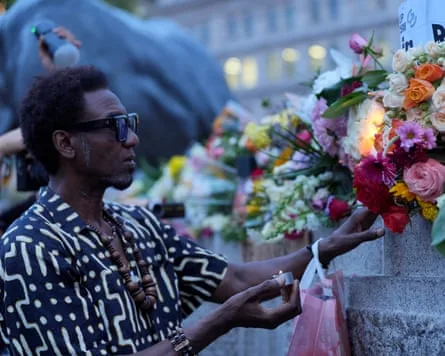
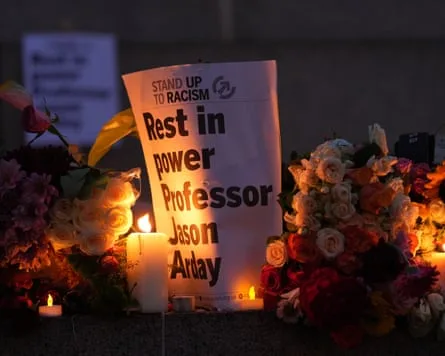
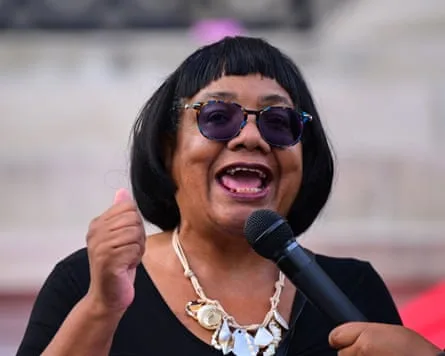
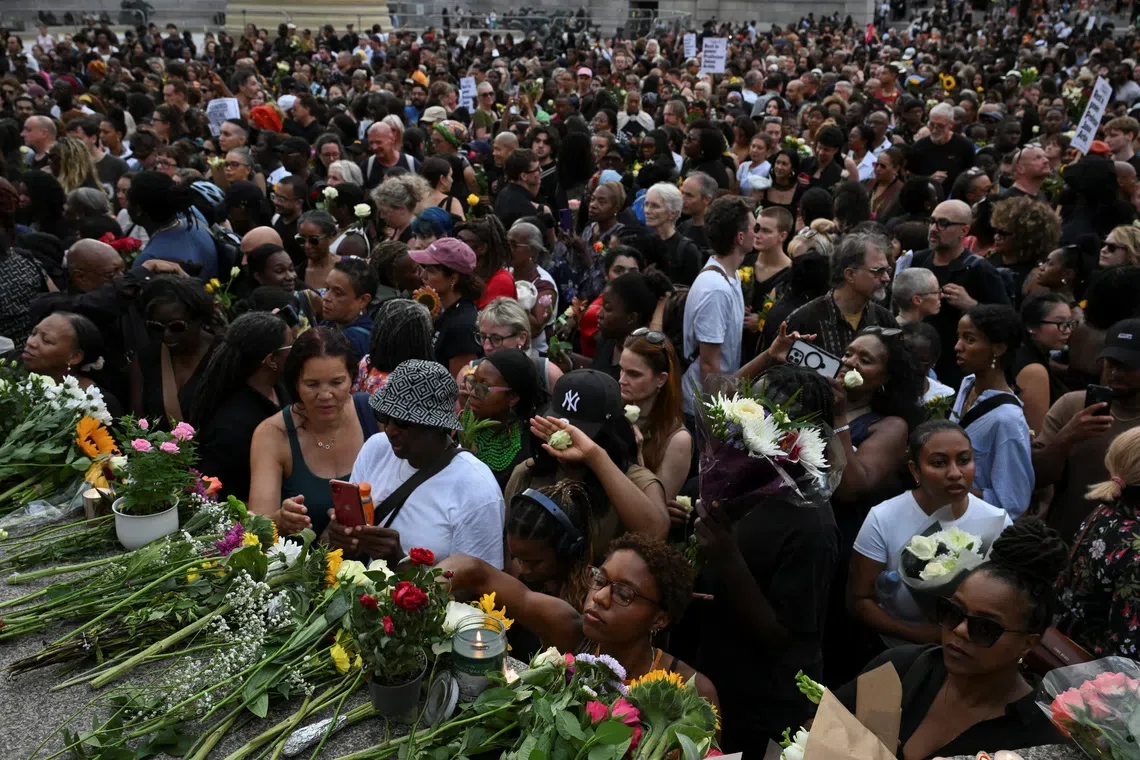
On August 17, a vigil organized by Stand Up to Racism in Trafalgar Square drew thousands to approximately 30,000 people to mourn Arday and protest media coverage and alleged racial bias [1, 2, 3, 8, 4, 7]. Speakers and family members denounced what they described as a racist witch hunt and sustained media abuse they said contributed to Arday’s death [1, 2, 4, 5]. MP Bell Ribeiro-Addy told the crowd, "I’m going to look around you and look at how many people have come tonight. That tells you what Jason meant" [2]. Social worker Paul Vincent said many felt compelled to attend "to show respect to Professor Arday and his family" and to express disturbance over "something dark" that had happened [4].
British Prime Minister Andy Burnham called Arday’s death "a tragedy on so many levels" and urged reflection over the events leading up to it, rather than rushing to judgment [1, 5]. Cambridge Chancellor Chris Smith said it was possible to uphold academic integrity while rejecting a "racist feeding frenzy" around the case [1].
Arday had been diagnosed with autism and other developmental difficulties in childhood, though some personal details have faced dispute [1, 3, 6]. Cofnas, who exposed the alleged plagiarism, expressed fear for his safety amid the large and vocal gatherings following Arday’s death, stating he believed there was "a real possibility I could have been murdered" if he had attended [7].
Arday’s resignation on August 5 triggered university reviews, and his death nine days later intensified public scrutiny and debate [1, 2, 4, 5, 6, 7]. The next key dates will depend on outcomes of Cambridge’s ongoing investigations and any official announcements from authorities.