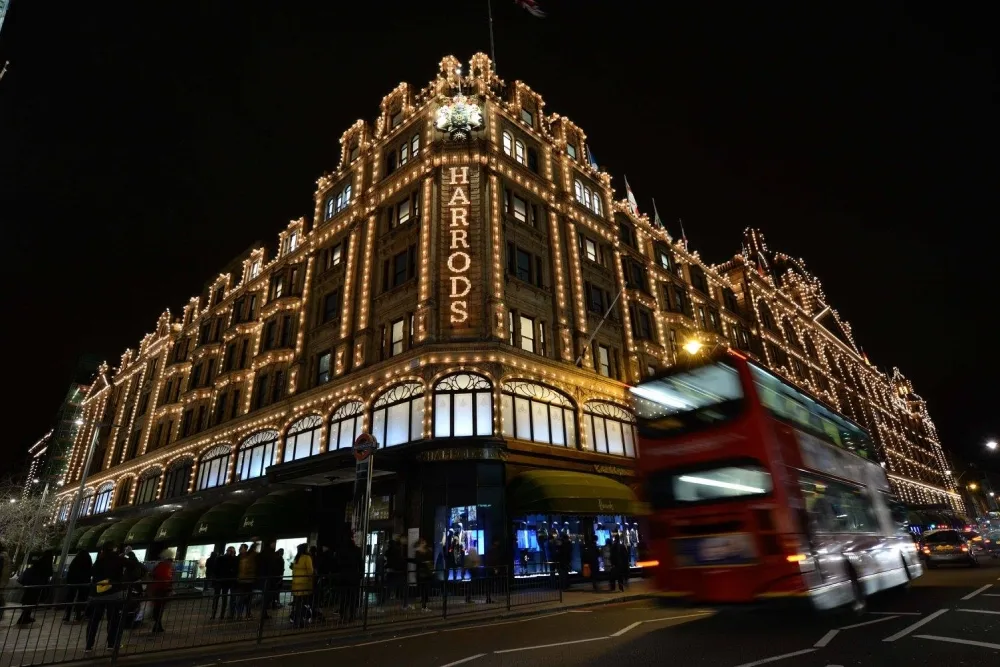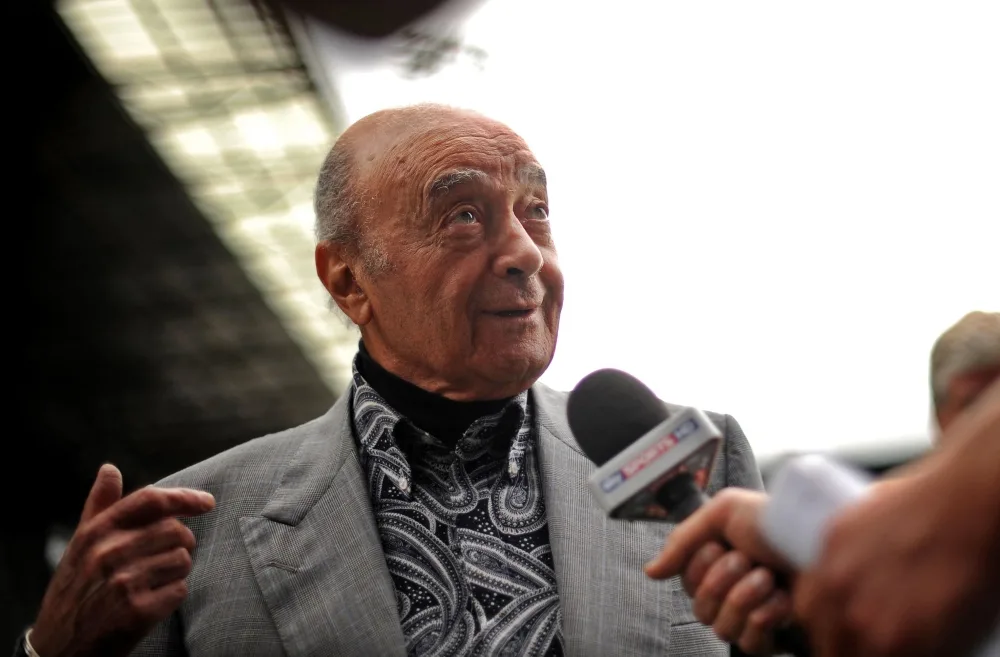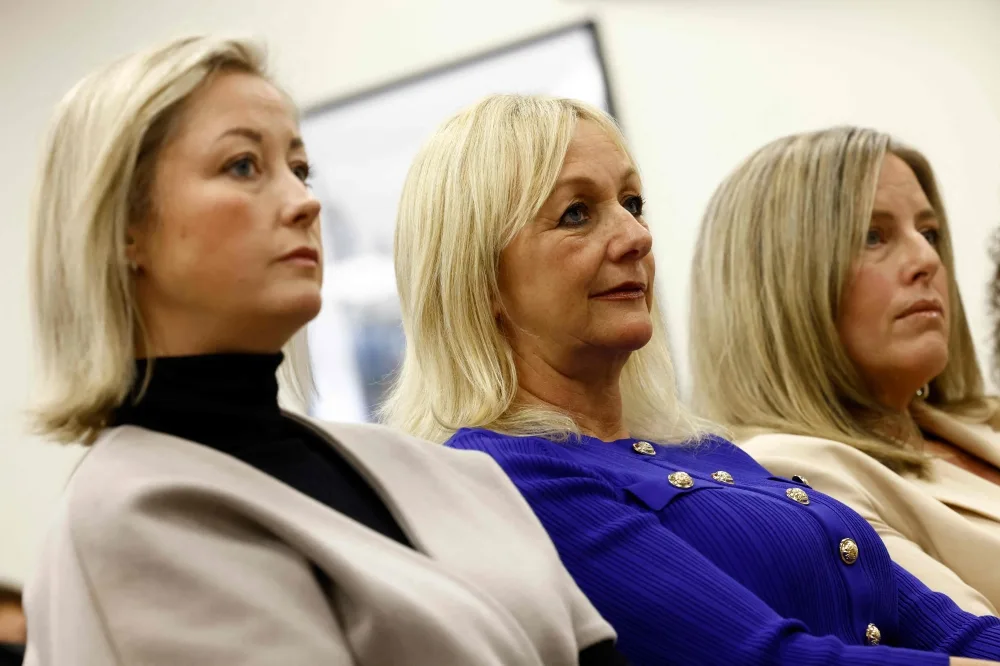
The UK Home Office confirmed between May and July 2026 that four women accusing the late Harrods owner Mohamed Al-Fayed of sexual assault are victims of human trafficking based on conclusive evidence [1, 2, 3]. The women, using the pseudonyms Isabella, Justine, Elizabeth, and Margo, co-founded the advocacy group No One Above to raise awareness of their experiences [1, 2, 3].
Al-Fayed died in 2023 without ever facing prosecution despite accusations involving sexual assault, rape, and human trafficking spanning over 30 years [1, 2, 3]. Many victims worked at Al-Fayed’s businesses, including Harrods department store and the Ritz hotel in Paris [1, 2, 3]. Isabella said their trafficking experiences occurred from the 1990s until after 2010 and involved both international and domestic trafficking. She said, "This was one bad man, but he couldn’t have done what he did without Harrods processing women to him and silencing them afterwards" [1, 2, 3].
The cases were referred to the UK’s National Referral Mechanism by charity Unseen UK, which supports trafficking victims [1, 2, 3]. Since then, London’s Metropolitan Police have received 157 reports alleging sexual assault, rape, or trafficking linked to Al-Fayed [1, 2, 3]. Police have questioned six suspects suspected of enabling Al-Fayed’s offenses but have yet to make any arrests [2].
In April 2026, a fifth woman, Rachael Louw, was confirmed as a trafficking victim related to alleged abuse by Al-Fayed and his brother [2]. Following a 2024 BBC documentary exposing the scale of abuse, dozens of alleged victims have applied for compensation through a redress scheme [2].
The Metropolitan Police and other authorities continue their investigations into the enabling network linked to Al-Fayed’s crimes. The next key development may come as investigations progress and further charges or compensations are pursued [2].