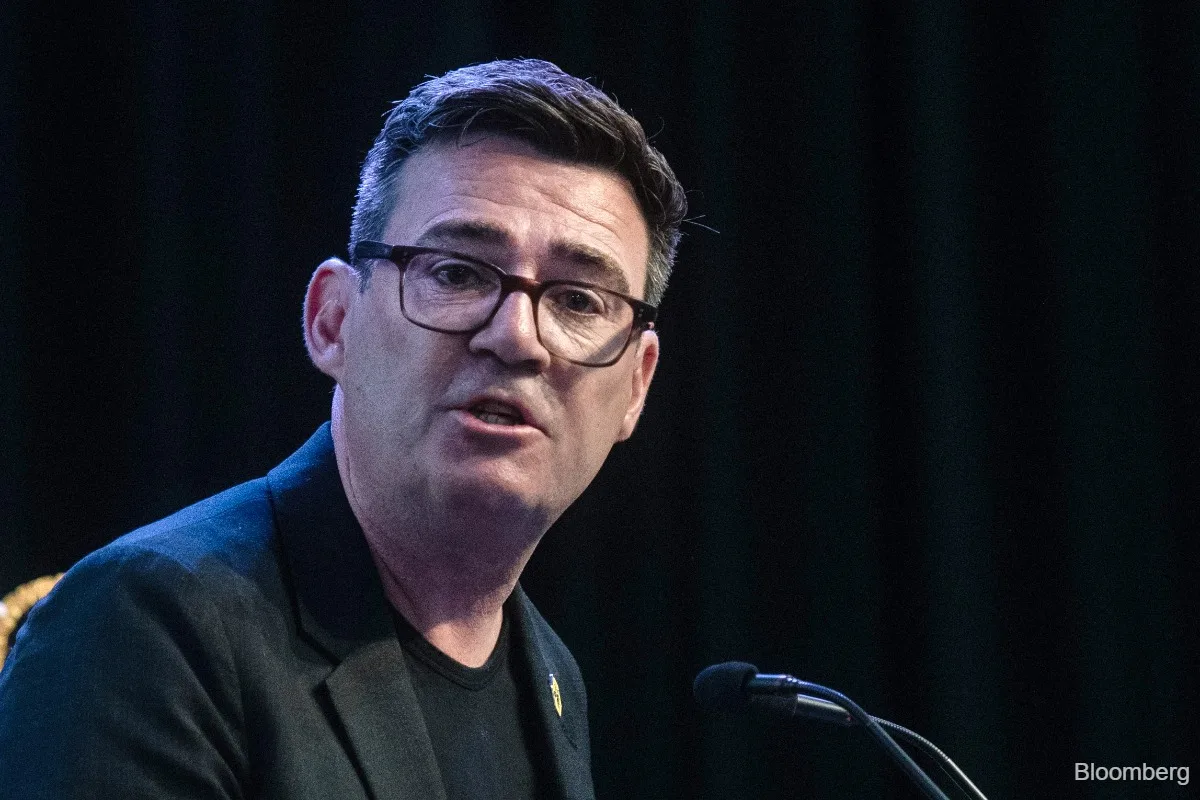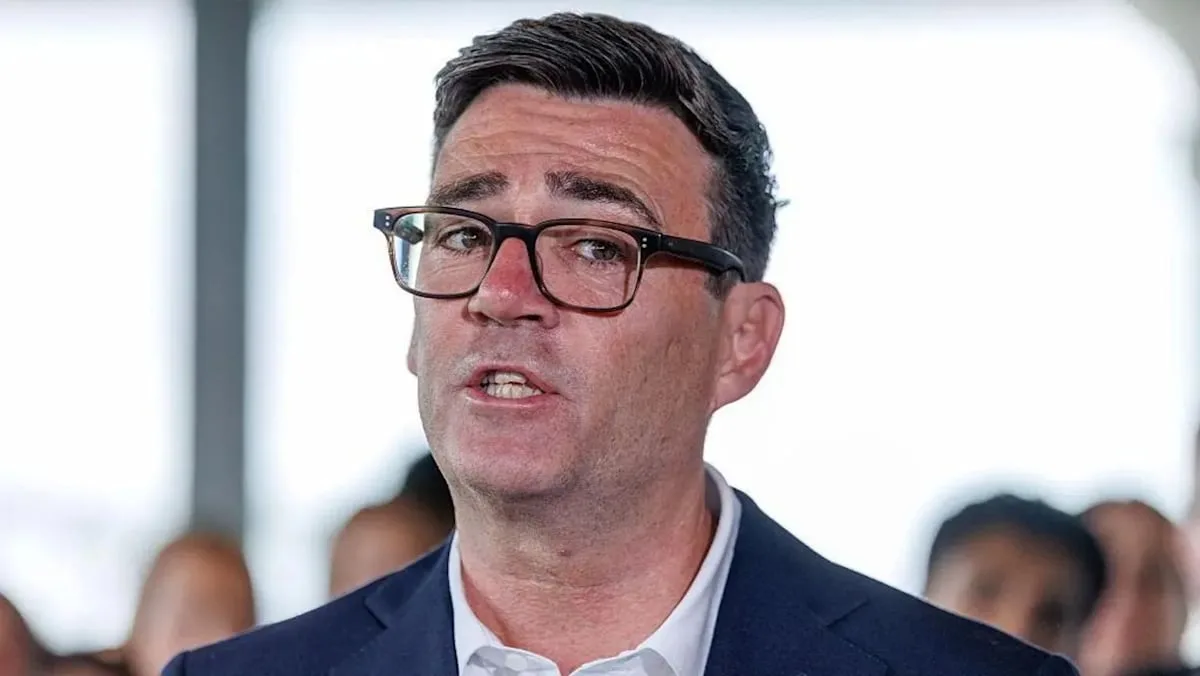
Incoming Prime Minister Andy Burnham announced on July 20, 2026, that he will scrap the nationwide digital ID scheme introduced by outgoing Prime Minister Keir Starmer [1, 2, 3, 4, 5, 6]. The digital ID programme, launched in September 2025 to curb illegal migration, was planned to cost about £600 million annually, or £1.8 billion over three years [7, 1, 3].
The digital ID plan faced strong public opposition in the UK, a country that abolished ID cards after World War II and relies on passports or driving licenses for identification [1, 2, 4, 5, 6]. Over 3 million signatures were collected on a petition opposing the scheme [7].
A spokesperson for Burnham said, “All the time and resource that was going to be spent on a national ID scheme will go instead to where it’s most needed, such as helping with the cost of living” [7]. The spokesperson reiterated the same in Chinese: “所有原本用於國家身分識別計劃的時間和資源,都將轉而用於最需要的地方,例如幫助民眾降低生活成本” [2].
Burnham’s government will redirect funds originally allocated to the digital ID towards pressing social issues and the rising cost of living amid increasing energy and food prices following the Russia-Ukraine war [7, 2, 3, 4, 5, 6]. Despite ending the digital ID programme, the government will continue enforcing mandatory right-to-work checks digitally for employers [2, 3, 4, 5, 6].
The scheme was criticized by opposition politicians. Conservative MP Julia Lopez said, “The Labour Party wasted millions on this scheme and now acts as if it’s there to save the day” [2].
Burnham assumed office on July 20, 2026, inheriting a cost of living crisis and an unpopular legacy from Starmer’s administration [1, 2, 3, 4, 5, 6]. His focus is on boosting the economy and improving living standards in the UK [7, 2, 3, 4, 5, 6].