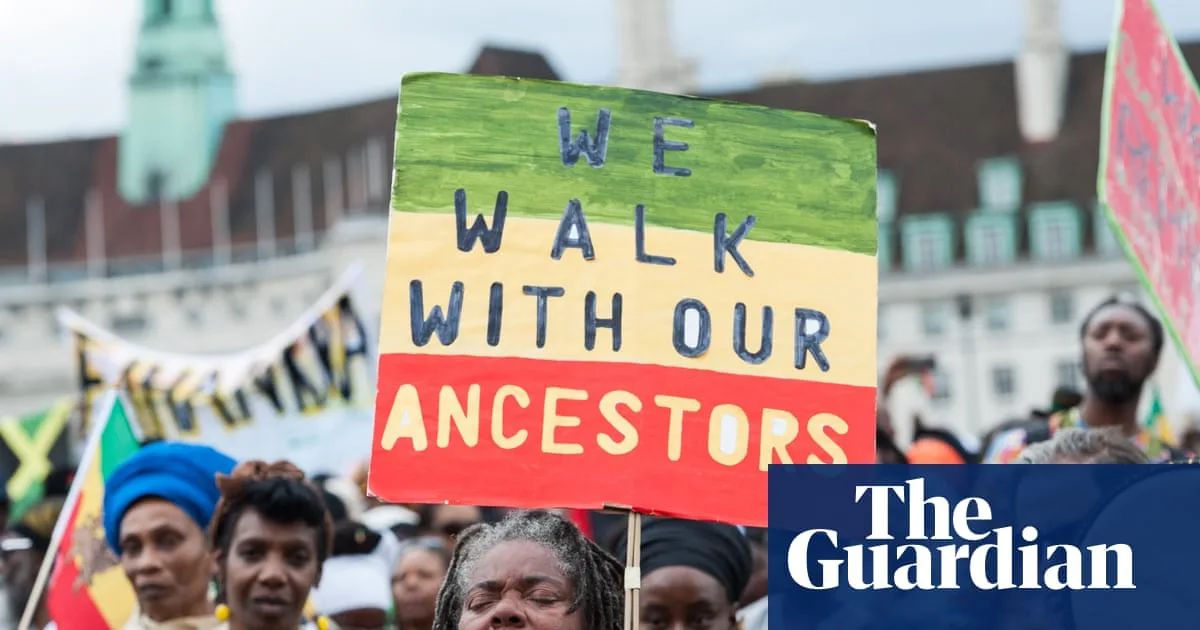
The UN Committee on the Elimination of Racial Discrimination (CERD) published General Recommendation-40 on August 31, 2026, stating that countries are legally required under the 1965 International Convention on the Elimination of All Forms of Racial Discrimination to consider reparations for the transatlantic slave trade and its ongoing effects [1, 2, 3, 4, 5].
The committee, which has 18 independent experts monitoring the convention's implementation, described this as a "paradigm shift" away from debating historical responsibility toward addressing current legal obligations to remedy structural racial inequalities [4, 5]. At least 12.5 million Africans were forcibly uprooted and sold between the 15th and 19th centuries in the largest forced displacement in history [1, 2, 3].
The obligation to provide reparations derives not from laws at the time of the slave trade, but from the post-1965 convention's standards, refuting arguments by some states that slavery was not illegal then and so reparations are not owed [1, 2, 3]. Pela Boker-Wilson, CERD member, said, "States Parties must implement comprehensive reparatory measures for people of African descent, covering all aspects of remedies" including monetary and structural reforms [1]. She added, "We are calling on state parties to take concrete and meaningful action. We want to affirm the dignity of those whose suffering was denied, whose suffering was minimised or forgotten" [2].
The committee emphasized that financial compensation alone is insufficient. Transformative actions such as opening archives, revising memorials, and creating truth commissions are also urged to achieve meaningful remedy [1, 2, 4]. Boker-Wilson called it "a watershed moment" and said, "Confronting historical injustice can not be separated from the fight against present-day racial discrimination" [4].
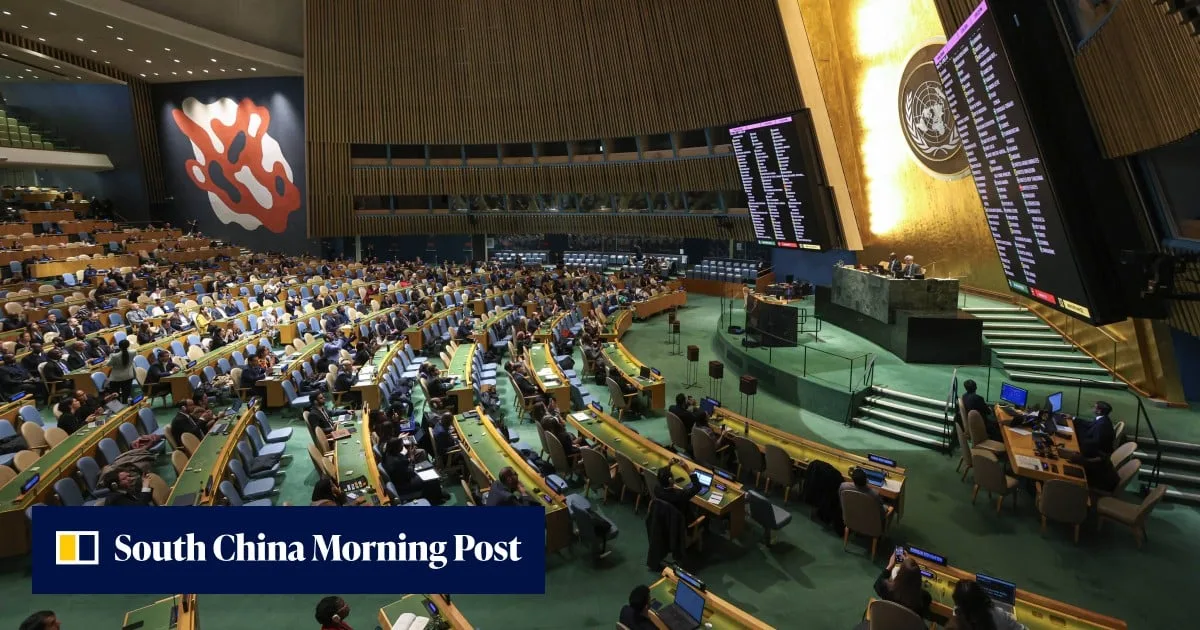
General Recommendation-40 is not legally binding but carries significant authoritative weight and may guide judicial review and related litigation, according to Boker-Wilson [5]. The 1965 convention has 182 state parties. Several countries, including the European Union and Britain, abstained from a March 2026 UN General Assembly resolution recognizing the transatlantic slave trade as a grave crime against humanity [1, 2, 3, 5].